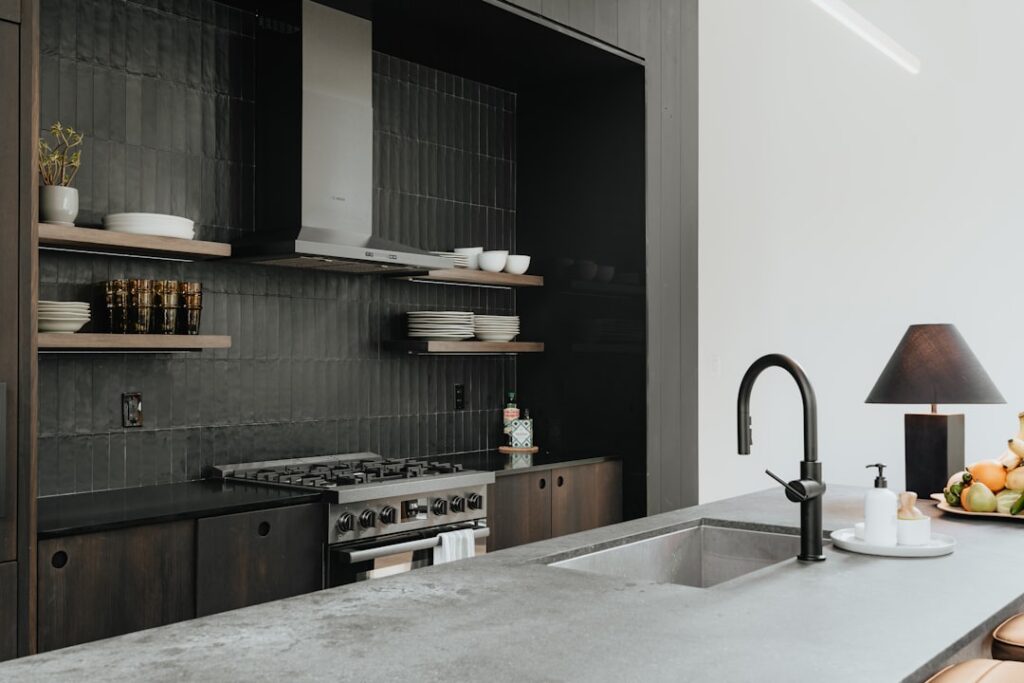
Small hardware makes a big difference, and few upgrades deliver more character per dollar than swapping plain pulls for something with personality. Ceramic knobs bring color, pattern, and a handcrafted feel to cabinets, drawers, and furniture, instantly warming up a kitchen, bathroom, or bedroom. They are one of the easiest weekend projects with an outsized visual payoff.
Part of our Tile & Grout guide — explore the full guide →
This guide covers the styles available, how to size and choose them, what to expect from their durability, and how to install them yourself. Whether you want subtle classic white or bold hand-painted patterns, the right knobs tie a room together.
Why Choose Ceramic Knobs
Ceramic offers a look you simply cannot get from metal or plastic. The glaze gives a smooth, slightly glossy finish that catches light beautifully, and the material lends itself to color, hand-painting, and intricate detail. From crisp farmhouse white to vivid Mediterranean patterns, ceramic spans a remarkable range of moods.
There is also a tactile appeal. Ceramic feels solid and cool to the touch, and quality knobs carry a satisfying weight. Because they are widely produced, they remain affordable, making them a low-risk way to refresh a space without replacing cabinetry or furniture.
Popular Styles and Looks
The category is wide, which is part of the fun. Common directions include:
- Classic white and cream: Timeless and versatile, perfect for farmhouse, cottage, and traditional kitchens.
- Hand-painted and patterned: Florals, geometrics, and Mediterranean or Moroccan motifs that turn hardware into tiny works of art.
- Solid colors: Bold blues, greens, blacks, and pastels for a pop of personality against neutral cabinets.
- Vintage and reproduction: Crackle glazes and antique-inspired shapes for period homes.
- Modern minimalist: Simple rounded or faceted forms in matte or glossy single colors for contemporary spaces.
Mixing a patterned knob with simpler cabinets, or vice versa, usually looks more intentional than pairing busy hardware with busy doors. Let one element be the star.
Sizing and Proportion
Getting the scale right keeps the look balanced. Knob diameter is typically measured across the face, and common residential sizes run from about 1 inch to 1.5 inches. Smaller knobs around 1 inch suit delicate cabinet doors and lighter furniture, while larger 1.25- to 1.5-inch knobs feel proportionate on big drawers and substantial cabinetry.
A simple guideline: match the knob’s visual weight to the piece it lives on. A tiny knob on a large pantry door looks lost; an oversized knob on a slim drawer looks clunky. For very wide drawers, some homeowners use two knobs or pair a knob with a pull for better function and balance.
Knobs vs. Pulls
Knobs and pulls each have a place. Knobs, a single round or shaped grip with one screw, are ideal for cabinet doors and smaller drawers, and they are the simplest to install. Pulls, the bar or handle style with two screws, give you more to grab and tend to feel better on heavy or wide drawers.
Many kitchens combine the two: knobs on the upper and lower doors, pulls on the drawers. Ceramic is most common in knob form, though some lines offer coordinating pulls or ceramic-accented handles if you want a unified look across both.
Durability and Care
Quality ceramic knobs are durable in everyday use, resisting scratches and holding their glazed color well over time. The honest caveat is that ceramic is more brittle than metal, so a hard impact, dropping a knob on a tile floor during installation or banging a drawer into a wall, can chip or crack it. Handle them carefully during the swap and they will serve for years.
Cleaning is easy. A damp cloth with mild soap wipes glazed ceramic clean, and the finish resists fingerprints better than polished metal. Avoid harsh abrasives that could scratch the glaze, and check screws periodically since hardware can loosen with frequent use. In high-traffic kitchens, the occasional snug with a screwdriver keeps everything tight.
How to Install Ceramic Knobs
Installation is genuinely beginner friendly and usually needs only a screwdriver. For replacing existing hardware on pre-drilled cabinets:
- Unscrew the old knob from the inside of the door or drawer and remove it.
- Insert the new screw through the existing hole from the back.
- Thread the ceramic knob onto the screw and hand-tighten, then snug it gently with a screwdriver, being careful not to over-tighten and crack the ceramic.
- Check that the knob sits straight and repeat for the rest.
If you are drilling new holes, measure carefully and use a template or jig so every knob lands in the same spot. Mark with a pencil, drill a pilot hole sized to the screw, and back the door with scrap wood to prevent the bit from blowing out splinters on the far side. Take your time on placement; a row of knobs that are even by a fraction looks far better than ones that drift.
Matching Knobs to Your Space
Think about the whole room, not just the knob. Consider the cabinet color and style, the finish of nearby fixtures like faucets and lighting, and the overall mood you want. White ceramic suits almost anything; bold patterns make a statement and work best when the rest of the palette stays calm.
Coordinate metal accents on the knob’s base or screw, if visible, with your other hardware finishes for a cohesive look. And when in doubt, buy one or two samples first and live with them on a door for a few days before committing to a full set. Lighting and surroundings change how a glaze reads.
The Bottom Line
Ceramic knobs are an affordable, high-impact way to personalize cabinets and furniture, offering a range of looks from understated white to vivid hand-painted art. Choose a size proportional to the piece, handle the brittle material with care, and install with a simple screwdriver and a little patience for placement. With basic cleaning and the occasional tightened screw, a set of well-chosen ceramic knobs will keep a room looking fresh and characterful for years to come.
Prefer to explore on your own?
See how new flooring looks in your actual room in seconds — free, no signup.
Try the free Floor Studio →