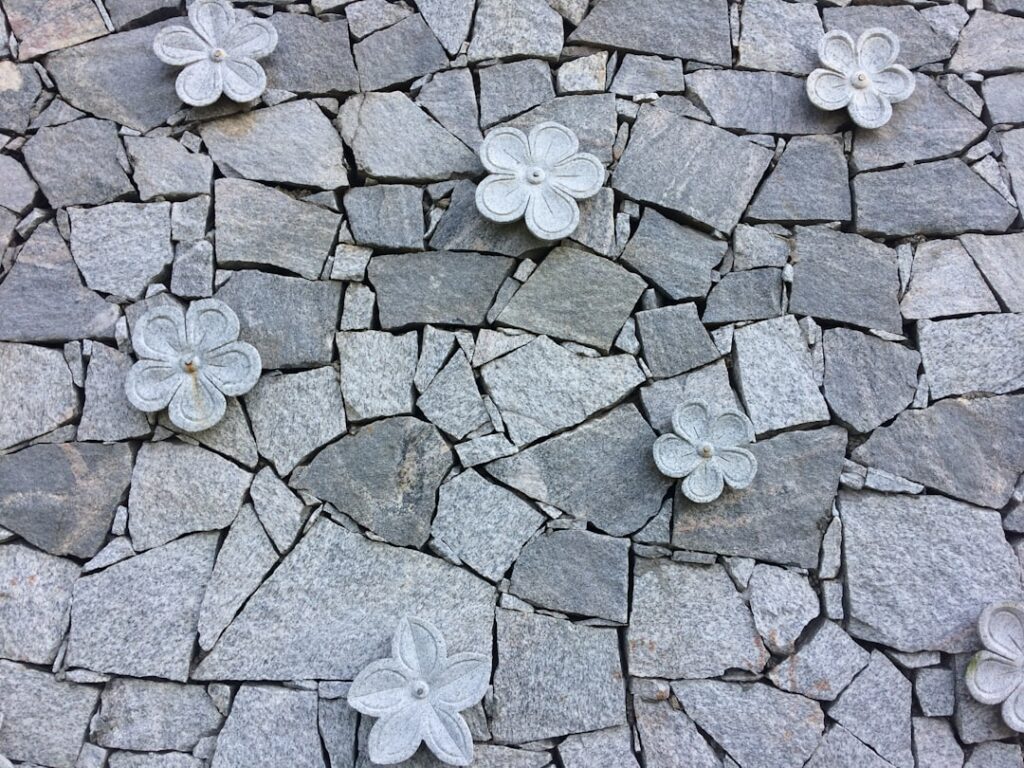
Few materials bring the quiet, organic warmth that real stone does, and limestone leads the category for soft, earthy elegance. Formed over millions of years from compressed marine sediment, natural limestone flooring carries subtle fossil patterns and a muted palette of creams, tans, grays, and warm beiges that designers prize for everything from rustic kitchens to spa-like bathrooms. But limestone is a softer, more porous stone than granite or porcelain, and understanding its care demands is essential before you commit to it underfoot.
What Natural Limestone Flooring Is
Limestone is a sedimentary rock composed mainly of calcium carbonate. That composition gives it a softer, more uniform look than the dramatic veining of marble or the speckle of granite, with gentle color variation and occasional visible fossils that add character. It comes as tiles and large-format slabs, typically in honed (matte), tumbled (rustic, worn-edge), or brushed finishes rather than high polish, since limestone doesn’t take a glossy shine as well as marble.
The stone’s natural tones make it a favorite for creating calm, cohesive spaces. Unlike manufactured tile, no two limestone pieces are identical, so the floor has a depth and authenticity that printed products only imitate.
Durability and Hardness
Here’s the critical tradeoff: limestone is soft. On the Mohs hardness scale it sits around 3 to 4, well below granite (around 6 to 7) and porcelain. That softness means it scratches, scuffs, and etches more easily than harder surfaces, and it dents under heavy point loads. It’s also porous, so it absorbs spills quickly if left unsealed.
None of this makes limestone fragile, just demanding. Well-sealed and maintained, a limestone floor lasts for generations, as countless centuries-old European buildings prove. But it rewards gentle care and punishes neglect faster than a tougher stone would.
Sealing and Maintenance
Sealing is non-negotiable with limestone. Because it’s porous and reacts with acids, an unsealed floor stains from spilled wine, juice, or oil and etches from anything acidic, including lemon, vinegar, and many common cleaners. Apply a quality penetrating stone sealer at installation, and reseal every one to three years depending on traffic and finish.
For daily care, sweep or dust-mop regularly to remove grit that scratches the surface, and clean only with a pH-neutral stone cleaner. Never use vinegar, bleach, or acidic bathroom cleaners; they will dull and etch the stone. Wipe spills promptly, and use felt pads under furniture to prevent scratches.
Finishes and Where Limestone Works Best
Finish choice shapes both look and practicality:
- Honed: a smooth matte surface, the most common choice, elegant and hides etching better than polish.
- Tumbled: softened, rounded edges and a rustic, worn texture that disguises wear well, popular for old-world and Mediterranean styles.
- Brushed: a textured matte finish with good slip resistance, suited to wet areas.
Limestone shines in bathrooms, entryways, living rooms, and low-traffic kitchens where its warmth elevates the space. Be cautious in heavy-traffic kitchens prone to acidic spills and in busy entries where grit and scratching accelerate wear. Tumbled or textured finishes are best for areas that get wet.
Cost Per Square Foot
Limestone material typically runs $4 to $12 per square foot, with premium and large-format slabs reaching higher. Installed, expect roughly $10 to $20 per square foot once you add skilled labor, since natural stone demands careful setting, sealing, and grouting. Sealing materials and periodic resealing add modest ongoing cost.
The price sits below high-end marble but above ceramic tile and most vinyl. For the authentic natural-stone look, it’s a mid-to-upper-tier investment, and the labor premium reflects the care stone installation requires.
Pros and Cons
The appeal is genuine. Limestone offers timeless natural beauty, warm earthy tones, one-of-a-kind variation, and a cool, comfortable surface in warm climates. Properly cared for, it lasts generations and adds a sense of quality to a home.
The drawbacks demand honesty. It’s soft and prone to scratching and etching, porous and stain-prone without diligent sealing, sensitive to acidic spills and cleaners, and harder and colder underfoot than wood or vinyl. If you want a low-maintenance, worry-free floor, limestone isn’t it. But if you love authentic stone and will commit to sealing and gentle care, natural limestone flooring delivers a beauty that engineered products simply can’t match.
Limestone vs. Other Natural Stones
It helps to position limestone against the stones it competes with. Compared to marble, limestone is generally less expensive, more uniform in color, and lacks marble’s dramatic veining, though both are calcium-based and equally prone to etching from acids. Compared to travertine, limestone is denser and smoother, while travertine has characteristic pitted holes that are often filled; the two share a similar warm, earthy aesthetic.
Against granite and porcelain, limestone trades durability for character. Granite is far harder, stain-resistant once sealed, and nearly impervious to etching, making it the practical choice for heavy kitchens, but it can’t match limestone’s soft, organic warmth. Porcelain tile can convincingly mimic the limestone look at a lower price and with far less maintenance, which is the honest alternative for buyers who love the appearance but not the upkeep. Choosing real limestone means choosing authenticity over convenience.
Installation Considerations
Limestone is a job for an experienced stone installer, not a weekend project. The stone is heavy, and the subfloor must be rigid and properly prepared, often with a cement backer board or a decoupling membrane, because any flex in the floor can crack the tiles or the grout over time. Pieces should be dry-laid first to blend the natural color variation across the room, since pulling from multiple boxes prevents an unintended patch of all-light or all-dark stone.
Seal the limestone before grouting to keep grout haze from staining the porous surface, then seal again after installation. Use a narrow, color-matched grout line to suit the stone’s understated look, and choose a flexible, high-quality setting mortar rated for natural stone. Done correctly, the install is what unlocks limestone’s centuries-long lifespan; rushed or under-prepared, it’s where premature cracking begins. Budget for a skilled stone setter and the proper substrate, because the labor and prep are every bit as important as the stone itself when it comes to a floor that lasts.
Prefer to explore on your own?
See how new flooring looks in your actual room in seconds — free, no signup.
Try the free Floor Studio →