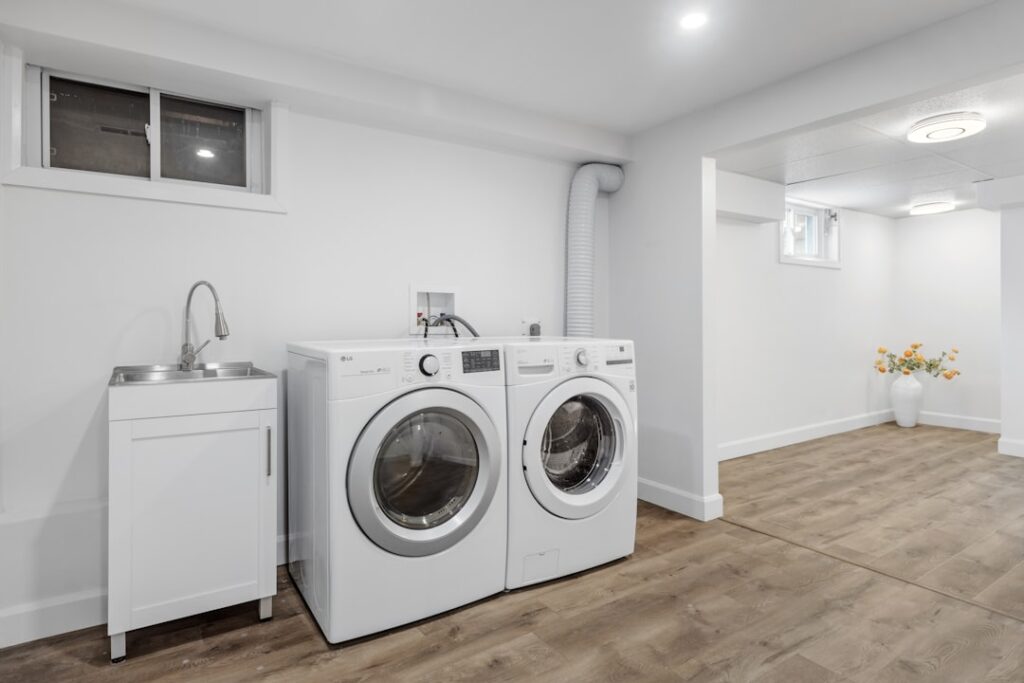
A washing machine hose failure can dump 500 gallons of water on your floor in under an hour, which is exactly why laundry room floor tile needs to be genuinely waterproof, not just water-resistant. The laundry room is one of the most demanding spaces in the house: it deals with standing water, detergent spills, heavy appliances, and constant humidity, all in a small footprint. The floor you choose has to shrug off all of it while staying safe underfoot.
Tile is the standard answer because the best options are completely waterproof, easy to clean, and tough enough to bear a loaded washer and dryer. But not all tile is equal for this room. Here is how to pick the right material, finish, and installation for a laundry floor that lasts.
What a Laundry Floor Has to Withstand
Understand the demands before you shop. The laundry room faces water from spills, leaks, and the occasional catastrophic hose burst, so waterproof is non-negotiable. It handles the concentrated weight of appliances, a full front-loader can weigh over 200 pounds and vibrates during spin cycles, so the floor must resist cracking and movement. Detergent, bleach, and fabric softener spills demand a surface that resists staining and chemical damage.
Humidity is constant from warm, damp laundry, so the floor should not warp or harbor mold. And because you often step in wet-footed or with damp clothes, slip resistance matters for safety. The ideal laundry floor tile checks all of these boxes at once.
Porcelain Tile: The Top Choice
Porcelain is the gold standard for laundry rooms, and for good reason. Fired at higher temperatures than ceramic, it is denser, harder, and has an extremely low water absorption rate, under 0.5 percent, which makes it effectively waterproof throughout its body, not just the surface. It handles appliance weight without cracking and resists stains from detergents and bleach.
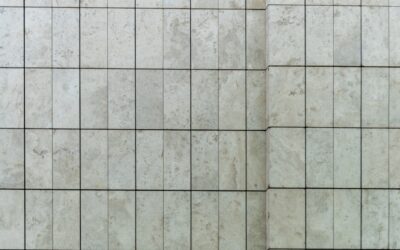
Porcelain runs roughly $3 to $10 per square foot for the tile, plus installation. It comes in endless looks, including convincing wood-look and stone-look planks and large-format squares, so you never have to sacrifice style for durability. For a laundry room you want to install once and forget, through-body porcelain is the most reliable pick on the market.
Ceramic Tile: The Budget-Friendly Option
Ceramic is the more affordable cousin, typically $1 to $6 per square foot. Glazed ceramic has a waterproof surface glaze that handles laundry-room moisture well, though its body absorbs more water than porcelain, so it is slightly less bulletproof against a major flood. For most laundry rooms with normal use, glazed ceramic performs perfectly well.
The main tradeoffs are hardness and durability under heavy load. Ceramic is softer than porcelain and can chip or crack more easily under a dropped tool or a heavy appliance shifting during a spin cycle. Choose a quality glazed ceramic with a solid PEI wear rating of 3 or higher, and it makes a cost-effective, attractive laundry floor for a modest budget.
Luxury Vinyl Tile: Warm and Forgiving
Luxury vinyl tile, or LVT, deserves a place in the conversation. Waterproof rigid-core vinyl handles laundry-room moisture completely and is warmer and softer underfoot than porcelain or ceramic, which is pleasant on cold mornings. It runs $2 to $5 per square foot and installs quickly, often as a floating click-lock floor, making it a strong DIY option.
Vinyl is also more forgiving of dropped items and quieter under a vibrating appliance. The tradeoff is that heavy appliances can dent softer vinyl over time, and it does not carry the premium, permanent feel of porcelain. For a laundry room where comfort and easy installation matter and the budget is moderate, LVT is a smart, waterproof alternative to hard tile.
Slip Resistance and Safety
Wet floors and smooth tile are a bad combination, so finish matters as much as material. Look for tile with a higher slip-resistance rating, expressed as a coefficient of friction, ideally a DCOF value of 0.42 or higher, which is the standard for wet areas. Textured, matte, and honed finishes grip better than glossy, polished surfaces.
- Choose matte or textured finishes over high-gloss for wet-area safety.
- Smaller tiles with more grout lines add traction underfoot, useful in a room that gets wet often.
- Consider slip-resistant porcelain rated for commercial wet areas if safety is a top priority.
- Add a washable mat in front of the appliances for extra grip and comfort.
Grout, Sealing, and Waterproofing Details
The tile itself is often waterproof, but the grout lines are the weak point. Standard cement grout is porous and will absorb water and stains over time in a wet laundry room. Use an epoxy grout or a high-quality stain-resistant grout, and seal cement grout thoroughly if you go that route. Epoxy grout costs more and is trickier to work with, but it is truly waterproof and stain-proof, ideal for this room.
For serious protection against appliance floods, consider a waterproof membrane under the tile, especially on an upper-floor laundry where a leak would damage the ceiling below. Some homeowners also install a drain pan under the washer and a floor drain as backup. These details cost little during installation and save thousands if a hose ever bursts.
Installation Considerations
A laundry floor demands a solid, level base. Over a concrete slab, tile installs directly with thinset. Over a wood subfloor, add a cement backer board or an uncoupling membrane to prevent cracking from the movement and vibration of appliances. The subfloor must be stiff enough that it does not flex, since flexing cracks tile and grout.
- Ensure the subfloor is flat, clean, and rigid before starting.
- Install backer board or an uncoupling membrane over wood subfloors.
- Set tile in thinset with proper spacers for even grout lines.
- Use waterproof or well-sealed grout and let everything cure fully before rolling appliances back in.
Choosing the Right Tile for Your Laundry Room
For the most durable, waterproof, and permanent floor, porcelain tile is the clear winner and worth the extra cost. If budget is tight, quality glazed ceramic delivers most of the benefit for less. If you value warmth, comfort, and easy DIY installation over ultimate hardness, waterproof luxury vinyl tile is an excellent choice.
Whatever material you pick, prioritize a slip-resistant finish, waterproof grout, and a stiff, level subfloor. Get those fundamentals right and your laundry room floor tile will handle spills, floods, heavy appliances, and years of humidity without complaint, keeping one of the hardest-working rooms in the house both safe and good-looking.
Prefer to explore on your own?
See how new flooring looks in your actual room in seconds — free, no signup.
Try the free Floor Studio →