Quarried from ancient volcanic flows and often finished with a brilliant glazed enamel, lava stone tile is one of the most distinctive and durable surfaces you can bring into a home. The base material, technically a basalt-family volcanic rock, is extraordinarily dense and heat-resistant, which is why the enameled version has been used for centuries on everything from Parisian street signs to luxury kitchen countertops. Today homeowners use it for countertops, backsplashes, feature walls, fireplace surrounds, and flooring where they want a surface that combines natural stone toughness with vivid, glass-like color. This guide covers what lava stone tile actually is, its two main forms, the pros and cons, typical costs, and how to care for it.
What Lava Stone Tile Is
Lava stone begins as basalt, a fine-grained volcanic rock formed when lava cools. It is naturally hard, dense, and remarkably resistant to heat and thermal shock, having literally been forged by fire. In tile form it appears in two very different guises, and understanding the difference is key to knowing what you are buying.
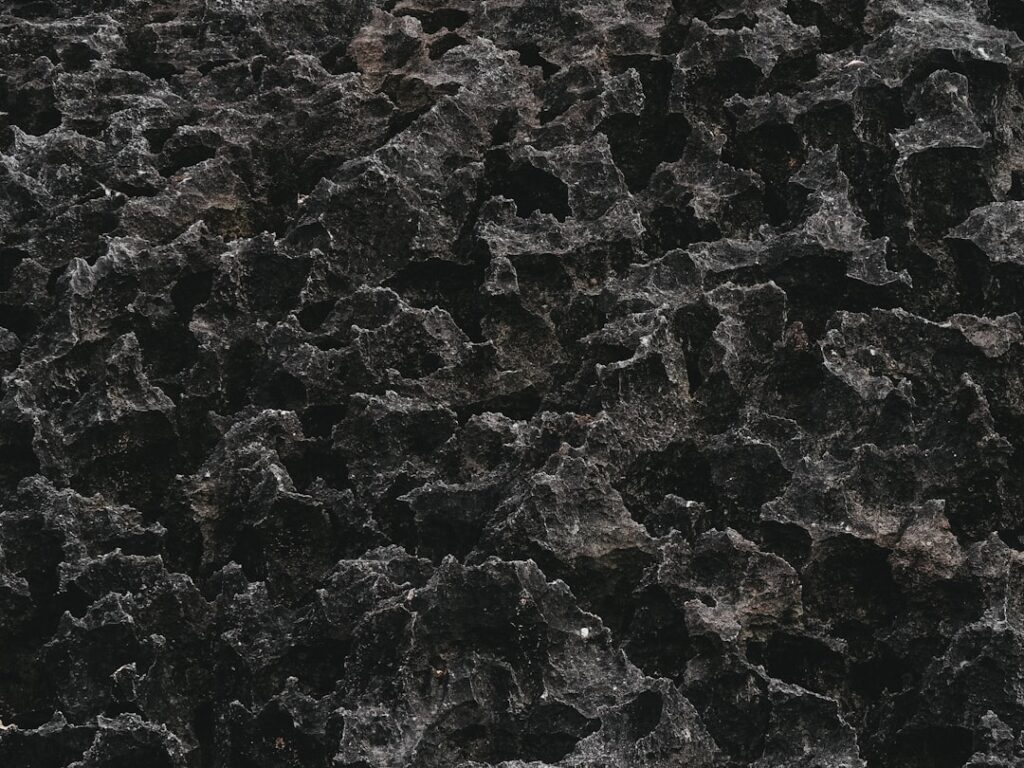
The first is natural, unglazed lava stone, which shows the raw grey-to-charcoal color and the characteristic small pores and pits of volcanic rock. The second, and the reason many people seek it out, is enameled lava stone: the raw stone is coated with a ceramic glaze and fired at extremely high temperatures, fusing a glossy, colorful, glass-like enamel to the stone surface. This is the famous glazed lava you see in saturated blues, yellows, greens, and other bold hues, most recognizable from French street signage and high-end kitchens.
Enameled vs. Natural Lava Stone
The two forms serve different purposes, so choose based on the look and performance you want.
- Enameled lava stone: The glaze makes it non-porous, stain-resistant, and easy to clean, plus it delivers those signature vibrant colors and a crackle-glaze depth. Ideal for countertops, backsplashes, and statement surfaces where color and low maintenance matter.
- Natural lava stone: Retains a raw, matte, organic look with visible pores. It is more porous and needs sealing, but it offers an earthy, tactile surface suited to rustic floors, outdoor use, and fireplace surrounds.
Because the enameled version fuses a glass surface to volcanic rock, it combines the durability of stone with the cleanability of glazed ceramic, which is a rare and appealing pairing.
Where to Use Lava Stone Tile
Lava stone’s heat resistance and toughness make it suitable for demanding locations that would damage softer materials. Enameled lava is a favorite for kitchen countertops precisely because you can set a hot pan directly on it without scorching, etching, or cracking, something you cannot do safely on many other surfaces.
Beyond counters, it makes a striking backsplash, a durable bathroom vanity top, a dramatic fireplace surround that shrugs off heat, and a bold feature wall. The natural, unglazed form works outdoors on patios and pool surrounds since it is freeze-thaw stable and slip-resistant when textured. On floors, both forms hold up to heavy traffic, though the glossy enameled version can be slippery when wet and is better suited to walls and counters than wet floors.
Pros of Lava Stone Tile
The material’s advantages are genuine and specific. It is exceptionally heat-resistant, tolerating direct contact with hot cookware without damage, which sets it apart from quartz, laminate, and many stones. It is extremely durable and scratch-resistant thanks to the density of volcanic rock. The enameled surface is non-porous, so it resists stains, bacteria, and moisture and wipes clean easily.
Aesthetically, few materials match its impact. The glazed colors are deep and luminous, and the subtle crackle in the enamel gives each tile a hand-crafted, one-of-a-kind character. It is also UV-stable, so colors will not fade outdoors, and the raw stone is frost-proof, giving it real versatility across indoor and outdoor projects.
Cons and Considerations
The main drawback is cost. Enameled lava stone is a premium material, often priced well above ceramic, porcelain, and even many natural stones, because it is quarried, cut, glazed, and fired in a labor-intensive process. Availability is also limited, as much of it is imported, and lead times can be long for custom colors and countertop slabs.
The stone is heavy and dense, which makes cutting and installation a job for an experienced professional with proper tooling, adding to labor cost. Natural, unglazed lava is porous and must be sealed to prevent staining, and its pitted surface can trap debris. On floors, the glossy enamel can be slick when wet. None of these are dealbreakers, but they mean lava stone is usually chosen for feature areas rather than whole-home installation on a tight budget.
What Lava Stone Tile Costs
Pricing reflects its premium status. Enameled lava stone tiles and countertop material typically run from roughly $60 to well over $150 per square foot for the material alone, with custom-glazed countertop slabs reaching the higher end. Natural, unglazed lava tile is less expensive but still sits above standard ceramic. Installation adds labor for cutting and setting this dense, heavy stone, so a professional install is money well spent.
Because of the price, most homeowners use lava stone strategically, on a countertop, a backsplash, or a fireplace, where its color and durability make the biggest impression, rather than tiling an entire floor. Used this way, it delivers standout impact without an overwhelming budget.
Caring for Lava Stone Tile
Maintenance depends on the finish. Enameled lava is wonderfully low-maintenance: wipe it with mild soap and water, and its non-porous glaze resists stains and heat without sealing. Avoid harsh abrasive scrubbers that could dull the glaze over many years, but otherwise it needs little fuss and will not etch from acidic foods the way marble does.
Natural, unglazed lava requires sealing with a penetrating stone sealer after installation and periodically thereafter to guard against stains and moisture. Clean it with pH-neutral stone cleaners rather than acids. With the enameled version’s glass-hard surface, expect a countertop or backsplash to look new for decades with only routine wiping. That combination of near-indestructible durability, bold color, and easy care is exactly why lava stone tile remains a coveted choice for homeowners who want a surface with genuine character and staying power.
Design Ideas for Lava Stone
Because lava stone is so distinctive and premium, using it thoughtfully maximizes its impact. In a kitchen, a single enameled lava island countertop in a saturated blue or green becomes the room’s focal point while quartz or butcher block handles the perimeter runs, giving you the heat-proof luxury surface exactly where you set down hot pans. A lava stone backsplash behind a range delivers color and a wipeable, heat-tolerant surface in one stroke.
In bathrooms, a lava vanity top or a small run of enameled lava tile as a shower accent band adds jewel-like color that holds up to moisture. For fireplaces, the raw or enameled stone makes a surround that genuinely shrugs off heat while looking striking. The crackle glaze pairs beautifully with warm metals like brass and copper, and the bold colors work best against simple, neutral cabinetry and walls that let the stone shine. Used as a considered accent rather than an all-over finish, lava stone brings personality to a space that few other materials can match, and it does so while withstanding the daily abuse that would ruin softer surfaces.
Prefer to explore on your own?
See how new flooring looks in your actual room in seconds — free, no signup.
Try the free Floor Studio →