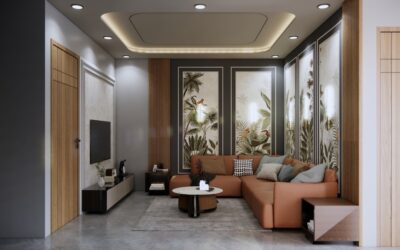
A light green rug brings a fresh, calming color into a room without overwhelming it, which is exactly why soft greens have become a decorating favorite. Shades like sage, mint, and seafoam read as soothing and natural, tying interior spaces to the outdoors and pairing beautifully with neutrals, woods, and metallics. Whether you want a serene bedroom, a bright living room, or a touch of color in an entryway, a light green rug is a flexible, on-trend choice. This guide covers shades, materials, sizes, and styling.
Why Light Green Works So Well
Green sits at the center of the color wheel, which makes it one of the most balanced and easy-to-live-with colors. Light, muted greens in particular feel restful and biophilic, evoking new leaves, herbs, and sea glass. Designers love them because they act almost like a neutral: a sage rug grounds a room with subtle color while still letting you change your throw pillows and art freely. The soft tone also keeps a room feeling open and airy rather than dark or heavy.
Popular Shades of Light Green
Not all light greens are the same, and the undertone changes the whole feel of the room.
- Sage: A gray-green that is muted and sophisticated, leaning earthy and timeless.
- Mint: A cooler, fresher green with a slight blue undertone, bright and youthful.
- Seafoam: A pale green-blue that pairs naturally with coastal and beachy decor.
- Pistachio or celadon: Soft, warm greens that bring a vintage, calming touch.
Bring home a swatch or order a sample, because greens shift dramatically under different lighting. A shade that looks sage in the store can read minty in north-facing daylight.
How to Style a Light Green Rug
The beauty of light green is how many palettes it complements.
- With neutrals: White, cream, beige, and greige walls let the rug shine while keeping the room calm.
- With wood: Warm oak and walnut floors and furniture play off green’s natural roots beautifully.
- With pink or blush: Soft pink accents create a gentle, garden-fresh contrast.
- With navy or charcoal: A deeper accent color grounds the lightness for a more sophisticated look.
- With gold or brass: Metallic accents add warmth and a touch of glamour.
Pull the rug’s green into the room with a few pillows or a plant or two, but do not overdo it; the rug works best as the gentle anchor.
Choosing the Right Material
Material affects how the color reads and how the rug wears. Wool is soft, durable, and naturally stain-resistant, holding dyed colors richly for years. Synthetic fibers like polypropylene and polyester are budget-friendly, fade-resistant, and easy to clean, which matters for a light color in a busy room. Natural fibers such as jute or a wool-jute blend add texture and a casual feel. For high-traffic areas, a low-pile synthetic or wool blend cleans up best.
Sizing Your Rug
Get the scale right so the rug grounds the furniture. In a living room, aim for a rug large enough that at least the front legs of your seating rest on it. Under a dining table, the rug should extend about 24 inches beyond the table edge so chairs stay on it. In a bedroom, a large rug under the lower two-thirds of the bed frames the space, or use runners on either side. Common sizes are 5×8, 8×10, and 9×12 feet.
Caring for a Light-Colored Rug
Lighter rugs show dirt more readily, so regular care keeps yours looking fresh. Vacuum weekly to lift dust before it settles into the fibers, and rotate the rug periodically so foot traffic and sun fade it evenly. Blot spills immediately with a clean cloth rather than rubbing, and treat stains promptly with a mild cleaner suited to the fiber. A rug pad underneath adds cushion, prevents slipping, and reduces wear.
Best Rooms for a Light Green Rug
Light green suits almost any room, but it shines in a few in particular. In a bedroom, a sage or seafoam rug creates a restful, spa-like calm that helps you unwind. In a living room, it adds a fresh focal point without the visual weight of a dark or bold color, keeping the space bright. Home offices benefit from green’s reputation as a calming, focus-friendly color, and entryways get a welcoming pop that hides traffic better than a pure white rug.
Green also works beautifully in sunrooms and reading nooks, where it amplifies the connection to plants and the outdoors. If you love houseplants, a green rug ties the whole biophilic look together. In a nursery or child’s room, a soft mint or pistachio rug reads gentle and gender-neutral.
Trends and Timeless Appeal
Soft greens have surged in popularity as homeowners embrace nature-inspired, biophilic design, and sage in particular has become a go-to neutral in modern interiors. Unlike a bold trend color that can feel dated quickly, muted greens have a timeless quality because they echo the natural world. That makes a light green rug a relatively safe long-term choice rather than a fad you will tire of in a year.
To keep the look current, pair the rug with natural materials like rattan, wood, and linen, and add organic shapes and plenty of greenery. If trends shift, you can refresh the room simply by swapping accent colors in your pillows and art while the calm green rug anchors the space. That flexibility is a big part of why designers reach for soft green again and again.
Pile Height and Texture Choices
Beyond color, the pile and texture of a light green rug change how it feels and performs. A low-pile flatweave is easy to clean, lies flat under furniture, and suits high-traffic rooms and dining areas. A medium or high pile feels plush and cozy underfoot, ideal for bedrooms and living rooms where comfort matters most. A shag or tufted green rug adds dramatic softness but traps more dust and needs more frequent vacuuming.
Texture also affects how the green reads. A cut-pile rug shows a smooth, even color, while a looped or high-low textured rug creates subtle shadows and depth that make a sage or seafoam tone look richer. Consider where the rug goes and how much foot traffic it sees, then balance the comfort you want against the upkeep you are willing to do.
Cost and Final Thoughts
Light green rugs span every budget. Small synthetic rugs start around $40 to $80, mid-size 8×10 rugs commonly run $100 to $300, and quality wool pieces can reach $500 or more. For most rooms, a well-made synthetic or wool-blend rug in the $100 to $300 range balances looks, durability, and easy care. Pick the right shade for your light, match the material to the traffic, and a light green rug will keep your space feeling fresh and calm for years.