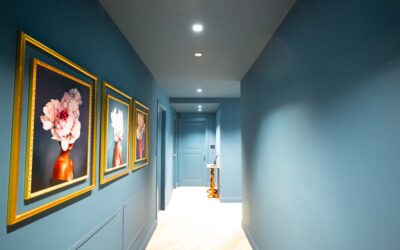
If a room feels like a cave no matter how many lamps you add, your wall color and finish are working against you. Choosing light reflecting paint for dark rooms is the cheapest, fastest way to make a space feel brighter, and it comes down to two things: the lightness of the color and the sheen of the finish. There’s no magic paint that creates light, but the right combination bounces every available beam around the room instead of swallowing it.
Part of our Paint & Walls guide — explore the full guide →
How Paint Actually Reflects Light
Every paint color has a light reflectance value, or LRV, measured from 0 (absolute black, absorbs all light) to 100 (pure white, reflects all light). The higher the LRV, the more daylight and lamplight the wall throws back into the room. Dark colors with low LRVs absorb light and make a space feel smaller and dimmer, while colors in the 70s and 80s noticeably amplify whatever light you have. For a genuinely dark room, aim for paint with an LRV of 70 or higher.
The Best Colors for Brightening a Dark Room
Bright doesn’t have to mean stark white, though clean whites do reflect the most. Soft, light-toned colors keep a room feeling warm and livable while still bouncing plenty of light.
- Warm whites and creams reflect strongly without the cold, clinical feel of bright white, ideal for north-facing rooms that get cool blue light.
- Soft grays with warm undertones (“greige”) stay light and reflective while hiding scuffs better than pure white.
- Pale yellows and butter tones mimic sunlight and warm up a dim space.
- Light blues and soft greens reflect well and feel airy, good for rooms that still get some natural light.
- Barely-there pastels add a hint of color while keeping the LRV high.
One honest caveat: a dark room with little or no natural light will always read slightly muted compared to a sunny room with the same paint. Light paint maximizes what you have, but it can’t manufacture sunshine.
Sheen Matters as Much as Color
This is the part homeowners overlook. The same color in a flat finish absorbs light, while in a higher sheen it reflects it. Glossier finishes have a smoother surface that bounces light like a mirror.
- Flat/matte: Hides imperfections but absorbs light. Avoid in a room you’re trying to brighten.
- Eggshell: A slight sheen that reflects more light than flat while still looking soft. A great everyday choice for living areas.
- Satin: More reflective and durable, excellent for dark hallways, kitchens, and bathrooms.
- Semi-gloss/gloss: The most reflective, ideal for trim, doors, and ceilings to bounce light further. Often too shiny for large wall expanses.
For most dark rooms, an eggshell or satin in a high-LRV color is the sweet spot: bright and reflective without showing every wall flaw the way full gloss does.
Don’t Forget the Ceiling and Trim
The ceiling is your secret weapon. A bright white ceiling in a satin or even semi-gloss finish reflects light back down into the room and makes the space feel taller. Paint trim, baseboards, and doors in a clean white with a satin or semi-gloss sheen so they catch and throw light too. The contrast of bright trim against light walls also makes the whole room feel crisper and more open.
Maximize the Effect Beyond Paint
Paint does the heavy lifting, but a few companion moves compound the result. Hang a large mirror opposite a window or lamp to double the light it reflects. Choose light-colored, reflective flooring or a pale rug, since a dark floor absorbs the light your bright walls are working to spread. Keep window treatments sheer or light so they don’t block precious daylight. Add layered lighting at multiple heights to give all that reflective paint something to work with after dark.
Putting It All Together
- Pick a wall color with an LRV of 70 or higher, leaning warm if the room gets cool or no natural light.
- Choose eggshell or satin sheen for the walls, never flat.
- Paint the ceiling bright white in satin to bounce light downward.
- Use satin or semi-gloss white on trim and doors.
- Add mirrors, light flooring, and layered lighting to amplify the effect.
Understanding Undertones in a Dark Room
A color’s undertone matters even more in a low-light room, because dim conditions exaggerate cool casts and can make a “white” look gray or even blue. North-facing rooms receive cool, bluish light and benefit from warm whites and creams that counteract that chill. South-facing rooms get warm light and can carry cooler whites or pale grays without feeling cold. Always test paint in the actual room before committing. Paint a two-foot swatch on the wall and watch it across the day, morning, midday, and under your lamps at night. A color that looks bright and clean on the store chip can fall flat in your specific lighting, so this single step saves you from repainting.
Avoid These Common Mistakes
- Reaching for stark bright white everywhere. In a dark room, pure cool white can read gray and lifeless. A warm white often looks brighter.
- Using flat paint to hide flaws. Flat absorbs the very light you’re trying to spread; choose eggshell or satin instead.
- Forgetting the fifth wall. A dingy or colored ceiling drags the whole room down. Keep it bright white and slightly glossy.
- Pairing light walls with a dark floor and heavy curtains, which soak up the light your walls are reflecting.
- Skipping the in-room test, the mistake that leads to the most disappointing results.
The Honest Bottom Line
The best light reflecting paint for dark rooms is a high-LRV, light color in an eggshell or satin finish, paired with a bright ceiling and reflective trim. This combination genuinely transforms a dim space, often making it look like a different room. Just keep expectations grounded: paint amplifies existing light beautifully, but a truly windowless room will still need good artificial lighting to feel its brightest. Done right, the effort costs a couple hundred dollars and pays off every single day.