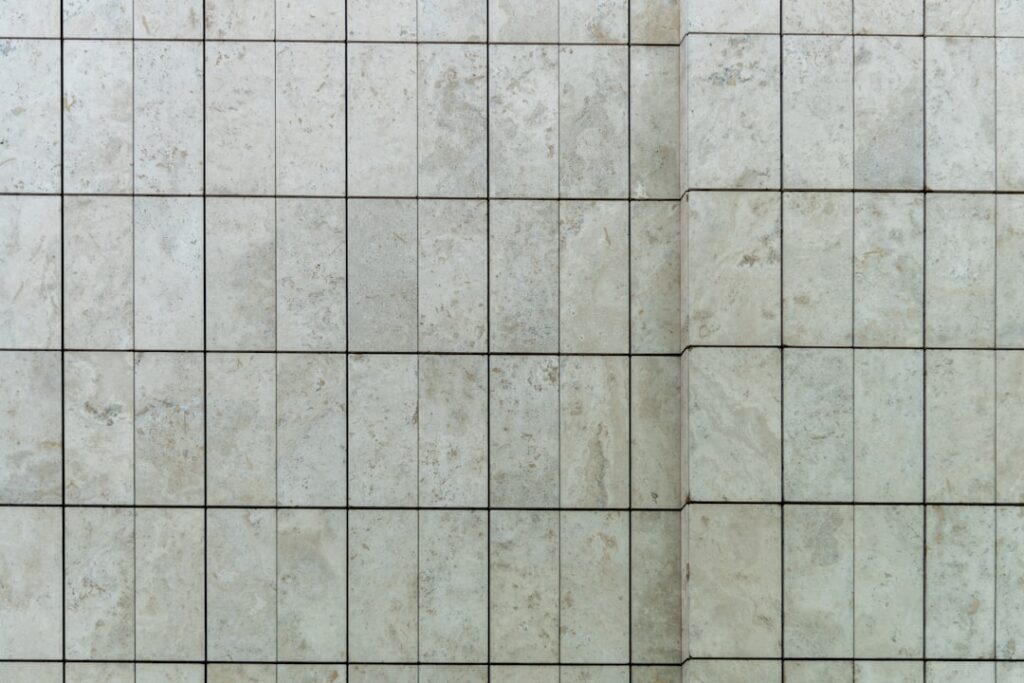
Limestone has been a flooring choice in European villas, Jerusalem courtyards, and high-end American homes for centuries because it ages gracefully — gaining warmth and patina rather than wearing out. Limestone flooring tiles deliver soft, even color and a refined matte texture that engineered look-alikes can’t quite match. The trade-off is real: limestone is porous, soft compared to granite, and demands proper sealing to thrive in modern homes. After installing limestone in foyers, formal dining rooms, and master baths, here’s the unvarnished guide to where it works and where it doesn’t.
- What Limestone Actually Is
- Common Limestone Varieties
- Pros of Limestone Flooring Tiles
- Cons and Real Limitations
- Where Limestone Works Best
- Formal Foyers and Entries
- Master Bathrooms
- Living and Dining Rooms
- Mediterranean and Provence-Style Kitchens
- Sun Rooms and Conservatories
- Where to Avoid Limestone
- Finish Options
- Sealing: The Non-Negotiable Step
- Daily and Weekly Cleaning
- Cost Breakdown
- Installation Considerations
- Repairing Etched or Scratched Limestone
- Final Word
What Limestone Actually Is
Limestone is sedimentary rock formed from compressed shell, coral, and calcium carbonate over millions of years. It’s a calcium-based stone — chemically related to marble and travertine — meaning it shares the same vulnerability to acidic substances. Vinegar, lemon juice, tomato, and red wine all etch limestone if not cleaned promptly.
Hardness rating sits at Mohs 3-4, softer than granite (6-7) and quartzite (7) but in the same range as marble. The stone takes a honed (matte) or brushed finish naturally; polished limestone exists but is less common because the soft surface dulls quickly under foot traffic.
Common Limestone Varieties
Limestone is quarried worldwide, and origin affects color, density, and cost.
- Jerusalem Stone: warm gold, beige, and cream from Israeli and Palestinian quarries. Iconic in religious and civic architecture.
- French Limestone: Burgundy, Languedoc, and Provence quarries produce buff, gray, and cream tones associated with high-end Parisian apartments.
- Indiana Limestone: domestic American product, uniform gray-buff color, used in many US public buildings
- Turkish Limestone: beige and gold ranges, often more affordable than European
- Portuguese Limestone: Lioz and Moca creme; popular for both interior and exterior
- Travertine-adjacent stones: Crema Marfil and Botticino limestones blur the line between pure limestone and travertine
Pros of Limestone Flooring Tiles
- Warm even color. Less veining drama than marble — reads softer and more harmonious
- Naturally matte and elegant. The honed finish is contemporary and timeless at once
- Develops patina. Unlike engineered floors, limestone visibly improves with age
- Cool underfoot. Excellent for hot climates and over radiant heat
- Range of formats. Available in 12×12, 18×18, 24×24, and large-format slabs
- Compatible with classic and modern styles. Works under Belgian linen, French country, and minimalist Scandinavian aesthetics
Cons and Real Limitations
- Porosity. Without sealing, limestone absorbs water, oil, and stains within minutes
- Acid sensitivity. Citrus, tomato, vinegar, and wine etch the surface, leaving dull spots
- Softness. Mohs 3-4 means scratches from grit, dropped pans, or dragged stools are visible
- Cost. $7 to $20 per sq ft installed depending on grade and origin
- Sealing maintenance. Requires resealing every 12-24 months in active rooms
- Cold and hard. Not ideal for kitchens where you stand for hours
- Slip risk when wet. Honed limestone can be slick — use textured or brushed finishes in baths
Where Limestone Works Best
Formal Foyers and Entries
The first impression of a home with a 24×24-inch honed limestone floor is hard to beat. Pair with a wool runner over the high-traffic path to reduce grit wear.
Master Bathrooms
Limestone with a brushed or tumbled finish works beautifully in baths — slip-resistant, naturally cool, and elegant. Avoid acidic bath products (some shampoos and citrus oils) that can etch the surface.
Living and Dining Rooms
Areas with low food contact and moderate traffic are ideal. Use felt furniture pads on every chair and table leg.
Mediterranean and Provence-Style Kitchens
Limestone in a kitchen takes intentional care. If you’ll wipe acidic spills within minutes, it can work — but most homeowners are happier with quartzite or porcelain plank in a heavy-cooking kitchen.
Sun Rooms and Conservatories
Limestone over a slab base, especially with radiant heat, creates a comfortable sun-warmed room year-round.
Where to Avoid Limestone
- Active family kitchens with frequent acidic spills
- Mudrooms where road salt and grit cause abrasion
- Outdoor patios in freeze-thaw climates (water absorption damages stone over winter)
- Pool decks (chlorine erodes the surface over time)
- Commercial settings with cleaning chemicals
Finish Options
Honed
The most common finish — smooth matte. Works in any interior. Show etching most clearly.
Brushed (Antiqued)
Lightly textured surface that hides etching and scratching. Adds slip resistance for bathrooms.
Tumbled
Edges and surface deliberately weathered for an aged stone look. Common in Tuscan-style and rustic kitchens.
Polished
Less common in flooring; reflects light but dulls under foot traffic and shows etching most aggressively.
Sandblasted
Heavily textured surface for outdoor or pool-deck applications. Maximum slip resistance.
Sealing: The Non-Negotiable Step
Limestone flooring tiles must be sealed at install and re-sealed periodically. Use a penetrating impregnator-type sealer:
- Aqua Mix Sealer’s Choice Gold
- Miracle Sealants 511 Impregnator
- StoneTech Bulletproof Sealer
- Aqua Mix Enrich N Seal (deepens the natural color)
Apply two to three coats at install, allowing each to absorb fully before applying the next. Reseal annually in active rooms; every 18-24 months in low-traffic areas. Test with the water-bead test: if water absorbs and darkens the stone within 5 minutes, time to reseal.
Daily and Weekly Cleaning
Limestone responds best to gentle cleaning:
- Sweep or dust mop daily — grit is the #1 wear cause
- Damp mop weekly with stone-specific neutral pH cleaner (StoneTech Revitalizer, Black Diamond)
- Plain warm water + a few drops of dish soap for routine cleaning is acceptable
- Wipe spills immediately, especially anything acidic or oily
Avoid: vinegar, lemon-based cleaners, ammonia, bleach, and any “all-purpose” cleaner not labeled stone-safe.
Cost Breakdown
- Tile only (12×12 or 18×18): $4-$12 per sq ft
- Installation: $4-$8 per sq ft (more for diagonal or pattern layouts)
- Sealer and grout: $0.50-$1.00 per sq ft
- Total installed: $7-$20 per sq ft typical
Premium varieties — French Burgundy or Jerusalem Gold — can run $25-$40 per square foot installed.
Installation Considerations
Hire a tile setter experienced with natural stone. Specifics that differ from porcelain:
- Backbutter every tile — full mortar coverage prevents hollow spots and cracks
- Use white modified thinset to avoid color bleed through translucent stone
- Specify unsanded grout for joints under 1/8 inch; sanded grout can scratch the stone surface
- Apply sealer before grouting to prevent grout haze permanently bonding to the stone
- Use an uncoupling membrane (Schluter Ditra) to prevent crack telegraphing from the slab
Repairing Etched or Scratched Limestone
Light etching can be polished out with marble polishing powder (Marble Etch Remover by Granite Gold or 3M Trizact). Deeper damage requires professional refinishing — diamond pad rotary polishing — which costs $4-$8 per square foot but restores the floor to original condition. Cracked tiles can be removed individually and replaced if you saved extras from the original lot.
Final Word
Limestone is a craftsman’s flooring — it rewards homeowners who appreciate patina and accept the maintenance cycle. For formal foyers, master baths, and Mediterranean-style interiors, limestone flooring tiles deliver a softness and warmth that no porcelain or LVP can replicate. Seal it properly, clean it gently, and the floor only gets more beautiful with each passing decade. For high-traffic family kitchens or mudrooms, choose a harder stone or porcelain plank — limestone’s softness will show its age too quickly.
Prefer to explore on your own?
See how new flooring looks in your actual room in seconds — free, no signup.
Try the free Floor Studio →