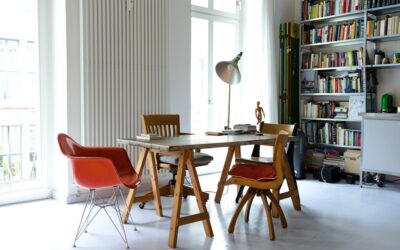
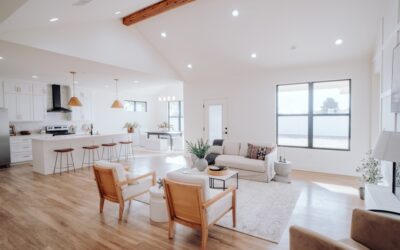
The living room is the most visible and heavily used space in most homes, and the living room flooring you choose sets the tone for the entire room’s aesthetic. It must look great, feel comfortable underfoot for hours of daily use, withstand foot traffic (and pet claws, and spilled drinks), and fit your budget — all simultaneously.
This guide ranks the six best living room flooring options for 2026, compares their costs, and helps you navigate the key factors — traffic level, style preferences, comfort needs, pet ownership, and open-concept layouts — that should drive your decision.
Living Room Flooring Rankings at a Glance
| Rank | Flooring Type | Best For | Cost (Installed) | Lifespan | Comfort |
|---|---|---|---|---|---|
| 1 | Hardwood | Resale value, timeless style | $8 – $25/sq ft | 50 – 100+ yrs | Warm |
| 2 | Engineered wood | Versatility, below-grade use | $6 – $18/sq ft | 20 – 50 yrs | Warm |
| 3 | LVP | Waterproof, pets, budget | $4 – $12/sq ft | 15 – 25 yrs | Moderate |
| 4 | Laminate | Budget-friendly wood look | $3 – $10/sq ft | 10 – 25 yrs | Moderate |
| 5 | Tile | Warm climates, durability | $8 – $25/sq ft | 50 – 75+ yrs | Cool/hard |
| 6 | Carpet | Comfort, bedrooms, quiet | $3 – $12/sq ft | 5 – 15 yrs | Very soft |
1. Hardwood Flooring
Hardwood flooring remains the gold standard for living rooms and the single flooring type that consistently adds measurable resale value to a home. Real estate data consistently shows that homes with hardwood floors sell faster and for 2% to 5% more than comparable homes without them.
For living rooms, the most popular hardwood species are white oak (Janka 1,360), red oak (Janka 1,290), hickory (Janka 1,820), and walnut (Janka 1,010). White oak has dominated the market since the mid-2010s thanks to its neutral tone, strong grain character, and compatibility with both contemporary and traditional design styles.
The main drawbacks of hardwood in living rooms are susceptibility to scratches (especially with large dogs), sensitivity to humidity changes, and higher upfront cost. However, hardwood can be refinished 3 to 5 times over its lifetime — making it the only living room flooring that gets better with investment rather than needing replacement.
2. Engineered Wood
Engineered wood flooring features a real hardwood veneer (typically 2 to 6 mm thick) bonded to a plywood or HDF core. It looks identical to solid hardwood from above, installs in more environments (including over concrete slabs and below grade), and costs 10% to 30% less.
For living rooms, engineered wood is the smart choice when you want the authentic look and feel of hardwood but face limitations — a concrete subfloor, a below-grade basement living area, or radiant floor heating. The cross-ply construction of engineered wood resists expansion and contraction from humidity changes far better than solid hardwood.
The tradeoff is refinishing potential. Engineered wood with a 2 mm veneer can be lightly sanded once; a 4 to 6 mm veneer allows 2 to 3 full refinishes. Choose a thicker veneer for living rooms where you want decades of service with refinishing flexibility.
3. Luxury Vinyl Plank (LVP)
LVP flooring has transformed the living room flooring market by offering waterproof, scratch-resistant, pet-friendly planks that convincingly replicate hardwood at roughly half the cost. LVP is now the most popular flooring sold in the United States by volume, and its adoption in living rooms continues to accelerate.
Modern LVP features rigid SPC (stone polymer composite) or WPC (wood polymer composite) cores that resist denting, provide dimensional stability, and click together without glue. Premium products from brands like COREtec, Shaw Floorte, and Mohawk RevWood include attached underlayment for sound dampening and comfort.
The honest limitation of LVP in living rooms is that it does not add resale value the way hardwood does. Buyers in the $400,000-plus home market still expect hardwood in main living areas. For homes at lower price points, rentals, and vacation properties, LVP offers the best combination of performance, appearance, and value.
4. Laminate Flooring
Laminate flooring is the most budget-friendly way to get a wood-look floor in your living room. Modern laminate has improved dramatically — high-definition printing and textured surfaces make quality laminate nearly indistinguishable from hardwood in photographs and passable in person at moderate viewing distances.
Laminate consists of a photographic image layer bonded over a high-density fiberboard (HDF) core, topped with a clear wear layer of aluminum oxide. The wear layer makes laminate highly scratch-resistant — often more scratch-resistant than real hardwood — which appeals to pet owners and families with young children.
Water resistance remains laminate’s weakness. While many 2026 laminate products feature water-resistant coatings and wax-sealed edges, the HDF core will swell if exposed to standing water for extended periods. In living rooms, this is rarely an issue, but it makes laminate unsuitable for living rooms that open directly onto outdoor spaces where rain can blow in.
5. Tile Flooring
Porcelain and ceramic tile flooring offers unmatched durability and near-zero maintenance in living rooms. It is the preferred living room flooring choice in warm climates throughout the southern United States, Mediterranean regions, and tropical areas where tile’s cool thermal mass is a comfort advantage rather than a drawback.
Modern tile technology has expanded design options enormously. Wood-look porcelain planks, marble-look tiles, concrete-look slabs, and geometric patterns allow tile to achieve virtually any design aesthetic. When paired with radiant floor heating, tile delivers warmth and luxury that rivals any other flooring type.
The downsides of tile in living rooms include hardness underfoot (tiring for prolonged standing), cold surface temperature without heating, higher installation cost, and the difficulty and expense of removal if you change your mind.
6. Carpet
Carpet has fallen from its position as the dominant living room flooring choice, but it still offers benefits that no hard-surface flooring can match — unparalleled softness, superior sound absorption, warmth, and a cozy, inviting feel. Families with young children who spend hours playing on the floor often find carpet’s cushioned surface irreplaceable.
Modern carpet technology has addressed many traditional complaints. Solution-dyed nylon carpets (like Shaw LifeGuard) resist staining, fading, and crushing far better than carpets of even a decade ago. Low-profile, tight-loop styles in neutral tones can look sophisticated and contemporary rather than dated.
The drawbacks that have driven carpet’s decline remain, however: it traps allergens and dust, stains despite treatment, shows wear in traffic patterns, and needs replacement every 5 to 15 years. Carpet also makes rooms feel smaller visually compared to hard-surface flooring, which is a significant consideration in compact living rooms.
Cost Comparison
For a 350-square-foot living room (a common size for mid-range homes), here is what each flooring option costs installed.
| Flooring Type | Material Cost | Installation Cost | Total for 350 sq ft | Maintenance (Annual) |
|---|---|---|---|---|
| Solid hardwood | $4 – $15/sq ft | $4 – $10/sq ft | $2,800 – $8,750 | $50 – $100 |
| Engineered wood | $3 – $12/sq ft | $3 – $6/sq ft | $2,100 – $6,300 | $50 – $100 |
| LVP | $2 – $7/sq ft | $2 – $5/sq ft | $1,400 – $4,200 | $20 – $50 |
| Laminate | $1 – $5/sq ft | $2 – $5/sq ft | $1,050 – $3,500 | $20 – $40 |
| Porcelain tile | $3 – $12/sq ft | $5 – $15/sq ft | $2,800 – $9,450 | $20 – $40 |
| Carpet | $1 – $6/sq ft | $2 – $6/sq ft | $1,050 – $4,200 | $100 – $300 |
Key Decision Factors
Traffic Level
Light-traffic living rooms (adult-only households, formal living rooms) can use any flooring type, including softer options like carpet and solid hardwood. High-traffic living rooms (families with children, multiple pets, heavy daily use) benefit from the scratch resistance of LVP, laminate, or tile.
Style Preferences
If resale value and timeless appeal matter most, hardwood flooring is the clear winner. For contemporary and eclectic styles, tile offers the most design versatility. For cozy, informal spaces, carpet delivers unmatched comfort and warmth.
Comfort and Sound
Carpet is the most comfortable and quietest option. Hard surfaces — especially tile and laminate — amplify sound. Area rugs over hard-surface floors offer a compromise: the visual appeal and durability of hard flooring with targeted comfort and sound dampening where you need it most.
Pets
Large dogs with unclipped nails scratch hardwood and can dent softer species like pine and walnut. LVP and laminate resist scratches effectively. Tile is virtually scratch-proof. Carpet traps pet hair and can hold odors if pets have accidents — hard-surface flooring is almost always the better choice for pet owners.
Open-Concept Considerations
Open-concept floor plans — where the living room flows into the kitchen, dining area, and entryway — require flooring that works across all zones. This constraint significantly narrows your options.
Best for open-concept: LVP, engineered wood, and tile can run continuously from the living room through the kitchen without material transitions. Their water resistance (LVP and tile) or enhanced stability (engineered wood) handles the wet and dry zones equally well.
Challenging for open-concept: Solid hardwood in the living room meeting tile in the kitchen requires a transition strip. Carpet in the living room adjacent to hard floors in the kitchen creates an abrupt visual and tactile change. Laminate works in the living room but is not ideal for the kitchen wet zone.
The dominant open-concept approach in 2026 is a single flooring material throughout the entire main level — and LVP and engineered wood are the two products best suited for this continuous-floor approach.
Trending Living Room Flooring Styles (2026)
Wide plank hardwood (7 inches and wider) in wire-brushed white oak continues to be the premium living room flooring choice. Matte and satin finishes have almost entirely replaced high-gloss polyurethane in new installations.
Warm tones have overtaken cool grays as the dominant color trend. Honey oak, natural walnut, warm greige, and terracotta tones are the most requested colors across all flooring types.
Herringbone and chevron patterns are increasingly popular for both hardwood and LVP living room installations, adding visual interest and a designer touch that straight-lay planks cannot provide.
Mixed materials — such as hardwood in the living area transitioning to tile in an adjacent sunroom — are being executed with more design intentionality, using complementary tones and flush transitions.
Frequently Asked Questions
What is the most popular living room flooring in 2026?
LVP is the highest-selling living room flooring by volume, while hardwood remains the most desired by homebuyers. In new construction, engineered wood and LVP dominate. In renovations, the choice often depends on budget — hardwood for higher-end projects, LVP for mid-range budgets, and laminate for budget-conscious renovations.
What flooring makes a living room look bigger?
Light-colored, wide plank flooring in a continuous run (no transitions) makes living rooms appear larger. Lay planks parallel to the longest wall to emphasize length. Large format tiles with minimal grout joints achieve a similar effect. Dark floors and busy patterns make rooms feel smaller.
Is LVP good enough for a living room?
Yes. Premium LVP in the $4 to $7 per square foot range offers realistic wood visuals, excellent durability, and waterproof performance that makes it a practical and attractive living room choice. It will not add the resale value of real hardwood, but for most households, it delivers the best performance-to-price ratio available.
Should I put the same flooring in every room?
In open-concept homes, using the same flooring throughout the main living area creates the best visual flow and makes the space feel larger. Bedrooms and bathrooms can have different flooring (carpet in bedrooms, tile in bathrooms) since these are typically separated by doors. Consistency on the main level is what matters most.
What is the most durable living room flooring?
Porcelain tile is the most durable option, lasting 50 to 75 years or more with virtually no maintenance. Solid hardwood, while softer, lasts just as long when refinished periodically. LVP lasts 15 to 25 years, and laminate lasts 10 to 25 years — both are considered mid-lifespan products that will need eventual replacement.
Can I mix hardwood and carpet in a living room?
Using area rugs over hardwood is extremely common and practical — it adds warmth, comfort, and sound absorption where you need it while showcasing the hardwood flooring around the perimeter. Wall-to-wall carpet combined with hardwood in the same room (without a doorway separation) is generally not recommended as it looks dated and creates an awkward transition.
Prefer to explore on your own?
See how new flooring looks in your actual room in seconds — free, no signup.
Try the free Floor Studio →