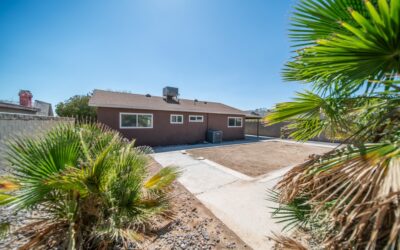
Gravel alone does not make a yard easy. Thin rock over bare soil sprouts weeds within a season, oversized shrubs need shearing every month, and leaky drip lines quietly drown plants. Low maintenance desert landscaping starts with the work you will not have to do later: proper weed control under the rock, the right mulch depth, drip zones on timers and plants that stay their natural size.
Plan those four things carefully and a desert yard can get by on a few hours of attention per season instead of weekly chores. Every step here puts maintenance first, with looks following naturally from good bones.
- Why Low Maintenance Desert Landscaping Starts Under the Rock
- Weed Barrier: What Works and What Doesn't
- Rock Mulch Depth and Type
- Drip Zones on Timers
- Plants That Never Need Pruning
- A Seasonal Checklist for Low Maintenance Desert Landscaping
- Tools and Materials
- Working Safely in Desert Heat
- Troubleshooting
- Cost Ranges
- When to Call a Pro
- Frequently Asked Questions
A well-planned low maintenance desert landscaping layout also cuts water bills. These principles apply in hot low deserts and in warmer parts of the Southwest. Higher, colder deserts follow similar logic but need frost-hardy plant choices.
Why Low Maintenance Desert Landscaping Starts Under the Rock
The surface you see is only the top layer. Weeds, settling and erosion all start below it. Getting the base right is the biggest single factor in how much maintenance a desert yard needs.
Begin by removing existing weeds and turf, roots included. A flat shovel or sod cutter handles grass, while deep-rooted perennial weeds may need repeated pulling over a few weeks before you cover the area. Rake the soil smooth and grade it so water flows away from the house foundation, with a slight slope of roughly a quarter inch per foot near the house.
Compact the subgrade lightly with a hand tamper. Loose soil settles unevenly, which leaves low spots where water and debris collect and weeds take hold.
Weed Barrier: What Works and What Doesn’t
A woven or nonwoven landscape fabric under rock mulch slows weeds coming up from the soil and keeps rock from sinking into mud. It is not a perfect shield. Wind-blown seeds still land on top and sprout in the dust that collects between stones.
- Use a permeable fabric so rain and drip water reach the soil. Plastic sheeting traps moisture and suffocates roots.
- Overlap seams by 6 to 12 inches and pin with landscape staples every few feet.
- Cut an X for each plant rather than a large hole, then fold the flaps back around the root ball.
- Keep fabric covered completely. Sun breaks down exposed fabric quickly.
Some designers skip fabric and rely on a thicker rock layer plus a pre-emergent weed preventer applied per label. Either approach works if you stay ahead of seedlings. Fabric tends to be the better choice for low-effort yards because it reduces how often you need to treat.
Rock Mulch Depth and Type
Depth matters more than most people think. Too thin and fabric shows through; too thick and it shifts underfoot. For most decorative gravel and crushed rock, a 2- to 3-inch layer works well. Larger river rock or cobble needs 3 to 4 inches to cover gaps.
- Decomposed granite: Compacts into a firm surface for paths and patios. Stabilized versions resist erosion and tracking.
- Crushed angular rock (3/8 to 3/4 inch): Locks together, stays put on slopes and walks comfortably.
- Rounded river rock: Attractive in dry creek beds but rolls underfoot, so keep it out of walking areas.
- Boulders: Add structure. Bury each one by a third so it looks natural and stays stable.
Lighter-colored rock reflects heat but can glare against a house wall; darker rock absorbs heat, which can stress plants nearby. Medium earth tones are a safe middle ground. Install metal or concrete edging to keep rock out of lawns and walkways.
Drip Zones on Timers
Hand watering is the chore that sinks most desert yards. A drip system on an automatic timer removes it almost entirely. Group plants by water needs into separate zones so cacti are not getting the same water as flowering shrubs.
- Map zones. Typical setups use one zone for trees, one for shrubs and one for low-water accents.
- Size emitters to the plant. Small shrubs may need two 1-gallon-per-hour emitters; trees need several emitters placed out toward the drip line as they grow.
- Install a filter and pressure regulator at the head of each line to prevent clogs and blowouts.
- Bury tubing a few inches under the fabric or rock so sun does not degrade it.
- Program a drip irrigation timer for deep, infrequent watering early in the morning, and adjust seasonally: more in summer heat, much less in winter.
A smart controller that adjusts for weather can trim water use further. Inspect emitters a few times a year, especially after summer storms, and flush lines annually.
Plants That Never Need Pruning
The easiest desert plant is one chosen for its mature size. Shearing a shrub into a ball creates constant work and weakens the plant. Pick species that fit their space at full size and you will rarely touch them.
- Agaves and yuccas: Architectural, slow-growing and nearly maintenance-free. Place them well back from paths because of sharp tips.
- Barrel and hedgehog cacti: Compact, long-lived and low water once established.
- Desert spoon and beargrass: Fountain shapes with little cleanup.
- Low groundcovers: Trailing native verbenas or desert marigold self-seed modestly and fill gaps.
- Small desert trees: Choose slow-growing species with modest canopies to limit litter and pruning.
Ask a local nursery or extension office which plants suit your specific area, since hardiness and heat tolerance vary. Space plants for their mature width; it looks sparse at first but saves years of trimming.
A Seasonal Checklist for Low Maintenance Desert Landscaping
Even a well-built yard benefits from a short routine. Spread it across the year and each visit takes an hour or two, not a whole weekend.
- Spring: Pull any seedlings that came up after winter rain, check every emitter for flow and reset the timer for rising temperatures.
- Summer: Watch for wilting during heat waves, clear debris after monsoon storms and confirm drip lines are still buried and connected.
- Fall: Trim dead flower stalks only where they look messy, top up thin spots in the rock layer and cut back watering as nights cool.
- Winter: Run the system far less often, cover frost-tender plants on rare cold nights and flush the drip lines once a year.
That routine is what keeps low maintenance desert landscaping living up to its name. Skip it for a year and small problems, like one clogged emitter or a patch of weeds, multiply into a weekend of repair work.
Tools and Materials
- Flat shovel, hard rake, hand tamper and wheelbarrow
- Permeable landscape fabric and landscape staples
- Rock mulch, decomposed granite and edging
- Drip tubing, emitters, filter, pressure regulator and timer
- Thick leather gloves, long sleeves and eye protection for spiny plants
- Sun hat, sunscreen and plenty of drinking water
Working Safely in Desert Heat
Rock work is heavy and desert sun is unforgiving. Schedule hauling and spreading for early morning, take frequent shade breaks and drink water before you feel thirsty. Lift with your legs and use a wheelbarrow or dolly for boulders. Wear thick gloves and long sleeves when handling cacti and agaves, and carry them with folded newspaper, carpet scraps or a cloth sling. Call 811 before digging trenches for drip lines or planting holes for trees.
Troubleshooting
Weeds sprouting in rock: Pull while small, or spot-treat per label. Blow or rake out accumulated dust and leaves so seeds have less to root in. Rock migrating: Add edging and switch to angular rock on slopes. Plants yellowing: Usually overwatering; check timer settings and emitter flow. Dry, crispy plants: Look for clogged emitters or a disconnected line.
Cost Ranges
DIY rock and fabric work generally costs a modest amount per square foot for materials, with boulders and premium decorative rock adding more. Professionally installed desert landscaping with drip irrigation, plants and edging often runs several dollars to over ten dollars per square foot depending on design complexity and access. Many desert water utilities offer rebates for removing grass.
When to Call a Pro
Large boulder placement usually needs equipment and experienced hands. If your drip system ties into the home’s water supply, local code may require a backflow preventer and installation by a licensed plumber or irrigation contractor. Hire a landscape professional for drainage problems near the foundation or major regrading.
Frequently Asked Questions
How deep should rock mulch be in a desert yard?
Plan on 2 to 3 inches for gravel and crushed rock, and 3 to 4 inches for larger river rock or cobble so the fabric stays hidden.
Is landscape fabric worth it under desert rock?
For low-effort yards, usually yes. Permeable fabric reduces weeds from the soil and keeps rock from sinking, though wind-blown seeds can still sprout on top.
How often should a desert drip system run?
Established plants usually do best with deep, infrequent watering. Frequency depends on season and plant type, so adjust the timer for summer heat and cut back sharply in winter.
Which desert plants need the least care?
Agaves, yuccas, barrel cacti and desert spoon are among the easiest. Choose plants that fit their space at mature size to avoid pruning.
Can I install desert landscaping myself?
Yes, most of it. Fabric, rock and hose-connected drip lines are DIY-friendly. Large boulders and drip systems tied into household plumbing are better left to pros.