
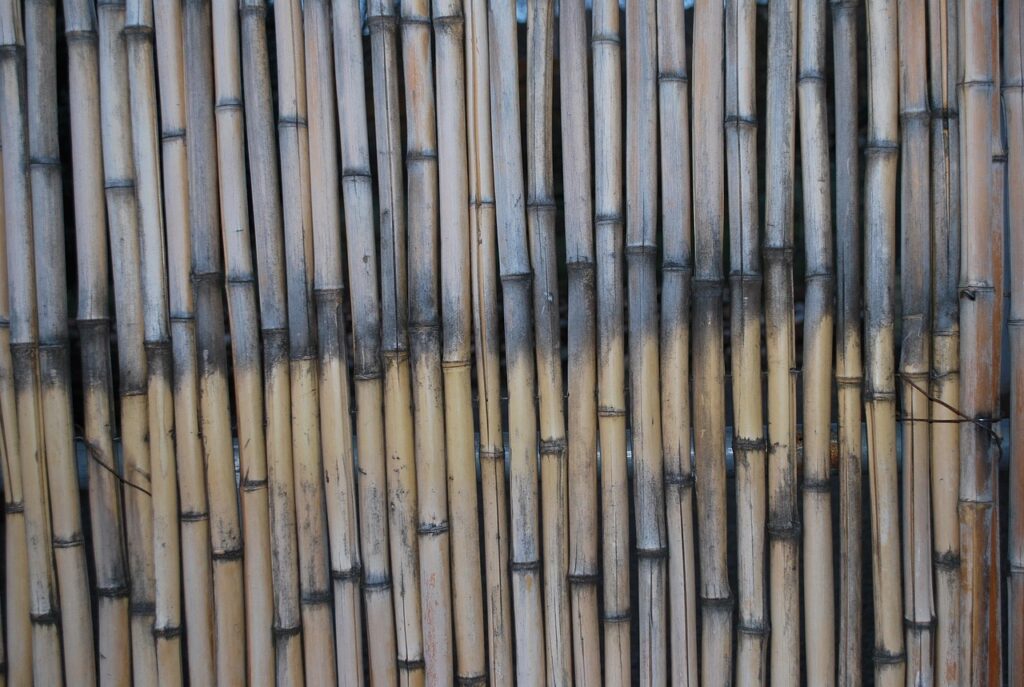
Bamboo has earned a spot in mainstream home centers as an eco-minded alternative to traditional hardwood, and shoppers researching Lowes bamboo flooring are usually weighing its sustainability, hardness, and price against oak or maple. Bamboo is technically a grass, not a tree, and it matures in a few years rather than decades, which is the core of its green appeal. But not all bamboo is created equal, and the right product depends on construction type and where you plan to install it. This guide covers how bamboo is made, what to expect, and how to shop for it wisely.
How Bamboo Flooring Is Made
Bamboo stalks are sliced, boiled, and pressed into planks using one of a few methods. Horizontal and vertical bamboo glue strips of the stalk together, showing the natural nodes. Strand-woven bamboo shreds the fibers and compresses them under intense pressure with resin, producing a much harder, denser board. Engineered bamboo layers a bamboo wear surface over a plywood or composite core for better dimensional stability.
Strand-woven is the type most buyers want for durability, since it can be dramatically harder than oak. When shopping, confirm exactly which construction you are buying, because the differences in hardness and performance are significant.
Pros of Bamboo Flooring
- Sustainability: Bamboo regrows in roughly 5 to 7 years versus decades for hardwood trees.
- Hardness: Quality strand-woven bamboo can exceed the Janka hardness of red oak, resisting dents well.
- Modern look: Clean grain and contemporary color options suit modern interiors.
- Cost: Often priced competitively with or below comparable hardwood.
- Refinishable: Many solid bamboo floors can be sanded and refinished, though fewer times than thick solid hardwood.
Cons and Limitations
Bamboo’s reputation suffers from cheap, poorly made products, so quality varies more than with traditional hardwood. The biggest practical limitation is moisture: like wood, bamboo expands and contracts with humidity and is not waterproof. It is a poor choice for bathrooms, and spills should be wiped promptly. Some lower-grade bamboo has historically been associated with higher off-gassing, so look for low-VOC products with credible emissions certifications.
Color consistency and finish quality also range widely. Carbonized bamboo, darkened by heat, is softer than natural bamboo because the process weakens the fibers. If you want maximum hardness, choose natural-colored strand-woven over carbonized.
Cost Expectations
Bamboo flooring at home centers spans a broad range. As a planning guide, expect material costs roughly from $2 to $6 per square foot for many products, with premium strand-woven and engineered lines landing higher. Installation adds roughly $3 to $7 per square foot depending on method (floating click-lock, glue-down, or nail-down) and subfloor prep.
Prices, current product lines, and in-stock colors change frequently, so confirm exact pricing and availability directly with the retailer’s website or store. Treat any figure here as a budgeting estimate, not a quote.
Installation Options
Bamboo comes in formats that suit different skill levels and subfloors. Floating click-lock planks are the most DIY-friendly, snapping together over an underlayment without glue or nails. Glue-down bamboo bonds directly to a prepared subfloor and feels solid underfoot. Nail-down solid bamboo installs like traditional hardwood over a wood subfloor.
- Acclimate the planks in the room for several days before installing.
- Check subfloor flatness and moisture before starting.
- Leave an expansion gap around the perimeter for seasonal movement.
- Follow the manufacturer’s instructions to protect the warranty.
Maintenance and Longevity
Caring for bamboo mirrors caring for hardwood. Sweep or dust-mop regularly, damp-mop with a cleaner made for wood or bamboo floors, and avoid soaking the surface or using steam mops. Felt pads under furniture and entry mats to catch grit go a long way toward preserving the finish. Promptly wipe spills, since standing water can cause swelling and staining.
With reasonable care, a quality strand-woven bamboo floor can last for decades, and refinishable solid products can be renewed when the finish wears.
How to Shop Smart
Bring home samples and check the construction type, hardness rating, finish, and emissions certification. Read recent customer reviews for the specific product, since experiences vary by line. Buy 7 to 10 percent extra for waste and future repairs, and confirm the warranty terms, current price, and stock with the retailer before ordering.
Bamboo vs. Traditional Hardwood
Buyers often cross-shop bamboo against oak, maple, and other hardwoods, and the comparison comes down to a few factors. On hardness, quality natural strand-woven bamboo can outperform red oak, making it impressively dent-resistant for active households. On sustainability, bamboo’s fast regrowth gives it an edge over slow-growing hardwood trees. On cost, bamboo is often competitive or slightly cheaper than comparable hardwood.
Where hardwood pulls ahead is in proven track record and refinishing depth. Thick solid hardwood can be sanded many times over decades, while bamboo’s refinishing potential is more limited and varies by product. Hardwood also carries broad familiarity with buyers and appraisers, which can matter for resale. Bamboo’s performance hinges heavily on manufacturing quality, so the gap between a premium bamboo floor and a bargain one is wider than with traditional wood.
Common Mistakes to Avoid
A few missteps account for most bamboo flooring complaints. Buying carbonized bamboo expecting maximum hardness is a frequent one, since the heat-darkening process softens the fibers. Skipping acclimation before installation leads to gapping and buckling as the planks adjust to your home’s humidity. Installing bamboo in a bathroom or other wet area invites moisture damage, since bamboo is not waterproof. And choosing the cheapest product available often means thin wear layers, weak finishes, and possible emissions concerns.
- Confirm whether you are buying natural or carbonized (natural is harder).
- Verify the construction type: strand-woven, engineered, or horizontal/vertical.
- Check the emissions certification for low VOCs.
- Keep bamboo out of bathrooms and high-moisture rooms.
The Bottom Line
For eco-conscious shoppers, Lowes bamboo flooring and similar home-center bamboo lines offer a sustainable, often hard, budget-friendly alternative to hardwood, with strand-woven products leading on durability. Just respect bamboo’s moisture limits, choose natural over carbonized for maximum hardness, verify the construction type and emissions rating, and confirm current pricing and warranty with the retailer. Shop carefully and bamboo can be a stylish, responsible floor that holds up for years.
Prefer to explore on your own?
See how new flooring looks in your actual room in seconds — free, no signup.
Try the free Floor Studio →

