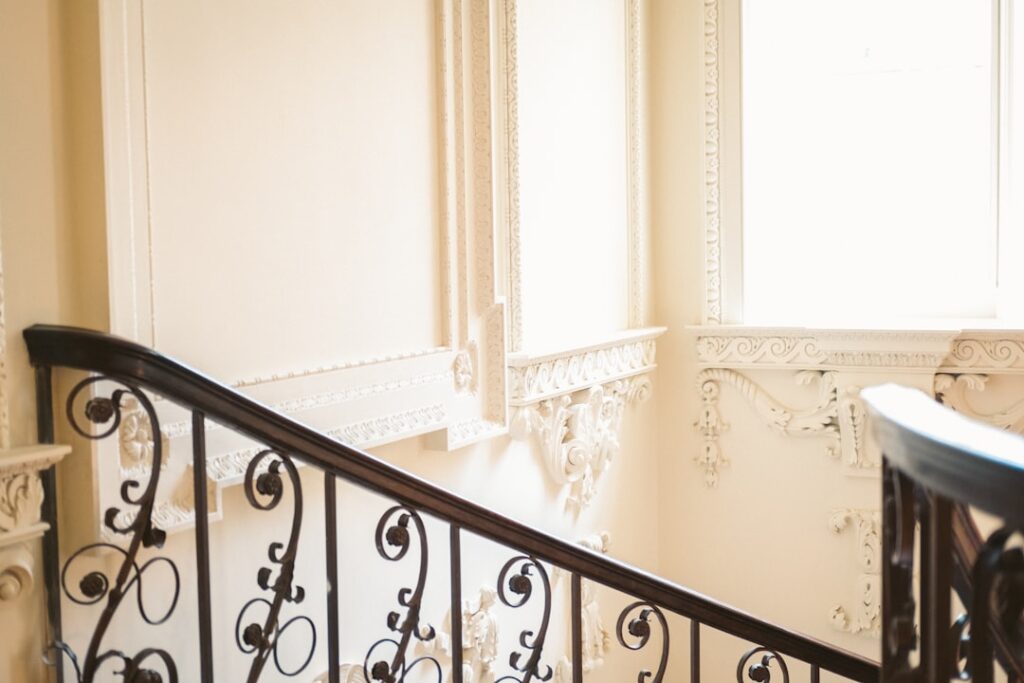
Walk into a room with tall ceilings and ornate trim where the wall meets the ceiling, and you instinctively read it as “high-end,” even before you notice anything else. Luxury crown molding is one of the highest-impact upgrades you can make for the money, instantly adding architectural weight and a custom feel to otherwise plain rooms. But premium molding is about more than buying the widest profile on the shelf. This guide covers the materials, proportions, and installation details that separate genuinely elegant trim from a clumsy add-on.
What Sets Luxury Molding Apart
The difference between ordinary and luxury crown molding comes down to three things: scale, profile complexity, and material quality. Builder-grade molding is often a thin 2.5-to-3.5-inch profile that disappears against a tall wall. Luxury crown molding starts at 5 inches and runs to 8 inches or more, with layered, multi-step profiles featuring dentils, egg-and-dart detailing, or stacked elements built from several pieces. Higher-end materials hold crisp detail and accept paint or stain flawlessly, giving that hand-carved, millwork look.
The Material Options
Material drives cost, weight, durability, and the level of detail the molding can hold. Each has a clear best-use case.
- Plaster: The traditional luxury choice. Cast plaster holds the sharpest, most intricate detail and feels substantial, but it’s heavy, expensive, and demands skilled installation. Best for historic homes and formal rooms. Often $20 to $45 per linear foot installed.
- Hardwood (oak, cherry, maple): Ideal when you want to stain rather than paint, showing off natural grain in libraries, studies, and traditional interiors. Premium and prone to expansion, running $10 to $30 per linear foot.
- Polyurethane: A high-density foam that mimics carved plaster or wood with deep detail at a fraction of the weight and cost. It won’t rot, warp, or crack, installs with adhesive, and is excellent for bathrooms and humid areas. Roughly $5 to $15 per linear foot.
- MDF: Smooth and paint-ready at the lowest price point, but it lacks the depth of true luxury profiles and swells if it gets wet. Good for budget-conscious paint-grade jobs.
Getting the Proportions Right
The single most common mistake is mismatching molding size to ceiling height. A general rule: for 8-foot ceilings, use crown in the 3-to-5-inch range; for 9-foot ceilings, step up to 5-to-7-inch; and for 10-foot ceilings or higher, you can use 7 inches or more, often built up from multiple pieces. Oversized crown in a low room feels claustrophobic, while undersized crown in a grand room looks like an afterthought. When in doubt, hold a sample piece up to the ceiling and step back across the room before committing.
Built-Up Crown for a Custom Look
The most luxurious installations rarely come from a single stock piece. Instead, finish carpenters combine two or three separate moldings, a large crown, a smaller cove or bead, and sometimes a flat backer board, to create a deep, layered cornice that reads as fully custom millwork. This technique lets you achieve a dramatic 8-to-12-inch profile from off-the-shelf pieces, dramatically lowering the cost compared to a single massive plaster casting while delivering a comparable impact. It also lets you tailor the design to the room’s architecture.
Installation Considerations
Crown molding is notoriously tricky to install because it sits at a compound angle between wall and ceiling. Cutting accurate inside and outside corners requires either a compound miter saw set to the correct bevel and miter angles or the coping technique, where one piece is cut to fit over the contour of the adjoining piece. Coped joints stay tight even when walls aren’t perfectly square, which is why professionals favor them. Heavy plaster and hardwood need solid blocking or screws into framing, while lightweight polyurethane can be glued and nailed. Unless you’re an experienced trim carpenter, large or built-up luxury crown is a job worth hiring out.
Finishing for a Premium Result
The finish makes or breaks the look. For paint-grade molding, caulk every seam and nail hole, prime, and apply two coats of a smooth semi-gloss or satin enamel; the slight sheen catches light and accentuates the profile’s detail. Painting crown the same bright white as the ceiling makes a room feel taller, while painting it to match the wall creates a cozier, enveloping effect. For stain-grade hardwood, condition the wood first, apply gel stain for even color, and finish with a couple of coats of clear polyurethane to protect the grain.
Where Luxury Crown Has the Biggest Impact
Not every room benefits equally from elaborate trim, so concentrate your budget where it shows. Formal living rooms, dining rooms, and entry foyers are the classic candidates, since these are the spaces guests see first and where architectural detail reads as quality. Primary bedrooms and home offices with tall ceilings also reward generous crown. Conversely, low-ceilinged hallways, utility spaces, and rooms with sloped or vaulted ceilings often look better with simpler trim or none at all. A focused approach, dramatic built-up crown in two or three key rooms, delivers more impact than thin molding spread thinly throughout the whole house.
Lighting and Crown Molding Together
One of the most striking applications pairs crown molding with concealed lighting. By installing crown a few inches down from the ceiling with a small ledge behind it, you can run LED strip lighting that washes the ceiling in a soft, indirect glow, a technique called cove or tray lighting. This adds a luxurious, custom ambiance impossible to achieve with trim alone and is especially effective in dining rooms, theaters, and primary suites. Plan the lighting before installation, since the molding must be furred out from the wall to create the hidden channel for the LED strip and its low-voltage wiring.
Is It Worth the Investment?
For the visual payoff, few upgrades compete with crown molding. It enhances resale appeal, makes ceilings feel taller, and gives builder-grade rooms the polished, architectural character of a custom home. Whether you choose hand-cast plaster for a formal dining room or affordable polyurethane built up into a grand cornice, well-proportioned, well-installed luxury crown molding delivers a transformation that paint and furniture alone simply can’t match.