The luxury vinyl plank aisle has exploded into dozens of cores, wear layers, and install methods, and most buyers grab the prettiest sample without understanding what makes one plank last 20 years and another fail in five. Sorting through LVP flooring options comes down to four decisions: core type, wear-layer thickness, install method, and the quality of the printed surface. Get those right and you have a waterproof, dent-resistant floor that looks like real wood. Get them wrong and you overpay for something thin and noisy. Here is how the options actually compare.
Rigid Core: SPC vs WPC
Modern LVP almost always uses a rigid core, and the two main types are SPC and WPC. SPC, stone plastic composite, packs a dense limestone-and-PVC core that is extremely hard, dimensionally stable, and dent-resistant. It runs thinner, typically 4mm to 7mm, feels firm underfoot, and handles heavy furniture and heat without expanding. WPC, wood plastic composite, uses a foamed core that is thicker, softer, warmer, and quieter to walk on, usually 5mm to 8mm.
For high-traffic areas, rental units, and rooms with big temperature swings like sunrooms, SPC is the durable choice. For bedrooms and living spaces where comfort underfoot matters most, WPC’s softer feel wins. Both are fully waterproof when the core is solid PVC composite.
Wear Layer: The Most Important Spec
The clear wear layer on top determines how long the floor resists scratches and scuffs, and it is measured in mils. This is the number that separates cheap LVP from durable LVP:
- 6 mil: Light residential use only. Fine for a guest bedroom, risky anywhere with pets or kids.
- 12 mil: Solid residential standard for most homes, including living rooms and hallways.
- 20 mil: Heavy residential and light commercial. The sweet spot for busy households with dogs.
- 28 to 30 mil: Commercial-grade, built for retail and offices, and overkill for most homes.
For a family home with pets, never go below 12 mil, and 20 mil is worth the small upcharge. A thicker wear layer matters far more than overall plank thickness for real-world durability.
Install Method: Click vs Glue-Down
Click-lock floating LVP snaps together edge to edge and floats over the subfloor with no adhesive. It is the DIY favorite, installs fast, and can go over many existing hard surfaces. Glue-down LVP bonds directly to the subfloor with adhesive, which makes it more stable underfoot, quieter, and better for very large rooms and commercial spaces where a floating floor might shift.
For most homeowners, click-lock rigid core is the easiest and most forgiving option. Choose glue-down for rooms over about 40 feet in one direction, areas with rolling loads, or where you want the most solid, no-movement feel. Glue-down also tolerates direct sunlight and heat better since it cannot expand and contract freely.
Waterproof, But Read the Fine Print
Rigid-core LVP is genuinely waterproof; the plank itself will not swell or delaminate when wet, which is why it dominates kitchens, baths, basements, and laundry rooms. That said, waterproof planks do not make a waterproof floor system. Water can still seep through seams to the subfloor in a flood, and standing water under a floating floor can cause mold beneath. For bathrooms with heavy water exposure, glue-down installation or sealed seams add an extra layer of protection.
Surface Looks and Texture
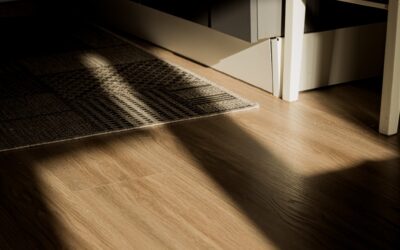
Print quality and texture decide how convincing the wood look is. Premium LVP uses embossed-in-register texturing, where the surface grain lines up with the printed image, and offers many unique plank faces so the floor does not repeat. Beveled or painted edges create realistic plank definition. Matte finishes read as natural wood and hide dust; glossy finishes look artificial and show every footprint. Wider, longer planks, such as 7-inch by 48-inch boards, give a more upscale, contemporary look than narrow strips.
Price Ranges and What You Get
LVP spans a wide price range depending on these specs:
- $1.50 to $2.50 per sq ft: Thin wear layers and basic prints. Budget rentals only.
- $3 to $5 per sq ft: The value sweet spot, with 12 to 20 mil wear layers and good rigid cores.
- $5 to $8 per sq ft: Premium looks, 20 mil-plus wear layers, EIR texture, and attached underlayment.
Add $2 to $4 per sq ft for professional installation. Many rigid-core products include an attached cork or foam pad, which improves sound and comfort and saves the cost of separate underlayment.
Best Use Cases
LVP excels in kitchens, basements, bathrooms, mudrooms, and any space where water and heavy traffic meet. It performs over concrete slabs, suits homes with pets, and works well in rentals where durability and easy replacement matter. Choose SPC with a 20 mil wear layer for the toughest spaces, WPC for comfort-focused living areas, and glue-down for large open floor plans.
Underlayment and Attached Pads
Underlayment shapes how LVP sounds and feels. Many rigid-core planks ship with an attached cork or IXPE foam pad, which cushions each step, dampens hollow click-clack, and saves a separate install step. If your product lacks an attached pad and you want a quieter, softer floor, add a thin LVP-rated underlayment, but never double up; stacking a separate pad under an already-padded plank can exceed the click joint’s tolerance and cause failures.
For installs over concrete, choose an underlayment or attached pad with a built-in vapor barrier to block slab moisture. Over plywood subfloors, a basic acoustic pad is usually enough. Always confirm the manufacturer allows your chosen underlayment, since the wrong one can void the warranty.
Common Mistakes to Avoid
The most frequent LVP failures trace back to a few avoidable errors. Skipping acclimation is the big one; let planks sit in the room for 48 hours so they adjust to temperature before install, especially for floating floors in sunrooms. Failing to leave the expansion gap, typically 1/4 inch at walls, causes buckling when the floor expands. Installing over an uneven subfloor telegraphs every bump through the planks and stresses the joints, so level the substrate first.
Buyers also overspend on plank thickness while ignoring the wear layer that actually determines durability. Focus your budget on a thicker wear layer and a quality core, not on millimeters of overall height that do little for real-world performance.
The Bottom Line
The right LVP flooring option comes down to matching core, wear layer, and install method to the room. Pick rigid core for stability, never drop below a 12 mil wear layer in a home with pets, choose click-lock for easy installs and glue-down for large or wet spaces, and prioritize EIR texture and matte finish for realism. Budget $3 to $5 per square foot for a floor that looks like wood, ignores water, and lasts decades.
Prefer to explore on your own?
See how new flooring looks in your actual room in seconds — free, no signup.
Try the free Floor Studio →