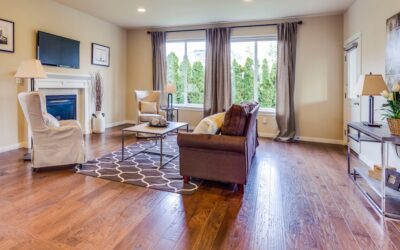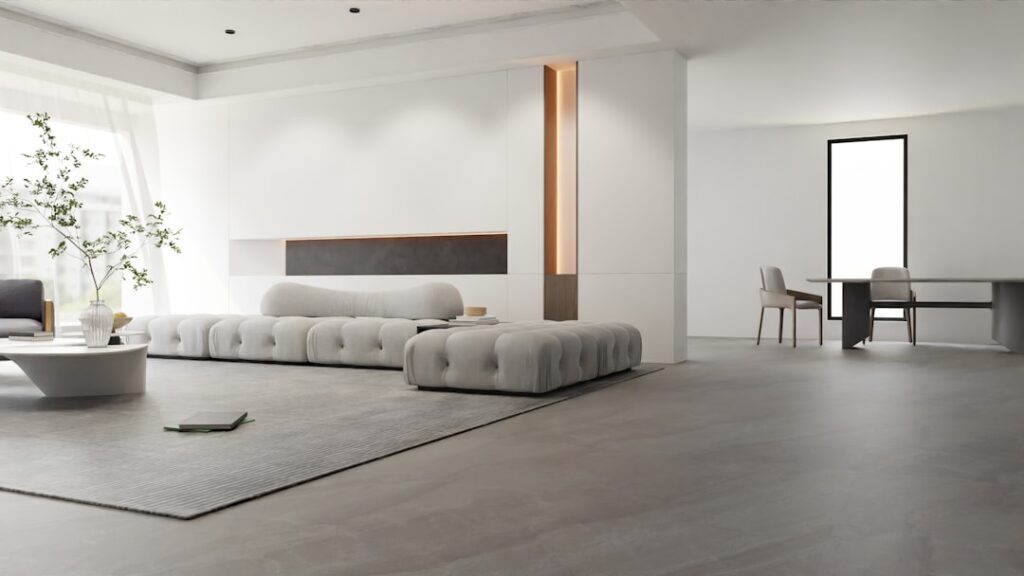
Luxury vinyl tile no longer means a handful of fake-wood looks and a single boring tile pattern. Today’s LVT flooring designs span convincing wood grains, realistic stone and marble, concrete, terrazzo, and statement patterns like herringbone and chevron, all in a waterproof, easy-to-install product. The design freedom is the whole point: you can get the look of expensive hardwood or natural stone without the cost, weight, or maintenance. This guide walks through the most popular LVT design options, the genuine pros and cons, what they cost, and how to choose a pattern, plank size, and layout that fits your space and stays in style.
The Most Popular LVT Design Categories
LVT’s printed design layer can replicate almost any material. The main families of designs include:
- Wood-look planks: Oak, walnut, hickory, and weathered or reclaimed looks, the best-selling category by far.
- Stone and marble tile: Travertine, slate, marble, and limestone looks with optional grout lines.
- Concrete and cement: Industrial, minimalist tones popular in modern interiors.
- Terrazzo and patterned: Speckled terrazzo and bold geometric tiles for a design statement.
Realism has improved dramatically thanks to high-resolution printing and embossed-in-register texturing, where the surface texture aligns with the printed grain, so a quality LVT can pass for the real material at a glance.
Layout and Pattern Options
Beyond the printed look, the way planks and tiles are arranged dramatically changes a room’s feel. Popular layouts include:
- Straight lay: Classic, clean, and the most economical with the least cutting waste.
- Herringbone: Angled planks in a zigzag for an upscale, tailored look.
- Chevron: A continuous V-pattern, more contemporary and dramatic than herringbone.
- Brick or offset: Staggered seams that read casual and natural.
- Groutable tile: Stone-look LVT installed with grout for a more authentic finish.
Wide, long planks make a room feel larger and more modern, while herringbone and chevron add visual interest at the cost of more labor and waste.
The Pros of LVT Designs
The biggest advantage is achieving a premium look without premium cost or upkeep. LVT delivers the appearance of hardwood, marble, or concrete in a waterproof, durable, low-maintenance package that suits kitchens, bathrooms, basements, and high-traffic areas. The sheer range of designs means there is an option for nearly any style, from rustic farmhouse to sleek minimalist.
- Realistic wood, stone, and concrete looks at a fraction of the real material’s price.
- Waterproof in rigid-core formats, so design freedom extends to wet rooms.
- Warmer and quieter underfoot than real tile or stone.
- Easy installation, including DIY-friendly click-lock systems.
The Cons to Keep in Mind
No design is perfect. Cheaper LVT can show repeating patterns across a large floor, breaking the illusion of natural material, so a wider variety of plank faces matters for realism. The design layer cannot be refinished, and once the wear layer wears through, the plank must be replaced. Prolonged direct sunlight can fade designs over years, and very trendy patterns, like a bold terrazzo, may date faster than a classic oak or neutral stone.
Up close, a discerning eye can sometimes tell LVT from genuine hardwood or stone, and busy patterns like chevron require careful planning and more material to install correctly.
What LVT Designs Cost
Pricing depends on the design complexity, wear-layer thickness, and core type. Plan around these ranges:
- Standard wood-look or stone-look (12 to 20 mil): $3 to $5 per sq ft material.
- Premium designs and thicker wear layers (20 to 28+ mil): $5 to $7 per sq ft.
- Straight-lay installation: $2 to $4 per sq ft labor.
- Herringbone or chevron installation: $4 to $7 per sq ft labor, plus 10 to 15 percent more material for waste.
The pattern you choose affects the labor line as much as the product itself, so factor layout complexity into your budget from the start.
How to Choose the Right Design
A few guidelines help you pick a look you will love for years:
- Match the design to your home’s style, classic oak and neutral stone age best; bold patterns make a statement but date faster.
- Choose wide, long planks to make small rooms feel larger.
- For realism, pick products with multiple plank faces and embossed-in-register texture.
- Reserve herringbone and chevron for spaces where the extra labor cost is worth the impact.
- Order samples and lay several planks together in your room’s light before deciding.
Whatever design you choose, select a wear layer of at least 20 mil for busy spaces and confirm a FloorScore certification for low emissions.
Mixing Designs and Defining Zones
Designers increasingly use LVT to define spaces within open-concept homes, and you can borrow the trick. A wood-look plank in the living and dining area can transition to a stone-look tile in the kitchen or entry, visually separating functions without walls or thresholds that interrupt the flow. A border or feature inlay, say a herringbone runner in a hallway flanked by straight-lay planks, draws the eye and adds a custom, high-end touch that costs far less than the equivalent in real wood or stone.
Keep the palette cohesive so the zones feel intentional rather than chaotic. Stick to two complementary designs at most in connected spaces, and match the undertones, pairing a warm oak with a warm travertine, for example. Plan transitions carefully, since LVT shapes and thicknesses must align cleanly at the seam. Used thoughtfully, mixed LVT designs let you tailor each area to its purpose while keeping the whole home looking polished and unified.
The Bottom Line
Today’s LVT flooring designs give you the look of hardwood, marble, concrete, and more in a waterproof, affordable, low-maintenance floor, with layout options from clean straight-lay to dramatic herringbone. Classic wood and neutral stone looks in wide planks deliver the most timeless result, while bold patterns and angled layouts add personality at a higher installation cost. Prioritize realistic, multi-face products with a 20-mil-or-thicker wear layer, match the design to your style and room size, and view samples in your own light. Choose wisely and you will get a beautiful, on-trend floor that performs for two decades.
Prefer to explore on your own?
See how new flooring looks in your actual room in seconds — free, no signup.
Try the free Floor Studio →