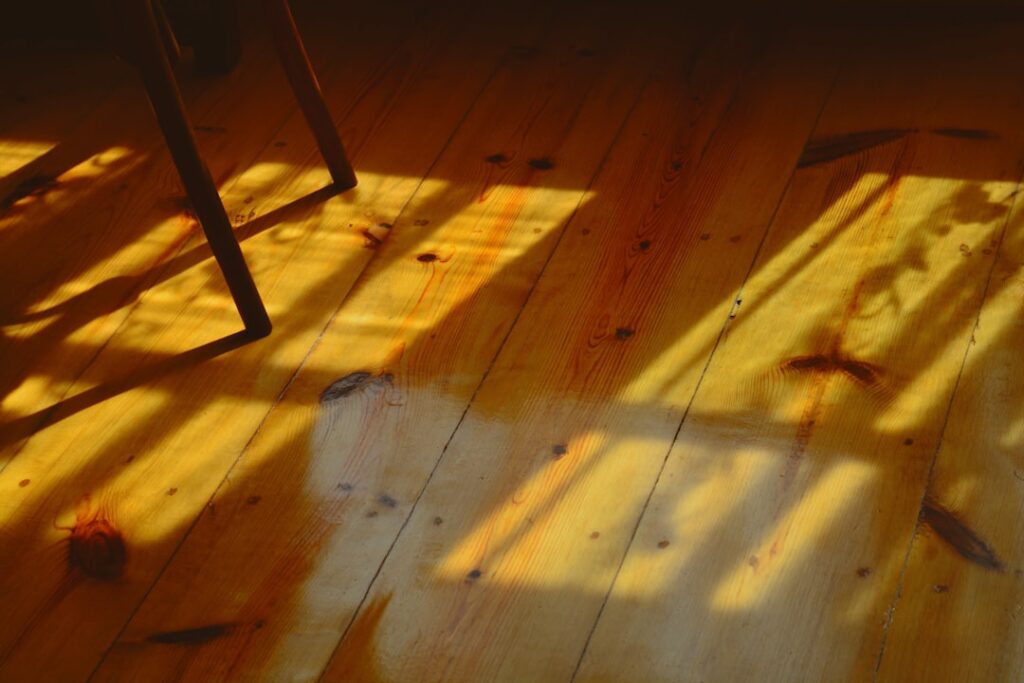
Solid hardwood is the prestige choice, but it does not work everywhere. Basements, slab-on-grade rooms, and humid climates push solid plank well past its comfort zone. Manufactured hardwood flooring, also called engineered hardwood, solves those problems with a real wood wear layer bonded to a multi-ply or HDF core. The result performs better in temperature swings, installs over more substrates, and now rivals solid hardwood at the showroom level. Here is what to know before signing a 6,000-dollar order for your living room.
How Manufactured Hardwood Is Built
Engineered planks consist of a top wear layer of real hardwood (1 to 6 mm thick), a multi-ply or HDF core running cross-grain for stability, and a balancing back layer. Premium brands like Mirage, Kahrs, and Lauzon use wear layers of 4-6 mm that can be sanded and refinished 2-3 times — much like solid hardwood.
Budget engineered products use 1-2 mm wear layers and cannot be sanded. Visually they may look identical, but their useful lifespan tops out around 15-25 years versus 40-plus for premium engineered or solid wood.
Cost and Material Tiers
- Builder grade (1-2 mm wear) — 2.99 to 4.99 per sq ft material; 7-10 per sq ft installed
- Mid-range (2-3 mm wear) — 4.99 to 7.99 per sq ft; 9-13 installed
- Premium (4-6 mm wear) — 7.99 to 13.99 per sq ft; 12-18 installed
- Luxury wide-plank European (6 mm+ wear) — 12 to 25 per sq ft; 18-30 installed
The cost premium between tiers is largely about wear layer thickness, finish quality, and core material. Pay for the thicker wear layer if you plan to keep the floor 20-plus years.
Where Manufactured Hardwood Outperforms Solid
Engineered planks shine in three scenarios solid wood cannot handle:
- Below-grade basements (humidity, occasional moisture)
- Concrete slabs (no need for plywood subfloor first)
- Radiant heat floors (cross-ply core handles temperature swings without cupping)
For these applications, manufactured hardwood flooring is not a compromise — it is the better technical choice. Solid wood in these conditions cups, gaps, or fails outright within a few seasons.
Installation Methods
Engineered planks install three ways depending on the product and substrate:
- Glue-down — strongest install on concrete slabs. Use a urethane adhesive like Bostik’s Best or Mapei Ultrabond ECO 985.
- Nail-down/staple — for plywood subfloors. Cleats or staples driven through the tongue at 6-8 inch intervals.
- Floating click-lock — fastest install. Planks click together over a foam or cork underlayment without fasteners or adhesive.
Floating installs are easiest for DIY but transmit more sound underfoot. Glue-down feels and sounds most like solid wood. Match the install method to your substrate and your tolerance for noise.
Top Brands Worth Knowing
Mirage (Canadian) leads the premium market with its Mirage Lock click-system and tight quality control. Kahrs (Swedish) offers stunning wide-plank European oak with a 30-year residential warranty. Lauzon and Mercier are strong North American premium options.
For mid-range, Bruce, Mohawk RevWood Plus, and Shaw Floorte all deliver solid value at 5-8 dollars per sq ft. For luxury wide-plank visuals, look at Stuga, Nordic Naturals, and DuChateau. Budget tier brands like Home Decorators Collection and Pergo TimberCraft work for short-term applications but do not have refinishing capacity.
Subfloor Prep Requirements
Engineered hardwood demands a flat, dry, clean substrate just like solid wood. Industry tolerance is 3/16 inch deviation over 10 feet. High spots get sanded; low spots get filled with self-leveling compound. Concrete slabs require a moisture test (calcium chloride or RH probe) before any glue-down install.
Plywood subfloors should be 5/8-inch minimum (3/4-inch preferred) with all seams flush, screws countersunk, and no protruding nails. Acclimate the planks in the room for 48-72 hours at the home’s normal living temperature and humidity before install.
Wood Species and Finish Options
Engineered hardwood is available in nearly every species solid wood offers, plus exotic imports that would be cost-prohibitive in solid form. White oak dominates current trends — 7 to 9 inch wide planks in light natural or whitewashed finishes are the bestsellers in 2026. Walnut, hickory, maple, and Brazilian cherry remain popular.
Finish options include UV-cured polyurethane (most durable, slight sheen), oiled finish (matte natural look, requires periodic re-oiling), and aluminum-oxide (most scratch-resistant, slightly plastic appearance).
Maintenance and Long-Term Care
Care is identical to solid hardwood. Sweep or dust mop daily to remove grit, vacuum weekly, and damp-mop monthly with a hardwood-specific cleaner like Bona Hardwood Floor Cleaner. Never use steam mops, vinegar solutions, or wax-based cleaners; all damage modern factory finishes.
Felt pads under all furniture legs prevent scratches. Area rugs in entryways trap grit before it reaches the wear layer. Refinishing should only be attempted by professionals — DIY sanding can blow through a thin wear layer in seconds.
Common Misconceptions
Engineered hardwood is not laminate, not vinyl, and not a “fake” floor. The wear layer is genuine hardwood, sanded and finished the same way as solid plank. The difference is structural — the cross-ply core provides stability that solid wood cannot match.
The other myth is that engineered cannot be refinished. Premium products with 4-6 mm wear layers can be sanded 2-3 times, matching the refinish lifespan of most homeowners’ ownership periods. Confirm the wear layer thickness before assuming refinish capability.
Final Buying Checklist
Before placing the order, verify wear layer thickness in millimeters, total plank thickness (1/2 inch to 3/4 inch is standard), warranty length and exclusions, finish type and sheen, and whether the product is approved for your substrate. Order 10-15 percent overage for waste and future repairs. The right manufactured hardwood flooring outlasts most homeowners’ tenure in the house — the wrong one ages out within a decade.
Prefer to explore on your own?
See how new flooring looks in your actual room in seconds — free, no signup.
Try the free Floor Studio →