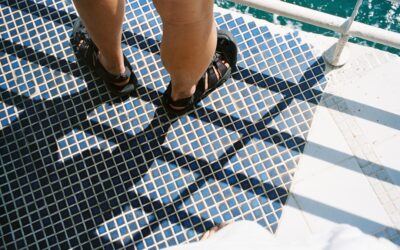
Saltwater, UV radiation, dropped fishing gear, wet bare feet, and constant pounding from waves combine to destroy boat decks faster than any residential floor ever sees. The teak that ruled luxury yachts for a century has been mostly displaced by engineered synthetics that perform better, weigh less, and don’t require monthly maintenance. Marine flooring options now span EVA foam, marine vinyl, woven PVC, polypropylene composite, and synthetic teak — each with strengths matched to specific vessel types and use cases. Here’s how to choose the right deck for your boat.
- The Major Marine Flooring Categories
- EVA Foam for Comfort and Lightness
- Marine Vinyl Sheet for Cabins and Wet Decks
- Synthetic Teak: The Practical Luxury Choice
- Slip Resistance and Wet-Deck Safety
- UV Resistance and Color Stability
- Installation Method Drives Replaceability
- What Each Boat Type Should Choose
- Maintenance That Extends Service Life
The Major Marine Flooring Categories
Six product families dominate the modern marine flooring market:
- EVA foam (SeaDek, MarineMat, Hydro-Turf) — closed-cell foam in stamped patterns. Lightweight, soft underfoot.
- Marine vinyl sheet (Lonseal, Marideck, Polyflor) — heavy-gauge sheet with embossed slip texture.
- Woven PVC (Chilewich, Bolon Marine) — flexible woven panels with marine-grade backing.
- Synthetic teak (Flexiteek, PlasDECK, Dek-King) — molded polymer planks that mimic teak appearance.
- Polypropylene composite (Tek-Dek, Marinedeck) — rigid panels with non-slip top texture.
- Real teak — still used on luxury yachts. Maintenance-intensive.
EVA Foam for Comfort and Lightness
EVA foam from SeaDek, MarineMat, and Hydro-Turf is the dominant choice for center-console fishing boats, bass boats, and pontoons. The 6mm and 8mm closed-cell foam delivers cushion underfoot, slip resistance from the stamped textures (diamond, hex, brushed), and UV-stable color from CNC-cut sheets.
Pricing lands at $15-$30 per sq ft for custom-cut SeaDek kits with peel-and-stick PSA backing. The DIY install is straightforward — clean the deck with acetone, peel the release liner, position carefully, and press firmly. A 200-sq-ft center-console deck takes a confident DIYer four to six hours. Service life runs 7-12 years before UV brittleness shows up.
Marine Vinyl Sheet for Cabins and Wet Decks
Marine vinyl sheet from Lonseal (Lonwood, Loncoin, Topseal), Marideck, and Polyflor handles cabin floors, head compartments, and lower decks where seamless cleanability and chemical resistance matter. The sheet runs 2.0-2.5mm thick with embossed slip textures and color-impregnated wear surfaces.
Bond with two-part urethane adhesive like ATR-3 or Sika SikaBond AT-80 over a clean marine plywood substrate. Heat-welded seams (using a Leister hot-air welder with PVC rod) create continuous water-tight seams. Pricing runs $10-$22 per sq ft installed for professional welded installs.
Synthetic Teak: The Practical Luxury Choice
Synthetic teak from Flexiteek 2G, PlasDECK, Dek-King, and SeaDek’s wood-look lines delivers the appearance of caulked teak planking without the maintenance. The planks are molded polymer with realistic wood-grain texture and routed caulking lines. UV stabilizers in the formulation prevent the silvering that real teak shows after three to five seasons.
Pricing runs $15-$40 per sq ft for material plus $20-$40 per sq ft for templated, glued, and routed professional installation. Total finished cost on a 30-foot sailing yacht’s deck can easily exceed $25,000 — but the synthetic teak needs nothing more than soap-and-water cleaning, while real teak demands annual oiling or every-three-year sanding and recaulking at similar labor cost.
Slip Resistance and Wet-Deck Safety
Marine flooring lives wet most of its life, so wet-traction performance matters more than dry. The ANSI A326.3 dynamic coefficient of friction (DCOF) wet rating should hit 0.55 or higher for safe barefoot wet decks. EVA foam routinely tests at 0.65-0.80 DCOF wet. Marine vinyl with embossed slip texture (Loncoin) typically hits 0.55-0.65. Synthetic teak with surface routing falls at 0.50-0.60.
For sport-fishing boats with frequent slime, blood, and bait residue, choose finer-grit slip textures (diamond plate over coarse pebble) so the surface cleans easily without trapping organic matter. Pebble and coarse textures grip better dry but become biofouling traps in fishing applications.
UV Resistance and Color Stability
Saltwater UV exposure is the brutal test. Standard residential vinyl yellows and chalks within a season. Marine-grade products use UV-stabilized polymers and pigments that survive 5-10 years of full sun. Look for products that publish ASTM G155 weatherometer testing — typically 2,000-5,000 hours of accelerated exposure simulating real-world aging.
Color choice matters. Light grays, beiges, and tans reflect heat and stay cool underfoot in direct sun. Dark colors (charcoal, black, navy) can hit 130-150 degrees F surface temperature in tropical sun, which is uncomfortable barefoot and accelerates polymer degradation. Match the color to the climate where the boat operates.
Installation Method Drives Replaceability
The bonding method affects future maintenance:
- Peel-and-stick PSA — EVA foam standard. Removable with heat gun and patience. Replace damaged sections without tearing up the rest.
- Two-part PU adhesive — marine vinyl, synthetic teak. Permanent bond. Replacement requires full demo.
- Mechanical fasteners + adhesive — composite panels, some synthetic teaks. Replaceable panel by panel.
- Loose-lay over substrate — woven PVC mats. Lift out for cleaning, replace easily.
What Each Boat Type Should Choose
Boat type narrows the choices quickly:
- Bass boats and center-console fishing — EVA foam in custom-cut kits.
- Pontoon boats — woven PVC mats or EVA foam.
- Cabin cruisers (interior) — marine vinyl sheet with welded seams.
- Sailboat and yacht decks — synthetic teak (Flexiteek, PlasDECK) or real teak.
- Personal watercraft and ski platforms — Hydro-Turf or SeaDek with aggressive texture.
- Workboats and commercial vessels — heavy-gauge marine vinyl with welded seams or aluminum diamond plate.
Maintenance That Extends Service Life
The right routine doubles the practical life of any marine floor. Rinse with fresh water after every saltwater trip to prevent salt crystallization in surface texture. Clean monthly with marine-specific cleaners like Star brite Sea Safe Boat Wash or 3M Marine Cleaner — pH-neutral formulations that won’t damage UV stabilizers. Avoid harsh solvents (acetone, MEK) that strip polymer plasticizers.
Cover the boat when stored. Even premium synthetic decks last twice as long under a cover than exposed. For winter storage in cold climates, drain water from any low spots before freezing temperatures arrive — ice expansion damages even the best marine flooring.
Prefer to explore on your own?
See how new flooring looks in your actual room in seconds — free, no signup.
Try the free Floor Studio →