A walk-in closet without an island is just a hallway with hangers. Adding a center piece turns a storage room into a functional dressing space, and once you have folded laundry on a 36-inch quartz top instead of your bed, you will not go back. A well-designed master closet island handles jewelry, folded knitwear, accessories, and laundry sorting in one footprint while doubling as the visual anchor of the room. The catch is sizing. Build too big and you cannot open the drawers; build too small and the top becomes useless for folding shirts.
How Much Floor Space You Actually Need
Industry guidance from the National Kitchen and Bath Association applies here: leave 36 inches of clearance on all sides for comfortable circulation, with 42 inches as the goal if two people use the closet at once. That means a 4 foot by 6 foot island requires a closet at least 10 feet by 12 feet of usable space, not counting hanging depth.
If your walk-in is under 100 square feet, skip the island and go with a peninsula attached to one wall. You get the same drawer and counter functionality without choking circulation. California Closets sells a peninsula configuration starting around $2,800 installed.
Standard Island Dimensions
- Small: 36 in deep x 48 in wide, fits a 9×10 ft closet
- Standard: 42 in deep x 60 in wide, fits a 10×12 ft closet
- Large: 48 in deep x 72 in wide, fits a 12×14 ft closet
- Height: 36 to 42 inches, with 38 in being the sweet spot for folding
Most cabinet manufacturers, including IKEA PAX bases and Closet Factory custom units, use 24-inch deep drawers as the standard module. Two banks back-to-back yields the 48-inch deep island. For a 42-inch depth, you mix a 24-inch drawer side with an 18-inch shallow side, which works well for jewelry trays.
Drawer Configuration That Earns Its Footprint
The single biggest mistake homeowners make is filling every drawer with deep storage. A useful island mixes depths. Plan for at least two shallow 3 to 4 inch drawers for watches, jewelry, sunglasses, and belts. Use velvet-lined inserts from The Container Store, which run $25 to $60 per tray.
Mid-depth 6 to 8 inch drawers handle folded T-shirts, underwear, and socks. Use one bank for tall items like sweaters and jeans at 10 to 12 inches deep. Soft-close undermount slides like Blum Tandem or Hettich Quadro Silent System are non-negotiable on an island that everyone will lean against. Add about $40 per drawer for the upgrade.
Countertop Material Choices and Pricing
Closet island tops do not face the same heat and stain abuse as kitchen counters, so you have more freedom. Common picks and current pricing per square foot installed:
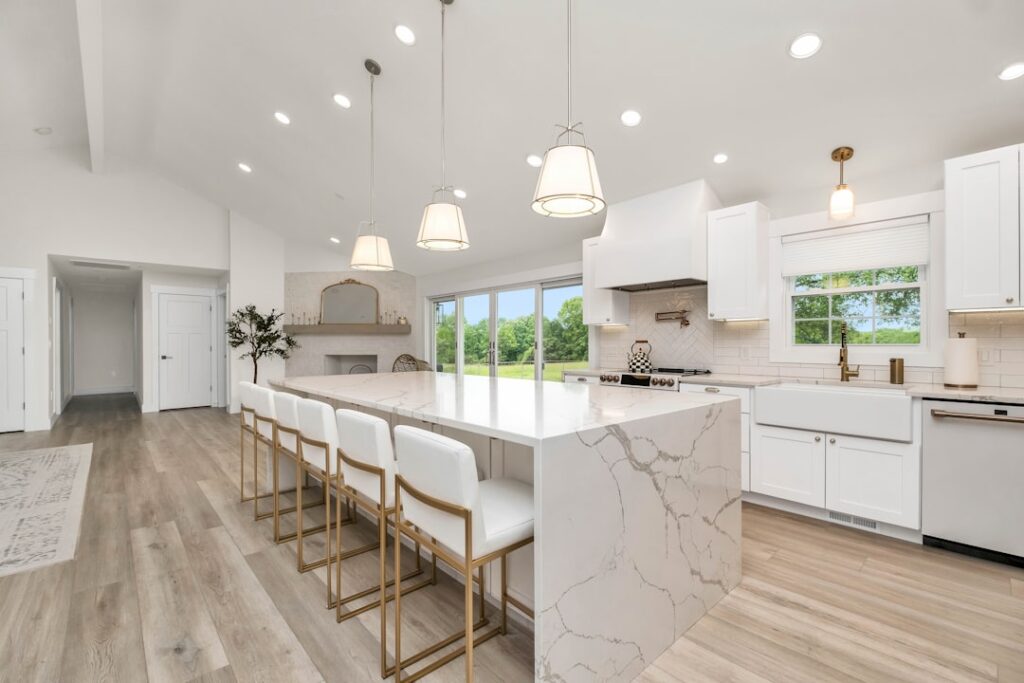
- Quartz (Cambria, Caesarstone, Silestone): $70 to $120 per sq ft
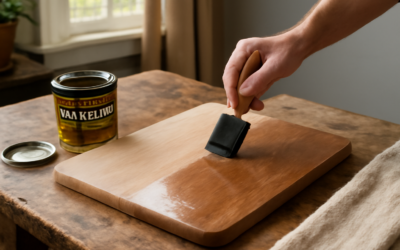
- Butcher block (Lumber Liquidators, IKEA Karlby): $25 to $55 per sq ft
- Granite remnant: $40 to $80 per sq ft
- Solid surface (Corian): $60 to $100 per sq ft
- Marble (Carrara remnant): $75 to $135 per sq ft
For a 5-foot island top, you only need about 18 square feet, which makes remnant shopping at local fabricators incredibly cost-effective. I have pulled $200 quartz remnants from MSI Surfaces that would have cost $1,400 as a full slab.
Lighting Inside and Above
An island without overhead lighting is a dim folding surface. Plan for either a 36 to 42 inch chandelier centered over the island, mounted 78 inches off the floor, or three recessed 4-inch LED downlights at 3000K color temperature for natural color rendering when matching outfits. The IRC requires bedroom and closet lighting to be controlled by a wall switch, so factor in an electrician for $200 to $600 unless you have existing circuit access.
Inside the drawers, motion-activated LED strips like Litever 39-inch USB-rechargeable lights at $20 each light the contents when you open them. They run for two to three weeks per charge with typical closet use.
Built-In Features Worth Adding
If you have budget, dedicate one cabinet for a pull-out hamper with two or three canvas bags for sorting whites, darks, and delicates. Rev-A-Shelf makes a triple hamper insert for around $180. A flip-up valet rod inside a top drawer holds tomorrow’s outfit. Even a single electrical outlet built into the side of the island for charging watches and Theragun batteries adds real daily utility, and an electrician will run a 20-amp circuit and outlet for about $250.
For tall closets, consider a pop-up mirror in the top of the island. Hafele makes a hydraulic lift mirror that rises to 18 inches above the surface and stows flat when closed. It runs about $400 and beats wall-mounting a mirror that blocks hanging space.
DIY vs Pro Build Costs
A DIY island built from three IKEA PAX or Sektion base cabinets with a butcher block top runs $1,200 to $1,800 in materials. Expect a full weekend of work and basic tool ownership. A semi-custom island from California Closets or Closets by Design runs $4,000 to $7,000 installed depending on finishes and drawer count. Fully custom millwork from a local cabinetmaker with figured wood, soft-close everywhere, integrated lighting, and a quartz top will land between $7,500 and $12,000.
For a master closet island that anchors a high-end primary suite, the middle tier delivers the best return. Pay for soft-close hardware, real plywood box construction, and a stone or quartz top, and skip the marketing upcharges on color matching and crown molding.
Common Planning Mistakes
Do not place the island so close to the door that it blocks sightlines from the bedroom. Leave at least 18 inches between the closet entry and the nearest island corner. Do not run a hamper drawer on the side facing the hanging rods; the open drawer will hit your clothes. And avoid floating the island without a permit conversation if your jurisdiction requires it. Most closets do not need permits for cabinetry, but adding electrical or lighting circuits triggers IRC code review and an inspection.
Resale and ROI Considerations
A well-built master closet island is one of the top three features driving primary suite resale value, according to the National Association of Home Builders 2025 buyer survey. Real estate agents in markets like Austin, Charlotte, and Phoenix routinely list custom closet systems as a feature in MLS listings priced above $750,000. Expect 60 to 80% cost recovery at sale, with higher returns in markets where buyers already expect built-in storage.
To maximize that ROI, match finishes to the rest of the primary suite. Soft white shaker cabinets work in most homes, while flat-panel walnut or rift white oak fits modern aesthetics. Avoid heavily themed finishes like distressed turquoise or high-gloss red, both of which polarize buyers and shorten time-on-market when you sell.