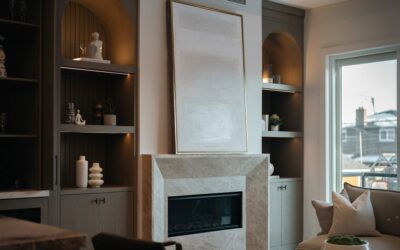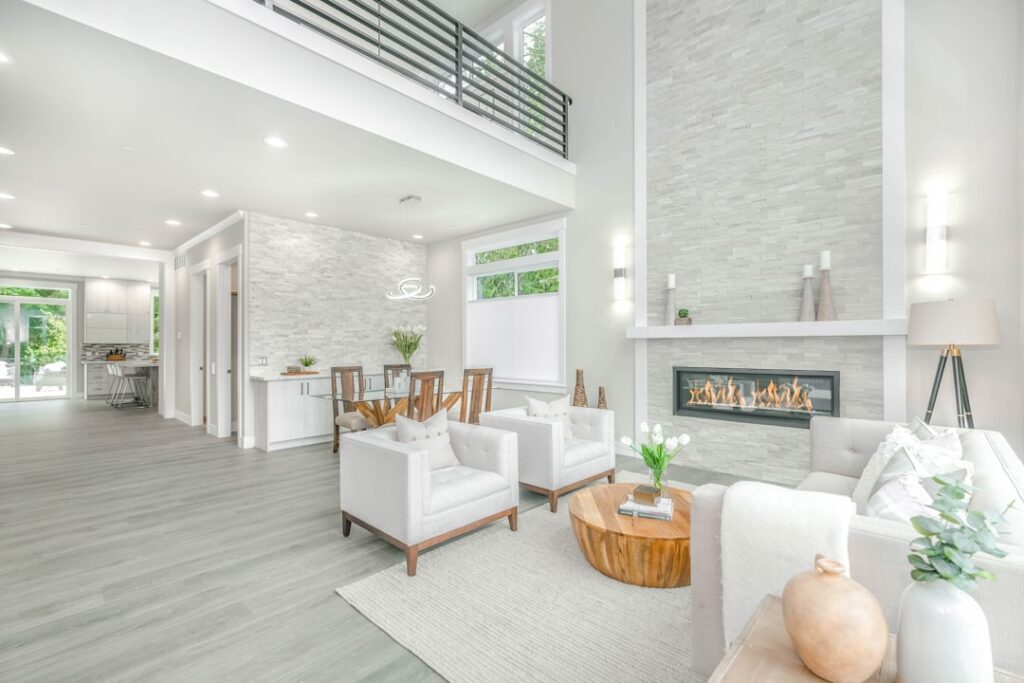
The most common reason curtains look cheap is not the fabric, it is the size. Measuring windows for curtains correctly is what separates panels that puddle elegantly from ones that hang flat, skimpy, and too short. The secret most people miss is that curtains should be measured for the rod and the room, not just the window opening. Hung wide and high with the right fullness, even budget panels look custom. Hung tight to the glass, expensive drapes look like an afterthought. Here is exactly how to measure for a polished, well-proportioned result.
Part of our Windows & Doors guide — explore the full guide →
- Tools You Need
- Where to Place the Rod First
- Measuring for Width and Fullness
- Measuring for Length
- Accounting for Heading Style
- Common Measuring Mistakes to Avoid
- Quick Reference Checklist
- Measuring for Different Mount Types
- How Many Panels Do You Need?
- Tips for Ordering Ready-Made vs. Custom
- Final Thoughts
Tools You Need
Keep it simple. You need a metal tape measure (cloth tapes sag and lie), a pencil and paper, and ideally a stepladder for tall windows. Measure to the nearest quarter inch and write down every number rather than trusting your memory. If you are buying multiple windows’ worth, label each measurement by room and window.
Where to Place the Rod First
Before measuring, decide where the rod will go, because every other measurement depends on it. Two rules make any window look larger and more elegant:
- Go high: mount the rod 4 to 6 inches above the window frame, or higher, splitting the distance to the ceiling. This draws the eye up and makes ceilings feel taller.
- Go wide: extend the rod 8 to 12 inches beyond each side of the frame. This lets panels stack off the glass when open, so the full window shows and more light comes in.
For a dramatic, modern look, mount the rod just below the ceiling or crown molding. Once you commit to rod position, measuring becomes straightforward.
Measuring for Width and Fullness
Curtain width is not the width of your window. It is the width of your rod, multiplied for fullness. Flat panels that exactly match the rod look stretched and sad. You want gathers.
- Measure the full width of the rod from end to end (between the finials).
- Multiply by your desired fullness: 1.5x for a light, casual gather, 2x for a standard rich fold, and up to 2.5x for a luxurious, full look.
- Divide by the number of panels to find the total flat fabric width each side needs.
For example, a 60-inch rod with 2x fullness needs about 120 inches of combined panel width, or two 60-inch-wide panels. Skimping on fullness is the number-one mistake homeowners make.
Measuring for Length
Length is measured from the rod (specifically where the curtain hangs from, such as the bottom of a ring) down to your chosen stopping point. Decide the look you want first:
- Sill length: ends right at the windowsill; casual, good for kitchens and bathrooms.
- Apron length: stops a few inches below the sill on the apron trim; practical and tidy.
- Floor length: hovers about 1/2 inch above the floor; the most common, clean look.
- Break or puddle: 1 to 3 inches longer for a soft break, or several inches more to puddle on the floor for drama.
Measure from the ring or hook position, not the top of the rod, because the heading and rings add height. Measure each window individually; floors and frames are rarely perfectly even.
Accounting for Heading Style
How the curtain attaches affects the finished height. Rod-pocket panels lose a little length to the pocket, while grommet and tab-top panels hang a few inches below the rod. Ring clips also drop the panel. When in doubt, measure to where the top of the finished curtain will actually sit and add a couple of inches of margin so you are not caught short.
Common Measuring Mistakes to Avoid
A handful of errors account for most disappointing results:
- Measuring only the window width instead of the rod width.
- Forgetting fullness and buying flat panels.
- Mounting the rod tight to the frame, which makes windows look small.
- Buying one-size-fits-all lengths without measuring to the floor.
- Assuming both sides of a window are identical when they often differ by an inch or more.
Quick Reference Checklist
Before you order, confirm you have: rod width end to end, desired fullness multiplier, total panel width per side, drop length from ring to floor or sill, and your heading style. With those five numbers, you can buy ready-made or order custom with confidence.
Done properly, measuring windows for curtains takes ten minutes and pays off every single day in how finished your room looks.
Measuring for Different Mount Types
Where the rod mounts changes your numbers. An outside mount, the most common, places the rod on the wall above and beyond the window frame, which is what the rules above assume. An inside mount sets the rod within the window recess for a clean, built-in look, often used with blinds or in spaces where panels cannot extend past the frame.
- Outside mount: measure rod width and add extension beyond the frame; length runs from above the frame to the floor or sill.
- Inside mount: measure the exact inside width and height of the recess; the rod and panels must fit entirely within it, so fullness is more limited.
Inside mounts demand precise measurements because there is no margin to hide a slightly off size. Measure the recess width at the top, middle, and bottom and use the smallest figure, since window openings are rarely perfectly square.
How Many Panels Do You Need?
A frequent point of confusion is how many panels to buy. For most windows, two panels, one drawing to each side, give a balanced look and the fullness you want. A very narrow window may use a single panel pulled to one side. Wide windows or sliding doors may need three or four panels to maintain proper fullness across the span. Remember that fullness is calculated on total flat panel width versus rod width, so always check that your chosen number of panels adds up to at least 1.5 to 2 times the rod length when laid flat.
Tips for Ordering Ready-Made vs. Custom
Ready-made curtains come in standard widths and a handful of stock lengths, typically 63, 84, 95, and 108 inches. Buy the length closest to but slightly longer than your measurement and have the bottom hemmed for a perfect fit; a tailor or a simple iron-on hem tape handles this easily. Custom curtains let you specify exact width, length, fullness, and heading, which is worth the added cost for unusual window sizes or a high-end look. Either way, your measurements are the foundation, so record them carefully and keep them for future reference.
Final Thoughts
Hang high, hang wide, and never skimp on fullness. Measure the rod rather than the glass, choose a deliberate length, account for your heading style, and confirm your mount type and panel count. Get those fundamentals right and your curtains will frame the window beautifully instead of disappearing into it.