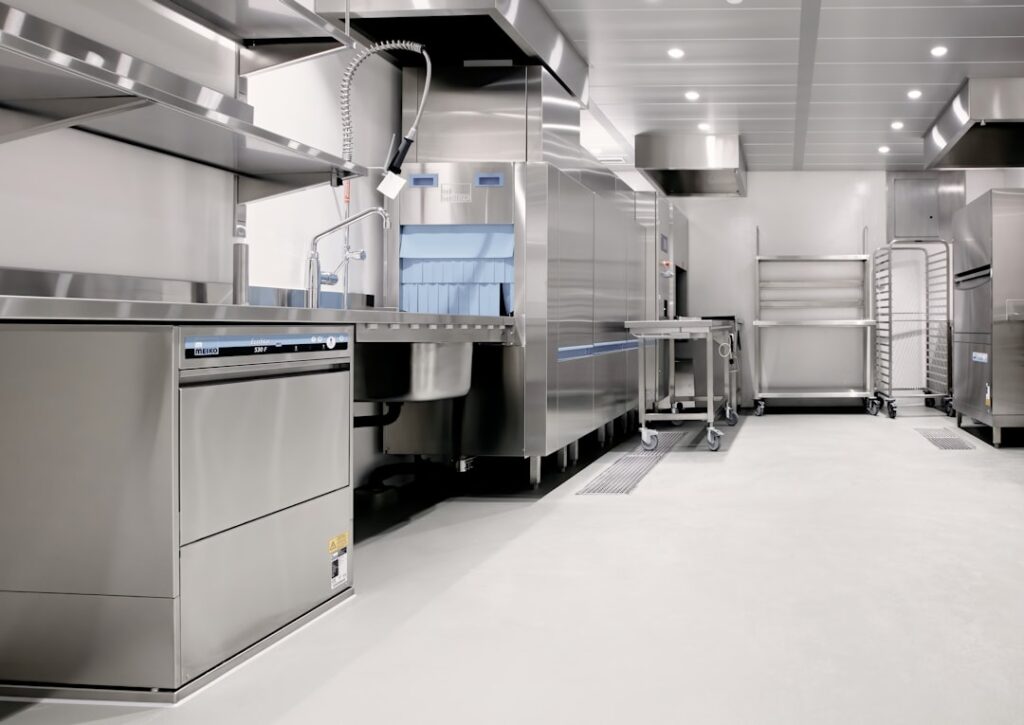
Metallic epoxy flooring turns a plain concrete slab into a show-stopping surface that looks like liquid metal, flowing lava, or polished marble. The finish is created by mixing metallic pigment powders into clear epoxy resin, producing a three-dimensional depth and movement that no other flooring material can replicate.
Once reserved for high-end commercial spaces and showrooms, metallic epoxy has surged in popularity among homeowners looking for a dramatic statement floor in garages, basements, kitchens, and living areas. Here is everything you need to know before committing to this striking finish.
What Is Metallic Epoxy Flooring?
Metallic epoxy is a multi-layer flooring system applied directly over concrete. The base coat is typically a solid-color epoxy primer that seals the concrete and provides a uniform foundation. The metallic coat is a clear or tinted epoxy mixed with metallic mica pigment powders that create the signature pearlescent, shimmering effect.
As the epoxy self-levels and cures, the metallic particles shift and settle in organic patterns. Installers can manipulate these patterns using rollers, brushes, leaf blowers, and heat guns to create swirls, waves, craters, and marbling effects. The final layer is a clear polyurethane or polyaspartic topcoat that adds scratch resistance and UV protection.
How Much Does Metallic Epoxy Flooring Cost?
Professional metallic epoxy installation ranges from $6 to $15 per square foot, depending on the complexity of the design, the number of colors, and your geographic location. For a standard two-car garage of 500 square feet, that translates to $3,000 to $7,500.
Cost Factors
Single-color metallic finishes sit at the lower end of the range, while multi-color custom designs with intricate manipulation push toward the upper end. Concrete preparation is a significant variable. Floors with cracks, stains, or previous coatings require more prep work, which adds $1 to $3 per square foot.
DIY metallic epoxy kits are available for $3 to $6 per square foot for materials, but the technique is far more demanding than standard garage floor epoxy. Inconsistent application leads to visible roller marks, uneven pigment distribution, and a finish that falls far short of professional results.
Pros of Metallic Epoxy Flooring
Unique, One-of-a-Kind Appearance
No two metallic epoxy floors look exactly alike. The way pigments settle and interact during curing creates patterns that cannot be precisely replicated. This means your floor is genuinely unique, which appeals to homeowners who want a custom look without the cost of exotic natural materials.
Seamless and Easy to Clean
Like all epoxy floors, metallic finishes are completely seamless. There are no grout lines, joints, or seams where dirt and bacteria can hide. Cleaning requires nothing more than a dust mop for daily maintenance and a damp mop with a mild cleaner for deeper cleaning.
Extreme Durability
When properly installed with a quality topcoat, metallic epoxy withstands heavy foot traffic, dropped tools, rolling carts, and chemical spills. The hardened surface resists scratches, stains, and impact damage far better than bare concrete, paint, or tile.
Moisture Resistant
The sealed surface repels water, oil, and other liquids. This makes metallic epoxy an excellent choice for garages, basements, and commercial kitchens where spills are frequent. It does not absorb stains the way untreated concrete does.
Cons of Metallic Epoxy Flooring
Slippery When Wet
The high-gloss finish that makes metallic epoxy so visually striking also makes it slippery when wet. This is a genuine safety concern in garages, entryways, and commercial spaces. Anti-slip additives can be mixed into the topcoat to improve traction, but they slightly reduce the glossy appearance.
Difficult to Install
Metallic epoxy is not beginner-friendly. The working time is limited, the manipulation technique requires experience, and mistakes are difficult to fix once the epoxy begins to cure. Most flooring professionals recommend against DIY metallic epoxy for anyone who has not previously worked with standard epoxy systems.
UV Sensitivity
Without a UV-stable topcoat, metallic epoxy can yellow or amber when exposed to direct sunlight. This is particularly relevant for outdoor applications or rooms with large south-facing windows. Always specify a UV-resistant polyaspartic or aliphatic polyurethane topcoat for sun-exposed areas.
Difficult to Repair
If the floor is damaged, blending a repair into the existing metallic pattern is nearly impossible. Scratches, chips, or worn areas stand out against the original finish. Significant damage may require recoating the entire floor.
Popular Color Combinations
Silver and charcoal produce a sleek, industrial look that works well in modern garages and commercial spaces. Pearl white and gold create a luxurious marble-like appearance ideal for living rooms and lobbies. Copper and bronze deliver warm, earthy tones that complement rustic or transitional design styles.
Blue and silver evoke a coastal or water-inspired theme popular in bathrooms and pool houses. Black and silver create a dramatic, moody atmosphere in entertainment rooms and man caves. Green and gold produce an exotic, emerald-like finish that stands out in any setting.
Where to Use Metallic Epoxy
Garages
Garages are the most popular location for metallic epoxy. The floor transforms a utilitarian space into a showpiece, especially for car enthusiasts who want their garage to look as polished as the vehicles parked in it. Hot tire pickup is not an issue with properly applied epoxy systems.
Basements
Metallic epoxy is an excellent basement flooring option because it seals the concrete against moisture vapor transmission. The reflective surface also brightens dim basement spaces by bouncing light around the room.
Retail and Commercial Spaces
Boutiques, restaurants, salons, and showrooms use metallic epoxy to create memorable first impressions. The floor doubles as a design element that attracts attention and reinforces brand aesthetics.
Kitchens and Living Areas
Homeowners with concrete slab construction are increasingly choosing metallic epoxy for main living spaces. It offers the wow factor of natural stone at a lower price point and with easier maintenance.
Installation Process Overview
Concrete Preparation
The concrete must be ground or shot-blasted to create a rough profile that the epoxy can bond to. All cracks, spalls, and divots are filled with epoxy mortar. Any existing coatings, sealers, or paints must be completely removed. This prep work is the most critical step and accounts for about 40 percent of the total installation time.
Primer Coat
A pigmented or clear epoxy primer is rolled onto the prepared concrete. This layer seals the surface and prevents air bubbles from rising through the metallic coat during curing.
Metallic Coat Application
The metallic epoxy is mixed and poured onto the primed surface, then spread with a notched squeegee and back-rolled for even distribution. Immediately after spreading, the installer manipulates the surface with various tools to create the desired pattern. This is where artistry meets chemistry, and the results depend heavily on the installer’s skill and timing.
Topcoat
After the metallic coat cures for 12 to 24 hours, a clear topcoat is applied for protection. Polyaspartic topcoats cure faster and offer better UV resistance than standard epoxy topcoats. Two coats of topcoat are recommended for high-traffic areas.
Maintenance Tips
Sweep or dust mop regularly to prevent grit from scratching the surface. Mop with warm water and a pH-neutral cleaner as needed. Avoid harsh chemicals like bleach, ammonia, and acidic cleaners that can dull the finish over time.
Place mats at entry points to catch dirt and debris before it reaches the floor. Use felt pads under furniture legs and avoid dragging heavy objects across the surface. With proper care, a metallic epoxy floor maintains its shine for 10 to 20 years before a topcoat refresh is needed.
Final Thoughts
Metallic epoxy flooring is one of the most visually dramatic options available for concrete surfaces. It combines artistic flair with industrial-grade durability, creating floors that function as both a practical surface and a design centerpiece. The investment is significant compared to standard epoxy, but the unique, one-of-a-kind result justifies the premium for homeowners who want flooring that truly stands out.