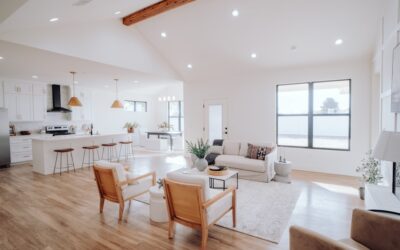
In my 20+ years of flooring experience, I’ve worked on dozens of mid-century modern homes — from pristine 1950s originals to contemporary builds inspired by the era. Getting the flooring right is essential to achieving an authentic MCM look, and I’ve learned exactly which materials, colors, and patterns work best. Whether you’re restoring a vintage home or creating a MCM-inspired space from scratch, this guide covers everything you need to know about choosing the perfect mid-century modern flooring.
What Defines Mid-Century Modern Flooring
Mid-century modern design, spanning roughly from the mid-1940s to the late 1960s, is characterized by clean lines, organic forms, and a strong connection between indoor and outdoor spaces. The flooring of this era reflected these principles in several key ways.
Key Characteristics
Authentic MCM flooring tends to feature warm, natural tones — think honey, amber, and walnut browns rather than gray or whitewashed looks. The emphasis is on natural materials, minimal visual interruption, and a seamless flow from room to room. Many original MCM homes used a single flooring material throughout the main living areas to create an unbroken visual plane, which was a deliberate architectural choice to make spaces feel larger and more connected.
Original Materials Used in MCM Homes
The most common original flooring materials I encounter in mid-century homes include white oak and walnut hardwood, terrazzo (especially in Florida and California), VCT (vinyl composition tile), linoleum, slate and flagstone in entryways, and cork in bedrooms and dens. Understanding these originals helps you choose materials that feel authentic whether you’re restoring or recreating the look.
Hardwood Flooring for MCM Homes
Hardwood is the quintessential mid-century modern flooring material, and it’s the one I recommend most often for MCM projects. The right wood species and finish can instantly establish the era’s warm, sophisticated aesthetic.
Best Wood Species
White oak is the most historically accurate choice for MCM homes. It was widely available and affordable during the post-war building boom, and its subtle grain pattern suits the era’s clean aesthetic perfectly. I recommend it with a medium-toned stain or a clear satin finish that lets the natural warmth come through.
Walnut is the premium MCM choice. Its rich, chocolate-brown color and flowing grain were featured in the finest mid-century homes and complement iconic MCM furniture beautifully. If your budget allows, walnut flooring paired with walnut furniture creates a stunning cohesive look.
Teak was another hallmark of the era, especially in higher-end homes. While genuine teak flooring is expensive today ($10-$15 per square foot), it offers an unmistakable MCM authenticity that’s hard to replicate with other materials.
Board Width and Layout
Original MCM homes typically featured narrow strip flooring — 2.25-inch boards laid in straight, parallel lines. This differs from today’s popular wide-plank trend. For an authentic look, I suggest 2.25- to 3.25-inch strips in a standard parallel layout. Avoid herringbone and chevron patterns, which lean more toward traditional or European aesthetics. If you prefer a more updated MCM look, 5-inch planks work well as a compromise between period accuracy and modern preference.
Finish Recommendations
For the most authentic MCM look, choose a satin or matte finish. High-gloss finishes read as too formal and traditional for the casual elegance that mid-century modern embodies. I prefer a penetrating oil finish or a low-sheen waterborne polyurethane. Avoid gray, whitewashed, or heavily distressed finishes — these belong to other design styles entirely.
Terrazzo Flooring
Terrazzo is deeply intertwined with mid-century modern architecture, particularly in the Sun Belt states. If you’re lucky enough to have original terrazzo under carpet or tile, restoring it is almost always the best option.
Why Terrazzo Is Quintessentially MCM
Terrazzo — a composite of marble, quartz, or glass chips set in a cement or epoxy binder — was the floor of choice for many MCM architects. Its seamless appearance, design flexibility, and extreme durability aligned perfectly with modernist ideals. Many of the most iconic MCM public buildings and homes featured custom terrazzo with specific chip colors and patterns.
Restoring Original Terrazzo
I’ve uncovered stunning original terrazzo floors hidden under layers of carpet and adhesive in numerous MCM homes. Restoration involves removing the covering material, grinding down the surface, filling any cracks or chips, and polishing to the desired sheen. Professional restoration typically costs $5 to $15 per square foot — far less than new terrazzo installation.
New Terrazzo Options
If you’re installing new terrazzo, expect to pay $15 to $50 per square foot for poured-in-place terrazzo. Terrazzo tiles are a more affordable option at $5 to $15 per square foot, and they capture the look without the premium price. For a budget-friendly alternative, terrazzo-look porcelain tiles have improved dramatically and can be almost indistinguishable from the real thing at $3 to $8 per square foot.
Vintage Vinyl and Linoleum
Many original MCM homes featured vinyl composition tile (VCT) or genuine linoleum, and these materials can be perfect for achieving an authentic vintage look in kitchens, laundry rooms, and bathrooms.
Linoleum: The MCM Classic
Genuine linoleum — made from linseed oil, cork powder, and natural pigments — was standard in many mid-century kitchens. Brands like Marmoleum still manufacture genuine linoleum in colors that work beautifully in MCM spaces. Avocado green, mustard yellow, turquoise, and terra cotta were all popular MCM-era colors, and you can still find them today. Linoleum costs $3 to $7 per square foot installed and is naturally antibacterial and sustainable.
VCT for Authentic Character
Vinyl composition tile in 12×12 squares was ubiquitous in MCM homes, and it remains inexpensive and readily available. You can create classic MCM checkerboard patterns or use a single color for a clean, period-correct look. VCT requires regular waxing, but that maintenance is part of its retro charm. It costs just $1 to $3 per square foot plus installation.
Tile Options for MCM Style
Tile plays an important role in MCM design, especially in bathrooms, entryways, and as accent features. The right tile can anchor your MCM aesthetic powerfully.
Geometric and Hexagonal Tile
Small hexagonal tiles, particularly in black and white, were common in MCM bathrooms. Penny round tiles and small square mosaics in bold, saturated colors also fit the era well. These patterns create the kind of visual interest that MCM designers loved — graphic and bold without being fussy.
Large-Format Floor Tile
For living areas, large-format tiles in earth tones — slate gray, terra cotta, sandstone — reflect the MCM connection to nature. Original MCM homes in the Southwest often featured flagstone or large slate tiles that flowed from interior to patio, blurring the line between indoors and out.
Brick Flooring
Brick pavers were used in many MCM homes, particularly in entryways and sunrooms. They add warmth and texture while maintaining the era’s earthy, natural palette. Modern thin-brick tiles make this look achievable without structural concerns about weight.
Polished Concrete
Polished concrete is a natural fit for mid-century modern homes, especially those with slab-on-grade construction common in MCM architecture. Many MCM homes were built on concrete slabs, so polishing the existing floor is both authentic and practical.
I’ve polished concrete floors in several MCM homes, and the results are always striking. The industrial-yet-refined look pairs beautifully with the era’s clean lines. Staining the concrete in warm amber or gray tones enhances the MCM feel. Costs range from $3 to $12 per square foot for polishing an existing slab, making it one of the most affordable MCM-appropriate options.
Cork Flooring
Cork was used in many original MCM homes, particularly in bedrooms and family rooms, for its warmth and sound-absorbing qualities. Today’s cork flooring comes in tiles and planks with a variety of natural patterns that suit MCM interiors well.
Cork’s natural warmth and organic texture align with MCM’s emphasis on natural materials, and it’s inherently comfortable underfoot. Modern cork floors cost $3 to $8 per square foot and come with durable finishes that are far more practical than the original products. The natural honey tones of cork complement MCM furniture and color palettes beautifully.
MCM Color Palettes and Patterns
Getting the color right is crucial for authentic mid-century modern flooring. The era had a distinct palette that differs from today’s popular neutrals.
Warm, Natural Tones
MCM flooring colors center on warmth: honey oak, amber walnut, golden teak, warm terra cotta, and natural cork. Gray-toned floors, white oak with gray stain, and cool-toned laminates do not read as mid-century modern. If you’re buying new flooring for an MCM home, always lean warm.
Bold Accent Colors
In kitchens and bathrooms, the MCM era embraced bold color — turquoise, avocado green, sunflower yellow, burnt orange, and coral. These colors work best in small doses: a colorful bathroom tile or a kitchen linoleum floor against otherwise neutral surfaces. I wouldn’t recommend bold-colored flooring in large living spaces, but in smaller rooms it adds authentic MCM personality.
Room-by-Room Recommendations
Living Room and Bedrooms
White oak or walnut hardwood in a satin finish is my top recommendation. For budget-conscious projects, a warm-toned luxury vinyl plank or quality laminate with a realistic wood grain can achieve a similar look at a fraction of the cost. Keep the floor consistent across these spaces for the seamless flow that MCM architecture demands.
Kitchen
Linoleum, VCT, or terrazzo are the most period-correct choices. For modern performance with MCM style, consider a warm-toned porcelain tile with a matte finish or LVP in a walnut or oak pattern. Avoid trendy hexagonal tiles or farmhouse-style patterns in the kitchen — keep it clean and simple.
Bathroom
Small mosaic tiles (penny rounds, hexagons, or 2×2 squares) in bold colors or classic black and white are the most MCM-appropriate bathroom floors. Terrazzo is another excellent choice. Consider a statement floor in turquoise or olive green with white fixtures for maximum MCM impact.
Entryway and Outdoor Transitions
Flagstone, slate, or large-format terra cotta tiles work well in entryways and transition spaces. The goal is to create a visual bridge between the outdoor landscape and the interior — a core MCM design principle. Continuing the entryway flooring to an adjacent patio or courtyard amplifies this effect.
Budget-Friendly MCM Flooring Tips
Achieving authentic MCM style doesn’t have to break the bank. Here are my best tips for getting the look on a budget:
- Refinish existing hardwood: If your MCM home has original hardwood, refinishing it ($3-$5/sq ft) is far cheaper than replacement and more authentic.
- Polish existing concrete: Many MCM slabs just need polishing, not covering.
- Use VCT: At $1-$3/sq ft, VCT is the most affordable period-correct option.
- Choose warm-toned LVP: Modern LVP in walnut or warm oak patterns captures the MCM feel for $3-$5/sq ft.
- Look for terrazzo-look porcelain: Much cheaper than real terrazzo but increasingly realistic.
Frequently Asked Questions
What type of flooring is most authentic for a mid-century modern home?
White oak or walnut hardwood with a satin finish is the most universally authentic MCM flooring choice. Depending on the region and style of your specific home, terrazzo, linoleum, cork, and flagstone are also historically accurate options. The key is choosing warm tones, natural materials, and maintaining consistent flooring across living spaces.
Should I use wide-plank or narrow-strip hardwood in an MCM home?
For strict historical accuracy, narrow strip hardwood (2.25 inches) is correct for most MCM homes built in the 1950s and 1960s. However, 3.25- to 5-inch planks work well for a slightly updated MCM look that still feels era-appropriate. I’d avoid anything wider than 6 inches, as that reads more as farmhouse or rustic contemporary.
Is gray flooring appropriate for mid-century modern design?
No, gray and cool-toned floors are not consistent with mid-century modern aesthetics. MCM design is rooted in warm, natural tones — honey, amber, walnut, and terra cotta. If you want a lighter floor, choose natural white oak with a clear finish rather than a gray stain. Gray floors belong to contemporary Scandinavian or industrial design styles.
How do I choose MCM-appropriate tile for a bathroom?
Look for small-format mosaics: penny rounds, hexagonal tiles, or 2×2-inch square tiles. Classic black and white is always safe, but bold single colors like turquoise, avocado green, or coral are even more authentically MCM. Avoid large-format tiles, subway tiles, and neutral marble looks in MCM bathrooms — these belong to other design aesthetics.
Can luxury vinyl plank look mid-century modern?
Yes, if you choose the right product. Select LVP that mimics walnut, warm oak, or teak with a matte finish and a realistic grain texture. Avoid gray tones, heavily distressed looks, or ultra-wide planks. Installed well with minimal transition strips and consistent throughout the main living space, warm-toned LVP can effectively capture the MCM aesthetic at a fraction of the cost of real hardwood.
Prefer to explore on your own?
See how new flooring looks in your actual room in seconds — free, no signup.
Try the free Floor Studio →