
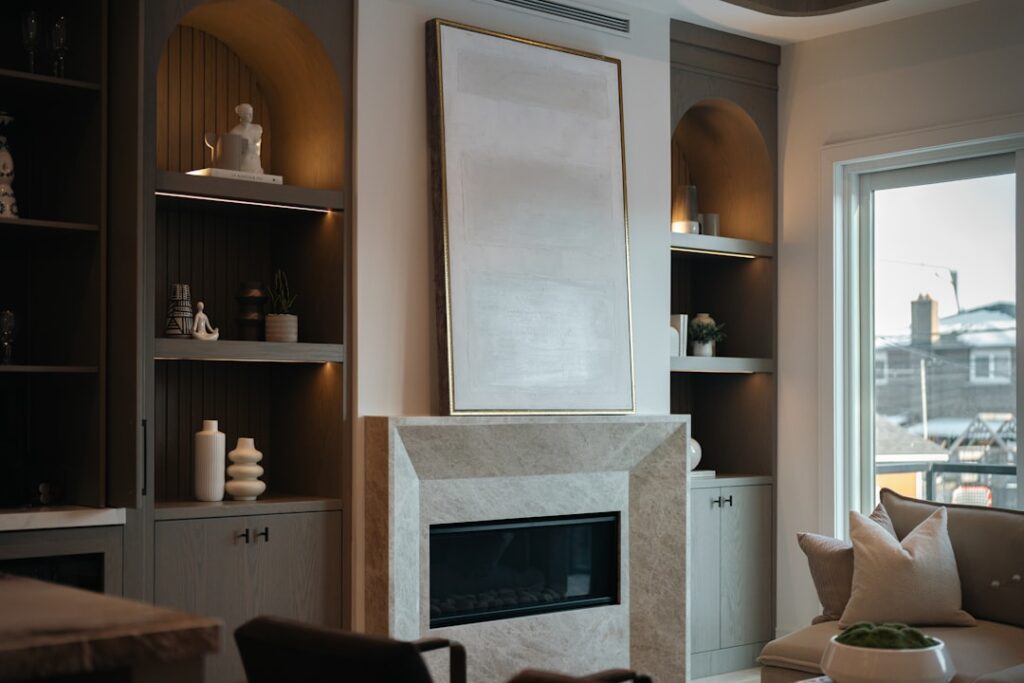
Built primarily between 1945 and 1969, the midcentury modern house remains one of the most sought-after architectural styles in the US real estate market. Eichler homes in California, Cliff May ranch houses, and Alexander Construction builds in Palm Springs regularly sell at premiums of 20-40% over comparable square footage in the same neighborhoods. Understanding what makes these homes special helps you renovate one correctly or capture the style in a new build.
Defining Features of Mid-Century Modern Architecture
Not every old ranch house qualifies as midcentury modern. The style has specific hallmarks that separate it from generic postwar construction.
- Flat or low-pitched rooflines — Often with wide overhangs extending 2-3 feet past the exterior walls
- Floor-to-ceiling windows — Walls of glass that blur the line between indoor and outdoor living spaces
- Post-and-beam construction — Exposed structural beams inside, eliminating the need for many interior load-bearing walls
- Open floor plans — Living, dining, and kitchen areas flow into each other without hallway separation
- Integration with landscape — Atriums, courtyards, and sliding glass doors that connect rooms directly to outdoor areas
- Minimal ornamentation — Clean lines, flat surfaces, and an absence of crown molding or decorative trim
Common Materials in Original Builds
Midcentury architects embraced industrial materials that postwar manufacturing made affordable. Concrete block, steel framing, plywood panels, and large panes of plate glass were standard. Flooring ranged from terrazzo and cork to radiant-heated concrete slabs.
Wood choices leaned toward warm tones: walnut, teak, and Philippine mahogany for cabinetry and paneling. Exterior siding mixed vertical board-and-batten with stone or brick accent walls. Many original homes used tongue-and-groove cedar on ceilings and soffits.
Renovating a Midcentury Modern House the Right Way
The biggest mistake buyers make is gutting original features to install generic contemporary finishes. That walnut paneling you want to paint white is exactly what drives the style’s value. Before tearing anything out, consult a midcentury-focused architect or join your local MCM preservation group for guidance.
Windows and Doors
Original single-pane windows are the most common energy weak spot. Replace them with thermally broken aluminum frames that match the original slim profiles. Milgard, Fleetwood, and Western Window Systems all offer lines designed for midcentury renovations. Expect $800-$1,500 per window installed, depending on size.
Flooring Choices
If the original terrazzo or concrete is intact, restore rather than cover it. Professional terrazzo grinding and resealing costs $3-$8 per square foot. For replacements, cork flooring and wide-plank white oak are period-appropriate. Avoid rustic or distressed finishes that clash with the clean aesthetic.
Kitchen Updates
Flat-panel cabinetry in walnut or white oak veneer stays true to the style. Pair it with quartz countertops in solid white or warm gray. Skip ornate hardware and choose simple bar pulls in brushed brass or matte black. Integrated appliances maintain the streamlined look these homes demand.
Exterior Restoration Priorities
Start with the roof. Many midcentury homes used built-up tar and gravel roofing that has long since exceeded its 20-year lifespan. A new TPO or modified bitumen membrane runs $5-$8 per square foot installed and gives you 25-30 years of protection.
Repaint or re-stain exterior wood using colors from the original midcentury palette: olive green, burnt orange, mustard yellow, charcoal, and desert sand. Benjamin Moore and Sherwin-Williams both publish curated midcentury color collections.
Landscaping That Complements the Style
Midcentury modern landscaping favors clean geometry and drought-tolerant plantings. Gravel beds, concrete stepping stones, and specimen plants like agave, bird of paradise, and ornamental grasses all fit the era. Avoid overgrown English garden looks or heavy foundation plantings that hide the architecture.
Hardscaping materials should match the house. Exposed aggregate concrete, flagstone, and decomposed granite pathways maintain visual consistency. If the home features a breeze block screen wall, restore or replicate it rather than replacing it with a standard fence.
Energy Efficiency Upgrades
Those beautiful glass walls create serious heat gain in summer and heat loss in winter. Beyond window replacement, add insulation to the roof cavity (many originals had little or none) and install a mini-split heat pump system that avoids bulky ductwork. Ceiling fans on exposed beams are both functional and aesthetically correct for the period.
Solar panels integrate well with flat midcentury rooflines since they sit nearly flush and are invisible from street level. A 6 kW system typically costs $12,000-$18,000 before federal tax credits and can offset most of the cooling costs that large windows generate.
What a Midcentury Modern House Costs Today
Prices vary wildly by market. In Palm Springs, a classic Alexander home starts around $500,000 and can exceed $2 million for restored architect-designed models. In the Midwest and Southeast, midcentury modern houses often sell for $200,000-$400,000, making them an attainable entry point into the style.
Budget $50,000-$150,000 for a respectful whole-house renovation on a typical 1,500-2,000 sq ft home. The largest line items are usually windows, roofing, and kitchen work. Homes with intact original features need far less investment and command stronger resale premiums from buyers who value authenticity.


