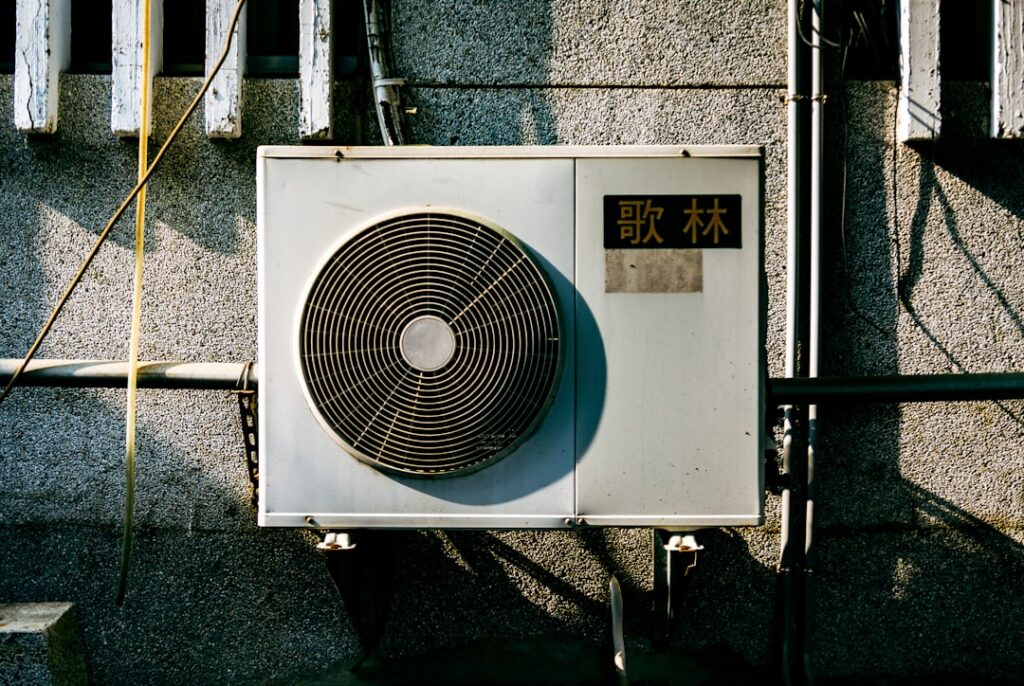
Mini split heat pumps deliver both heating and cooling from a single ductless system, moving heat between the inside and outside of your home instead of burning fuel or running electric resistance coils. As energy costs climb and federal incentives make efficient electric heating more attractive, these systems have surged in popularity across the United States, even in cold northern climates once thought off-limits to heat pumps. Understanding how they work, what they cost, and how modern cold-climate models perform helps you decide whether one fits your home.
- How a Heat Pump Heats and Cools
- What Makes It a Mini Split
- Cold-Climate Performance
- Efficiency Ratings to Understand
- Cost to Purchase and Install
- Federal Tax Credits and Rebates
- Sizing for Your Home
- Comparing to Other Heating Options
- Common Mistakes to Avoid
- How Defrost and Backup Heat Work
- Understanding Your Electric Bill Impact
- Choosing a Brand and Warranty
- Is a Mini Split Heat Pump Right for You?
How a Heat Pump Heats and Cools
A heat pump is a remarkably efficient machine because it does not create heat, it moves it. In cooling mode it works like an air conditioner, absorbing heat from indoor air and releasing it outside. In heating mode it reverses the refrigerant flow, pulling heat from the outdoor air, even air that feels cold to you, and delivering it indoors. Because it moves existing heat rather than generating it, a heat pump can deliver two to four units of heat for every unit of electricity it consumes, an efficiency no furnace or electric baseboard can match.
What Makes It a Mini Split
A mini split is a ductless heat pump. An outdoor compressor connects through slim refrigerant lines to one or more indoor air-handling units mounted on walls or ceilings, with no ductwork in between. This design avoids the 20 to 30 percent energy loss that ducted systems suffer through leaks, and it allows room-by-room zoning so you heat and cool only the spaces you use. A single-zone system serves one room; a multi-zone system links several indoor heads to one outdoor unit for whole-home comfort.
Cold-Climate Performance
The old belief that heat pumps quit working in the cold is outdated. Modern cold-climate mini split heat pumps, often labeled hyper-heat or H2i, use enhanced inverter compressors and are engineered to deliver full or near-full heating capacity at temperatures as low as minus 5 degrees Fahrenheit, and to keep producing usable heat down to minus 15 or lower. Brands like Mitsubishi Hyper-Heat and Daikin Aurora are proven in Minnesota, Maine, and Canadian winters. For the coldest snaps, homeowners often keep a backup heat source, but many northern households now run a cold-climate heat pump as their primary system.
Efficiency Ratings to Understand
Two numbers tell you how efficient a mini split is:
- SEER2 measures cooling efficiency; higher is better. Quality units range from 18 to over 30.
- HSPF2 measures heating efficiency; look for 9 or higher for strong cold-weather value.
The inverter-driven compressor is the key technology. Instead of cycling fully on and off like a conventional system, it ramps its speed up and down to match demand, holding a steady temperature while minimizing energy use. This is why mini splits feel more comfortable, no big temperature swings, and cost less to run than older systems.
Cost to Purchase and Install
A single-zone mini split heat pump typically runs $2,000 to $5,000 installed, while multi-zone systems range from $4,000 to $10,000 or more depending on the number of indoor heads and the capacity. Cold-climate models command a premium over standard units but pay it back in northern heating bills. Installation includes mounting, refrigerant line runs, a dedicated electrical circuit, and a professional vacuum-and-charge of the system. The equipment is only part of the cost; skilled installation is what determines longevity and efficiency.
Federal Tax Credits and Rebates
Because they are highly efficient electric systems, mini split heat pumps qualify for significant financial incentives. Under current federal energy legislation, homeowners can claim a tax credit of 30 percent of the cost of a qualifying heat pump, up to $2,000 per year. On top of that, many states and utilities offer rebates that can add hundreds or thousands more, and income-qualified households may access additional point-of-sale discounts. Always verify that the specific model meets the required efficiency thresholds, and keep the manufacturer’s certification and your receipts. These incentives can dramatically reduce the effective cost.
Sizing for Your Home
Correct sizing is essential. An oversized heat pump short-cycles, cooling or heating the air quickly but running too briefly to control humidity or maintain even temperatures; an undersized one runs constantly and struggles in extreme weather. Capacity is measured in BTUs, with a rough guideline of 20 BTU per square foot, adjusted for insulation, ceiling height, window area, and climate. For multi-zone systems and cold climates, have a professional perform a Manual J load calculation rather than guessing. Right-sizing is the difference between a system that delights and one that disappoints.
Comparing to Other Heating Options
Against common alternatives, mini split heat pumps stack up well:
- vs. electric baseboard: a heat pump uses roughly one-third the electricity for the same heat, cutting bills sharply.
- vs. a gas furnace: a heat pump adds cooling in one system and avoids combustion, though gas may still win on operating cost where gas is very cheap.
- vs. window ACs and space heaters: quieter, far more efficient, and permanently installed.
For homes without ducts, additions, and electric-heat households, the heat pump is often the clear winner on both comfort and cost.
Common Mistakes to Avoid
- Buying a standard unit for a cold climate. Choose a cold-climate hyper-heat model if you rely on it for winter heat.
- Oversizing. Bigger is not better; it hurts comfort and efficiency.
- Neglecting the filters. Dirty filters slash efficiency; clean them monthly in heavy use.
- Skipping the rebate paperwork. Leaving thousands in incentives on the table is a costly oversight.
- Poor head placement that blocks airflow and creates hot and cold spots.
How Defrost and Backup Heat Work
In heating mode during cold, damp weather, frost naturally forms on the outdoor coil as it pulls heat from the air. To handle this, heat pumps run a periodic defrost cycle, briefly reversing to warm the outdoor coil and melt the ice, which is normal and lasts only a few minutes. You may notice steam rising from the outdoor unit and a short pause in indoor heating during defrost. In the coldest climates, some homeowners pair a heat pump with a backup heat source for the few days a year temperatures plunge below the unit’s efficient range. This can be existing electric resistance strips, a gas furnace in a dual-fuel setup, or simply a wood stove. Modern cold-climate models need backup far less often than older units, but having a plan for extreme cold ensures comfort during the worst of winter without oversizing the heat pump.
Understanding Your Electric Bill Impact
Switching to a heat pump changes how and when you use electricity, and it helps to know what to expect. Because the heat pump does both heating and cooling, your gas or oil bill may drop or disappear while your electric bill rises, but the total energy cost usually falls thanks to the heat pump’s efficiency. The savings are largest when replacing electric resistance heat, baseboards or a furnace with electric strips, where a heat pump uses roughly a third of the electricity for the same warmth. Against cheap natural gas, the operating-cost comparison is closer and depends on local utility rates. Time-of-use electric plans and the steady, low-draw operation of an inverter compressor can further shape your bill. Reviewing your current energy costs and local rates before buying gives you a realistic picture of the payback period.
Choosing a Brand and Warranty
Brand choice affects performance, reliability, and long-term support. Premium manufacturers like Mitsubishi and Daikin lead in cold-climate performance, quiet operation, and warranty coverage, often 10 or 12 years on the compressor when professionally installed and registered, and they have strong dealer networks for service. Fujitsu and LG offer excellent mid-to-upper-tier systems. Value brands such as Pioneer, MRCOOL, and Senville cost noticeably less and perform well in moderate climates, with MRCOOL’s DIY line appealing to hands-on homeowners. Whatever brand you pick, professional installation and warranty registration usually unlock the longest coverage, and a quality installer matters as much as the equipment itself. Read the warranty terms carefully, since coverage often depends on registration within a set window and on installation by a licensed contractor.
Is a Mini Split Heat Pump Right for You?
If you want efficient heating and cooling in one system, live in a home without ductwork, are replacing costly electric-resistance heat, or simply want to lower your carbon footprint and energy bills, mini split heat pumps are among the best options available today. Modern cold-climate models make them viable almost everywhere in the country, and generous federal and utility incentives soften the upfront cost. Size the system correctly, choose a model matched to your climate, and let a certified installer handle the refrigerant work, and you will enjoy quiet, efficient, year-round comfort for 15 to 20 years.