A 1985 single-wide with the original metal pan roof leaks at every seam screw by year thirty, and the cost to replace it varies more wildly than almost any other home improvement decision you will make. Mobile home roofing options span from $1.50 per square foot for a roll-on coating to over $9 per square foot for a standing-seam metal install, and the right pick depends on your roof pitch, your climate zone, and how long you plan to own the home. Most mobile homes have low-slope roofs under 2:12 pitch, which immediately rules out shingles unless you re-frame to add slope, and that single fact catches owners off guard at quote time.
Understanding Mobile Home Roof Types
Pre-1976 mobile homes typically have flat metal pan roofs with exposed fastener seams. HUD-code manufactured homes built after 1976 may have shallow gable roofs from 1:12 to 3:12 pitch with rolled fiberglass or asphalt shingles. Newer 2000s and later double-wides often arrive with conventional 4:12 pitch and full asphalt shingles.
The pitch matters because most roofing materials carry minimum slope requirements under the manufacturer’s warranty. Asphalt shingles from GAF, Owens Corning, and CertainTeed require 2:12 minimum, and below 4:12 you need a double layer of felt underlayment. Below 2:12 you must use a continuous membrane like TPO, EPDM, or a fluid-applied coating.
Roof-Over with TPO Single-Ply
TPO (thermoplastic polyolefin) is the most common option for low-slope mobile homes. A 60-mil GAF EverGuard or Carlisle Sure-Weld system installed by a certified contractor runs $4.50 to $6.50 per square foot. The white reflective surface drops summer attic temperatures by 25 to 40 degrees, which slashes cooling bills in southern climates where mobile homes proliferate.
TPO seams are heat-welded with a hot-air gun at around 1,100 degrees Fahrenheit, which creates a continuous membrane stronger than the sheet itself. Warranties run 15 to 25 years from the manufacturer. The drawback is installation skill; a poor weld leaks within two seasons.
EPDM Rubber Membrane
EPDM is the black rubber roof you see on many commercial buildings, and it works well on mobile homes too. Carlisle and Firestone EPDM at 60-mil thickness costs $4 to $5.50 per square foot installed. The material handles temperature swings from minus 40 to 300 degrees without cracking, which makes it the best pick for northern climates.
EPDM uses chemical splice tape at seams rather than heat welding. The installation forgives novice mistakes better than TPO. The downside is the black surface absorbs heat and raises attic temperatures in summer, so it is best paired with R-38 attic insulation or higher.
Roof Coatings for Existing Metal Pans
If your existing metal roof is structurally sound but leaking at seams and screws, an elastomeric roof coating is the cheapest fix. Henry 587 Tropi-Cool at $135 for a 4.75-gallon pail covers about 200 square feet at the required 1.5-gallon-per-100-square-foot rate. Total cost for DIY application runs $1.50 to $2.50 per square foot including primer, fabric reinforcement at seams, and the coating itself.
Coatings last 7 to 15 years depending on UV exposure and how thick you build the system. Apply at temperatures above 50 degrees with no rain in the 48-hour forecast. Skip the cheap acrylic coatings under $50 a pail; they chalk and fail within three years on a mobile home.
Metal Roof-Over Systems
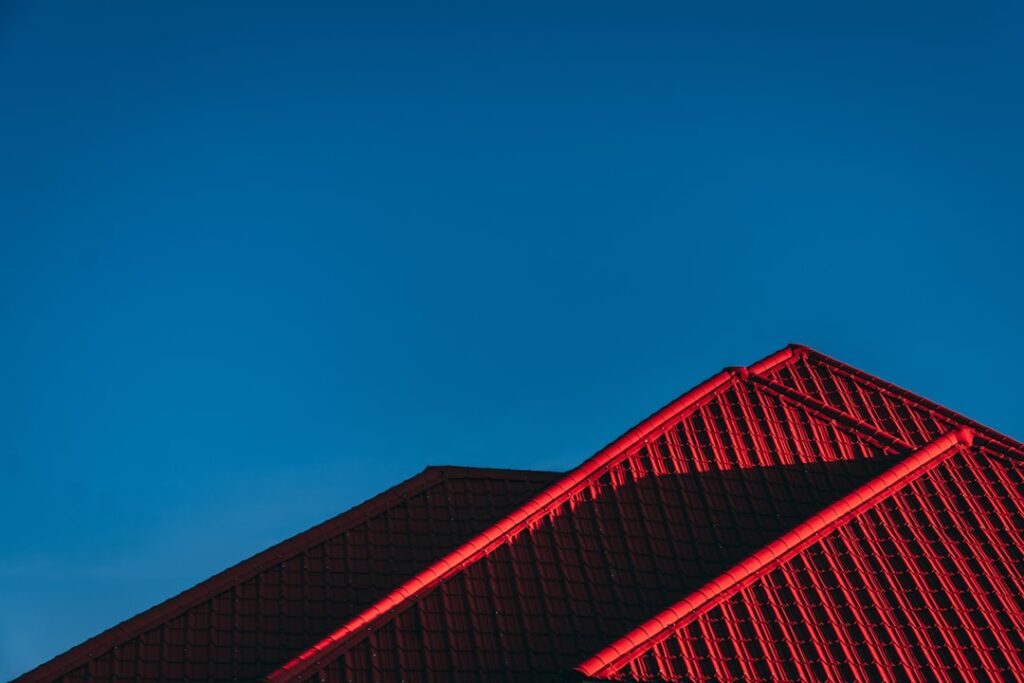
A new corrugated or standing-seam metal roof over the existing structure is the most durable mobile home roofing option. Mueller Inc. and McElroy Metal sell 26-gauge painted steel with Galvalume coating for $3 to $5 per square foot in material; installed costs run $7 to $9 per square foot.
Standing-seam systems with concealed clips and Kynar 500 paint finishes carry 40-year warranties on the paint and 50 years on the substrate. The R-panel exposed-fastener style is cheaper at $5 to $7 per square foot installed but uses neoprene-washer screws that need replacement every 15 to 20 years.
Metal roofs over manufactured homes need engineered fastener patterns. Most installers use 1.5-inch self-drilling screws at 12-inch spacing on the seam and 24-inch in the field, anchored into the original roof rafters not just the decking.
Asphalt Shingles on Higher-Pitch Homes
If you own a newer double-wide with 4:12 pitch or steeper, you can install standard architectural asphalt shingles. GAF Timberline HDZ at $35 per bundle covers 33.3 square feet; installed cost runs $4.50 to $6 per square foot with 30-year warranty.
Pull a permit through your county. Mobile homes still require permits in most jurisdictions, and an unpermitted roof can void your homeowner’s insurance after a claim. The 2021 International Residential Code section R905 governs shingle installation for all pitches.
Choosing Based on Climate
Hot southern climates (Florida, Texas, Arizona) favor white TPO or reflective metal with Kynar Cool Roof colors. The ENERGY STAR cool roof rating must show solar reflectance above 0.65 to qualify for utility rebates, which run $0.10 to $0.20 per square foot in many states.
Cold northern climates (Minnesota, Maine, Montana) favor EPDM or darker metal that sheds snow loads. The 2018 IBC requires 30 to 70 pounds per square foot snow load capacity depending on county; verify your manufactured home’s roof rating before adding heavy material.
Coastal hurricane zones (Florida panhandle, Carolinas, Gulf Coast) need wind-rated systems tested to ASTM D3161 Class F (110 mph) or Class H (150 mph). Mobile home parks in Miami-Dade County require the High-Velocity Hurricane Zone testing under Florida Building Code.
Budget Range and Final Recommendations
For a typical 14 by 70 single-wide (980 square feet), expect total project costs from $1,500 for a DIY coating to $8,800 for a professional metal roof-over. Double-wides at 28 by 70 (1,960 square feet) run $3,000 to $17,600 depending on system. Get three written quotes, verify the contractor carries a state license and general liability of at least $1 million, and never pay more than 10 percent upfront.