Carpet has shed its dated reputation and returned as a design centerpiece, and following modern carpet trends is the fastest way to make a room feel current, warm, and intentional. Today’s modern carpet trends lean into rich texture, nature-inspired color, and smarter fibers that stand up to real life, giving homeowners far more creative range than the beige wall-to-wall of decades past. Here is what is defining carpet style right now and how to use it.
- Warm Neutrals Replace Cool Grays
- Pattern and Texture Take Center Stage
- Bold Color Makes a Comeback
- Sustainable and Healthier Fibers
- Carpet Tiles and Modular Flooring
- Softer, More Comfortable Underfoot
- Stain-Resistant Technology Goes Mainstream
- Biophilic and Nature-Inspired Palettes
- Layered Looks With Area Rugs
- Choosing Trends That Last
Warm Neutrals Replace Cool Grays
The all-gray era is fading. Designers are trading cool, silvery tones for warmer neutrals such as greige, mushroom, oatmeal, soft camel, and warm taupe. These hues feel inviting rather than sterile and pair beautifully with the wood tones and earthy accents dominating interiors.
Warm neutrals also photograph well and resist looking dated, which matters if you plan to sell within a few years. They provide a flexible backdrop that lets you swap accent colors in pillows and art without reworking the floor.
Pattern and Texture Take Center Stage
Flat, uniform plush is giving way to dimensional surfaces. Patterned loop carpets, cut-and-loop sculpting, and subtle geometric designs add visual interest underfoot without shouting for attention. These textures do double duty by masking footprints, vacuum marks, and light soiling between cleanings.
- Tonal geometrics: Diamonds, trellises, and pin-dots in a single color family for quiet sophistication.
- Sisal and natural weaves: Carpet that mimics jute and sisal delivers organic texture with softer comfort.
- Sculpted high-low pile: Loop-height variation that catches light and adds depth.
- Ribbed and linear patterns: Clean lines that make narrow rooms and hallways feel longer.
Bold Color Makes a Comeback
While neutrals rule the main living areas, homeowners are getting adventurous in bedrooms, home offices, and media rooms. Deep forest green, navy, terracotta, ochre, and moody plum are showing up as statement floors that ground a space and add personality.
Because a bold carpet is a bigger commitment than a painted wall, most designers recommend keeping the walls and furnishings restrained so the floor can shine. A saturated carpet in a smaller room also feels cozy and enveloping, which suits spaces meant for relaxation.
Sustainable and Healthier Fibers
Environmental awareness is reshaping what carpet is made from and how it is produced. Recycled-content nylon, carpet spun from reclaimed fishing nets and plastic bottles, and renewable wool are all gaining ground. Buyers increasingly ask about low-VOC (volatile organic compound) options and certifications that confirm cleaner indoor air.
Look for the Carpet and Rug Institute’s Green Label Plus certification, which verifies low emissions. Triexta fibers derived partly from corn glucose and solution-dyed constructions that use less water round out the eco-friendly picture. These choices often cost only slightly more, roughly 10 to 20 percent above conventional options, while delivering better durability and stain resistance.
Carpet Tiles and Modular Flooring
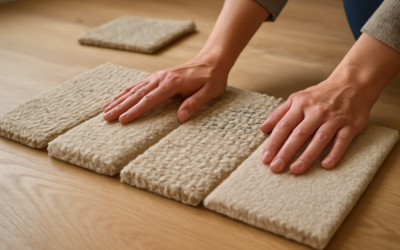
Once confined to offices, modular carpet tiles have moved into homes, especially basements, playrooms, and rental units. Sold in 18-by-18-inch or 24-by-24-inch squares, they let you mix colors, create custom patterns, and replace a single stained tile instead of a whole room.
Peel-and-stick and interlocking versions make carpet tiles a genuine do-it-yourself project, with material running $2 to $5 per square foot. The ability to lift and wash or swap individual tiles is a major draw for households with kids and pets, and it makes carpet a practical choice even in spaces once reserved for hard flooring.
Softer, More Comfortable Underfoot
Comfort is a defining priority, and manufacturers have responded with ultra-soft fiber technologies that feel luxurious without sacrificing durability. Finer denier yarns and advanced twisting create a silky hand that holds up to traffic better than the delicate soft carpets of a decade ago.
Pairing these plush surfaces with a quality cushion in the 6 to 8 pound density range maximizes the feel and extends the life of the carpet. The result is a floor that invites bare feet and floor seating, aligning with the broader move toward cozy, livable interiors.
Stain-Resistant Technology Goes Mainstream
Performance is no longer a luxury feature. Solution-dyed fibers, where color is locked into the yarn before it is spun rather than applied afterward, resist bleaching from spills and even mild household cleaners. Built-in stain and soil protection now comes standard on many mid-range lines rather than as a costly add-on.
This shift is what makes bold colors and lighter neutrals practical for families. A spilled glass of red wine or a muddy paw print that once meant a permanent mark can now be blotted away, which frees homeowners to choose style without constant anxiety. When comparing products, ask whether the protection is topical, which wears off over time, or built into the fiber, which lasts the life of the carpet.
Biophilic and Nature-Inspired Palettes
The broader design world’s fascination with bringing the outdoors in has reached the floor. Carpets in mossy greens, sky and denim blues, sandy beiges, and clay-toned rusts echo natural landscapes and create a calming, grounded atmosphere. Textures that suggest grass, stone, or woven plant fiber reinforce the organic feel.
These palettes pair naturally with houseplants, rattan furniture, linen upholstery, and unfinished wood, all staples of the current relaxed, wellness-focused interior movement. Because the colors are drawn from nature, they tend to age gracefully rather than feeling tied to a single season.
Layered Looks With Area Rugs
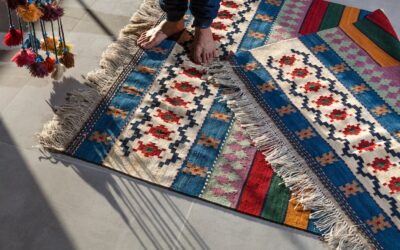
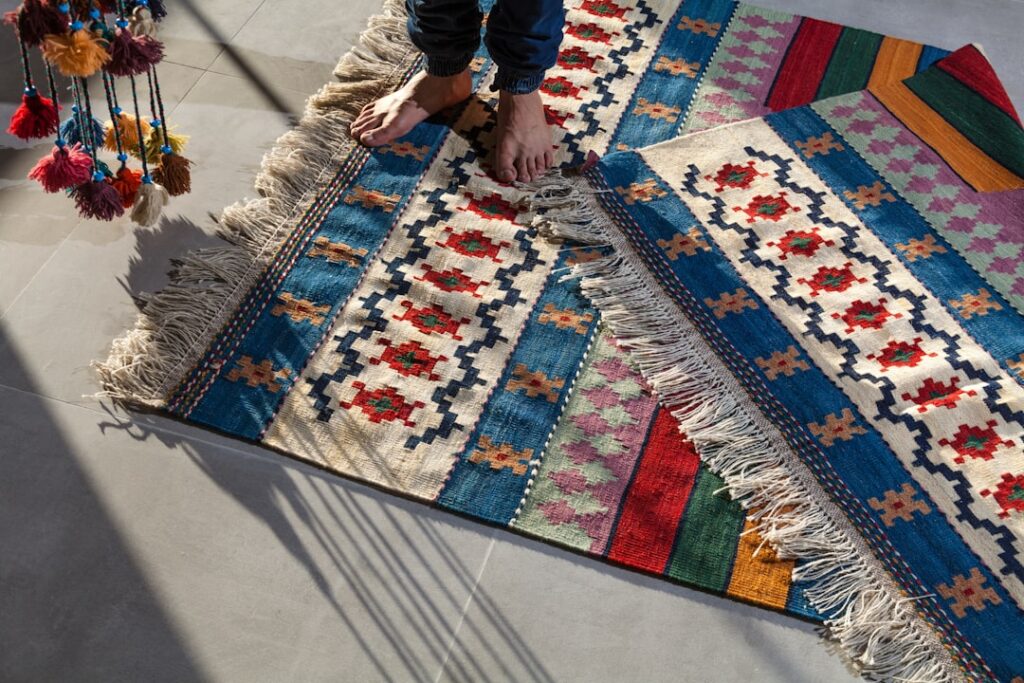
Even in carpeted rooms, layering an area rug over wall-to-wall carpet is having a moment. A flatweave or patterned rug over a neutral carpet defines a seating area, introduces color, and adds a designer-curated feel. This approach also lets renters and cautious homeowners experiment with trends without a permanent commitment.
Keep textures compatible: a low-pile rug sits best over a low-pile carpet, and a rug pad rated for carpet-over-carpet use prevents sliding. The layered look bridges the warmth of carpet with the pattern possibilities of rugs.
Scale the rug generously. A too-small rug floating in the center of a room looks like an afterthought, while a rug large enough to tuck under the front legs of the sofa and chairs anchors the seating group and reads as an intentional design choice. This trick works especially well in open-plan homes, where a large layered rug can visually separate a living zone from an adjacent dining or reading area without adding walls.
Choosing Trends That Last
Trends are useful, but the smartest purchases balance current style with longevity. Reserve of-the-moment bold colors and dramatic patterns for smaller or easily changed spaces, and lean on warm neutrals and quality textured constructions for large, high-traffic areas you will not want to replace soon.
Prioritize fiber quality, stain resistance, and the right density cushion over chasing a look that may feel dated in five years. Order samples, view them in your own lighting across the day, and consider how the carpet coordinates with your existing furnishings. A trend-aware but durable choice delivers the best of both worlds: a room that feels fresh today and still looks intentional a decade from now.