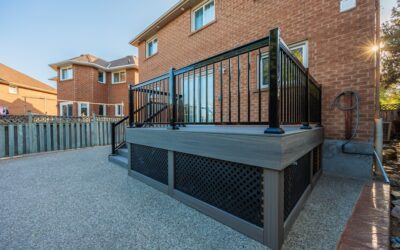
The railing is the first thing your eye lands on when you look at a deck, and nothing dates an outdoor space faster than clunky, view-blocking balusters. A modern deck railing flips that equation, using slim profiles, open sightlines, and clean materials to make the deck feel larger, brighter, and more connected to the yard beyond. Whether you want the near-invisible look of cable, the transparency of glass, or the crisp geometry of horizontal metal, this guide covers the popular styles, the materials, and the safety rules that keep your sleek railing both beautiful and code-compliant.
Part of our Decks & Outdoor guide — explore the full guide →
- What Makes a Railing "Modern"
- Popular Modern Railing Styles
- Choosing the Right Material
- Code and Safety Requirements
- Cable Railing Installation Notes
- Matching the Railing to Your Deck
- Maintenance Expectations
- Post Options and Spacing
- Combining Materials for a Custom Look
- Cost Considerations
- Final Thoughts
What Makes a Railing “Modern”
Modern deck railing is defined by minimalism and openness. Instead of chunky wooden balusters spaced closely together, modern systems use thin cables, glass panels, or horizontal lines that preserve the view rather than fence it off. The palette leans toward metal, glass, and composite in neutral tones, black, gray, white, and clear, with clean lines and a lack of ornamentation. The goal is a railing that provides safety while nearly disappearing, so the deck feels open to the landscape.
Popular Modern Railing Styles
Cable Railing
Horizontal stainless-steel cables strung between posts create an almost transparent barrier. Cable railing is the signature modern look: it preserves views, resists weather, and pairs beautifully with wood or metal posts. It requires proper tensioning to stay taut and code-compliant, and the cables must be spaced closely enough to meet safety rules.
Glass Railing
Tempered or laminated glass panels offer an unobstructed view and a clean, upscale appearance, ideal for decks with a great view or waterfront settings. Framed glass uses metal channels around each panel, while frameless systems clamp the glass with minimal hardware for the sleekest look. Glass shows water spots and needs regular cleaning, but nothing beats it for transparency.
Horizontal Metal Railing
Slim horizontal metal bars or slats deliver a crisp, contemporary geometry. Aluminum and steel are common, often powder-coated in matte black. This style is durable, low-maintenance, and strongly modern, though horizontal members must be designed so they cannot be climbed like a ladder in homes with young children, or spaced to satisfy code.
Composite and Aluminum Systems
Prefabricated railing systems in composite or aluminum offer a modern look with easy installation and minimal upkeep. Slim aluminum balusters in black give a clean vertical rhythm that reads as modern while satisfying baluster-spacing codes easily.
Choosing the Right Material
- Aluminum: Lightweight, rust-resistant, low-maintenance, and available in sleek powder-coated finishes. A top choice for modern railings.
- Stainless steel: Strong and corrosion-resistant, the standard for cable railing hardware and posts.
- Glass: Tempered for safety, offering unmatched transparency but requiring cleaning.
- Composite: Wood-fiber and plastic blends that resist rot and fading with little upkeep, available in modern colors.
- Wood: Can still look modern with a minimalist design and dark stain, but requires the most maintenance.
Code and Safety Requirements
A modern railing must still be a safe railing, and building codes are non-negotiable here. While specifics vary by locality, the common rules matter for every style:
- Height: Residential deck railings are generally required to be at least 36 inches tall, with 42 inches common for elevated decks; always confirm your local code.
- Baluster and cable spacing: Openings must be small enough that a 4-inch sphere cannot pass through, which governs cable spacing and baluster gaps.
- Load resistance: The railing must withstand a specified lateral force without failing, which is why posts and connections must be robust.
- Climbability: Some jurisdictions restrict horizontal elements that a child could climb; check before choosing horizontal cable or bars.
Because these rules affect safety and resale, pull a permit where required and confirm your design meets local code before building.
Cable Railing Installation Notes
Cable systems look effortless but demand careful engineering. The posts must be strong and firmly anchored, because the cables are tensioned tightly and pull inward on the end posts. Intermediate posts keep long runs from sagging. Cables are typically spaced about three inches apart or less to satisfy the 4-inch sphere rule, and each cable must be properly tensioned so it does not deflect too far when pushed. Corner and end fittings anchor and tension the cables. If any of this feels beyond your skills, cable railing is a common case where professional installation pays off.
Matching the Railing to Your Deck
The best modern railing complements the deck and the house. A composite deck in warm tones pairs handsomely with black aluminum or cable railing. A deck with a spectacular view calls for glass or cable to preserve it. A smaller deck benefits from the visual lightness of thin cables or slim balusters, which keep the space from feeling boxed in. Consider the post material too: wood posts with steel cable blend warmth and modernity, while all-metal systems read as fully contemporary.
Maintenance Expectations
Modern materials are chosen partly for low upkeep. Aluminum and powder-coated steel need little more than occasional washing. Stainless cable should be wiped down periodically, especially in coastal areas, to prevent surface corrosion, and re-tensioned occasionally as it settles. Glass needs regular cleaning to stay clear and spotless. Composite requires minimal care. Wood, if you choose it, demands the most, with periodic staining or sealing. Factoring maintenance into your choice ensures the railing still looks sharp years down the line.
Post Options and Spacing
Posts are the backbone of any railing system, and they matter even more for modern designs where the infill is minimal. Cable railing in particular relies on strong, well-anchored posts to hold cable tension without bowing, so posts are typically spaced closer together, often no more than four to five feet apart, and end posts must be especially robust. Metal posts give the cleanest modern look and the greatest strength, while wood posts paired with cable or metal infill blend warmth with a contemporary feel.
Consider the post caps and connections too. A flush, minimalist post cap keeps the modern aesthetic intact, and hidden or low-profile fasteners preserve clean lines. Whatever material you choose, the posts must be through-bolted or securely mounted to the deck framing, not just surface-screwed, so the railing meets load requirements and stays rigid for years.
Combining Materials for a Custom Look
Some of the most striking modern railings mix materials rather than sticking to one. Wood or composite top rails paired with cable or thin metal balusters combine natural warmth with sleek infill. Metal posts with a wood cap rail give you something comfortable to rest a hand or a drink on while keeping the structure contemporary. Glass panels set into a slim metal frame join transparency with crisp geometry. Mixing materials lets you tie the railing to both the deck and the house, echoing a wood deck in the top rail while using metal and cable to keep the sightlines open. The key is restraint: two complementary materials usually look intentional and refined, while three or more can start to feel busy and undercut the clean modern look you are after.
Cost Considerations
Modern railing generally costs more than basic wood, with cable and glass at the premium end due to specialized hardware and, for glass, the tempered panels. Aluminum systems sit in the middle and offer strong value for a clean modern look. Factor in both materials and installation, since cable tensioning and glass mounting can raise labor. The payoff is a railing that elevates the entire deck and often the home’s curb appeal, making it a worthwhile investment for a space you use often.
Final Thoughts
A modern deck railing transforms an outdoor space by trading bulky barriers for open sightlines and clean materials, making the deck feel larger and more connected to the view. Choose cable for near-invisibility, glass for uninterrupted vistas, or horizontal and slim-baluster metal for crisp geometry, and pick a material that matches the maintenance you are willing to do. Above all, meet your local code for height, spacing, and load, since a beautiful railing must first be a safe one. Plan it well, and your railing becomes the defining detail of a deck you will enjoy for years.