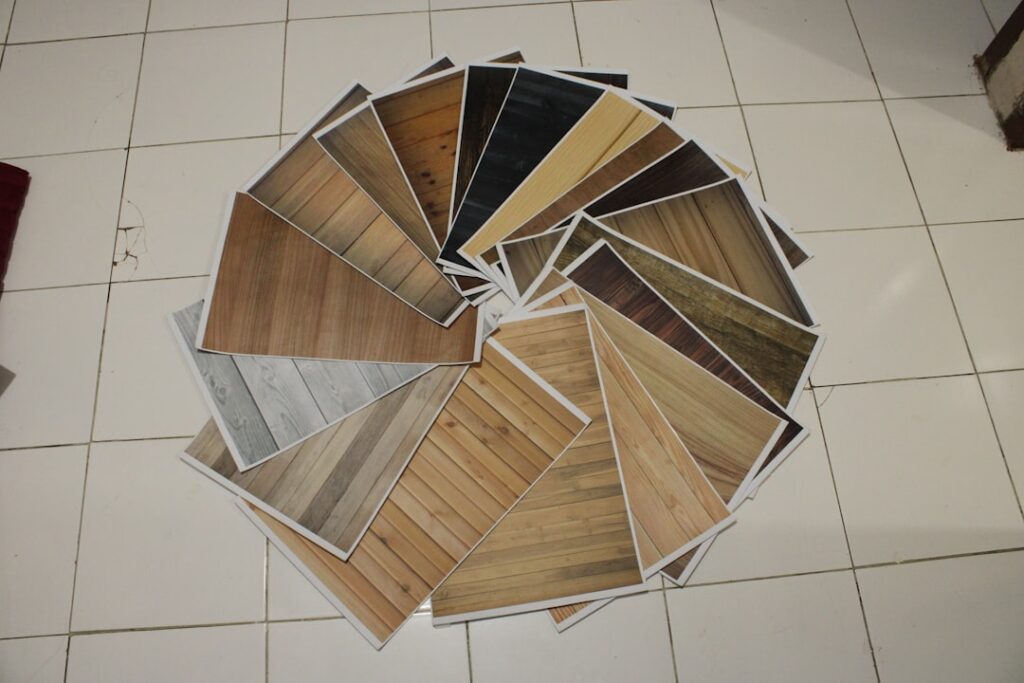
Mohawk vinyl sheet flooring pairs one of the most recognized names in American flooring with the practical, waterproof, budget-friendly qualities that make sheet vinyl a mainstay in kitchens, bathrooms, and laundry rooms. Mohawk is the largest flooring manufacturer in the world, and its sheet vinyl lines lean on that scale to deliver realistic wood and stone visuals, fiberglass-reinforced construction, and solid warranties at prices that undercut plank and tile. If you want a durable, easy-clean floor without a big investment, Mohawk’s sheet goods deserve a serious look.
Mohawk’s Sheet Vinyl Construction
Understanding how the product is built explains why it performs the way it does. Mohawk sheet vinyl is generally a fiberglass-reinforced product, which means a stable glass-fiber layer sits at the core to keep the sheet flat and resist the curling and indentation that plagued older felt-backed vinyl. On top of that core sits a high-definition printed design layer and a clear wear layer that determines scratch and stain resistance. Many lines carry Mohawk’s proprietary surface treatments for easier cleaning and better traffic resistance. The result is a floor that lies flat, can often be loose-laid or glued, and holds up in wet, high-use rooms.
Pros of Mohawk Vinyl Sheet Flooring
The brand’s sheet vinyl earns its place for several concrete reasons.
- Waterproof surface: With minimal seams and a sealed top layer, water stays out of the subfloor, making it ideal for baths, kitchens, and mudrooms.
- Realistic looks: High-definition printing reproduces convincing hardwood, ceramic, and stone patterns across many colorways.
- Comfort underfoot: The cushioned, flexible construction is softer and warmer than tile and quieter than laminate.
- Easy maintenance: Everyday cleaning is just sweeping and damp mopping, with no waxing or refinishing.
- Affordable: Among the lowest-cost flooring you can install, with strong value for rental units and quick refreshes.
- Backed by a major brand: Mohawk’s warranties and wide dealer network mean support and easy sourcing.
Cons to Weigh
Sheet vinyl has limits regardless of brand, and Mohawk is no exception.
- Vulnerable to tears and gouges: Sharp objects and dragged appliances can puncture it, and seamless damage repair is difficult.
- Telegraphs subfloor flaws: Because the sheet is thin, bumps and debris beneath it show through, so subfloor prep is essential.
- Lower resale perception: Buyers view sheet vinyl as budget flooring compared with LVP, tile, or wood.
- Shorter lifespan: Expect 10 to 20 years versus 20-plus for rigid-core luxury vinyl.
- Seams in wide rooms: Rooms wider than the roll require a professionally sealed seam.
How Mohawk Sheet Vinyl Is Sold
Mohawk sheet vinyl typically comes in 6-foot and 12-foot roll widths, sold by the linear or square foot through flooring retailers and home centers. The 12-foot width is the workhorse, letting most standard rooms install seam-free. Look at the product’s wear layer thickness and warranty tier to gauge quality, since Mohawk offers several lines from value to premium. Higher tiers add thicker wear layers, better indentation resistance, and longer residential warranties, sometimes with light-commercial ratings.
What It Costs
Mohawk sheet vinyl is priced to compete at the value end of the flooring market.
- Material: roughly $1 to $3 per sq ft depending on the line and wear layer
- Professional installation: $1 to $3 per sq ft, including floor prep and adhesive
- Total installed: about $2 to $5 per sq ft
For a typical 120-square-foot kitchen, expect roughly $250 to $600 installed. Choosing a loose-lay or self-stick product and doing the work yourself can bring a small bathroom in under $150 in materials.
Mohawk Sheet Vinyl vs. Mohawk LVP
Mohawk also makes luxury vinyl plank lines like SolidTech, and shoppers often weigh the two. Sheet vinyl wins on price and on seamless waterproofing, making it the better pick for a tight budget or a small wet room. Mohawk’s LVP wins on realism, durability, dent resistance, and resale value, thanks to its rigid SPC core and thicker wear layers, and its click-together planks are easier to install over a slightly imperfect subfloor. If the room is small, wet, and the budget is lean, choose sheet; if you want a floor that looks like real hardwood and lasts decades, step up to the plank.
Installation and Care Tips
Getting a clean result comes down to preparation and gentle upkeep.
- Prep the subfloor: Fill low spots, sand high spots, and sweep spotless, since any debris will show through the sheet.
- Acclimate the material: Let the roll sit flat in the room for at least 24 hours before installing.
- Use the right adhesive: Follow Mohawk’s recommendation, whether full-spread glue, perimeter adhesive, or loose-lay, for your specific product.
- Protect from furniture: Add felt pads and wide caster cups under heavy items to prevent indentations.
- Clean gently: Sweep regularly and damp mop with a pH-neutral cleaner; skip abrasive pads and harsh solvents.
Where Mohawk Sheet Vinyl Works Best
Sheet vinyl earns its keep in specific rooms, and knowing which ones helps you spend wisely. Bathrooms are the classic fit, since a seam-free 12-foot sheet wraps a small floor with no gaps for water to reach the subfloor. Laundry rooms and mudrooms benefit from the same waterproofing and the cushioned comfort underfoot when you are standing to fold clothes or pulling off boots. Kitchens are a strong candidate too, especially in rental units and budget refreshes, though a busy family kitchen with dropped pans and dragged stools may eventually show wear that a rigid-core plank would resist better.
Where sheet vinyl is a weaker choice is in large open-concept spaces that exceed the roll width and require seams, and in rooms where you want the floor to add resale value or a premium look. In those cases, Mohawk’s plank products or a tile floor serve you better. Matching the format to the room is the key to being happy with the result.
Comparing Mohawk to Other Brands
Mohawk is not the only name in sheet vinyl, and it helps to know where it sits. Armstrong and Congoleum are its main competitors, and all three offer fiberglass-backed lines at similar price points and quality tiers. Mohawk’s advantage is its enormous dealer and home-center distribution, which makes its products easy to find, sample, and reorder, plus the reassurance of a large company standing behind the warranty. When comparing across brands, ignore the marketing names and line up the objective specs: wear layer thickness, total gauge, warranty length, and whether the product is rated for light commercial use. A Mohawk sheet with a 20 mil wear layer and a 15-year warranty is directly comparable to a competitor’s product with the same numbers, so let those figures, not the logo, guide your decision.
The Bottom Line
Mohawk vinyl sheet flooring is a smart, affordable choice when you want a waterproof, low-maintenance floor from a trusted major brand. Its fiberglass-reinforced construction lies flat and stands up to wet rooms, and 12-foot rolls install seam-free in most spaces for $2 to $5 per square foot. Just prep the subfloor carefully, protect it from sharp point loads, and know that if realism and resale value top your list, Mohawk’s LVP lines are the upgrade. For value-focused kitchens, baths, and laundry rooms, Mohawk sheet vinyl delivers reliable performance at a hard-to-beat price.
Prefer to explore on your own?
See how new flooring looks in your actual room in seconds — free, no signup.
Try the free Floor Studio →