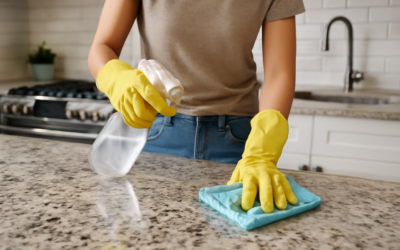
When black or pink spots start spreading across bathroom grout, basement walls, or window sills, a good mold cleaning spray is the fastest way to kill the growth and erase the stains. The trick is choosing the right formula for the surface and using it safely, because the most powerful mold sprays involve chemicals that demand respect. This guide breaks down the main types of mold spray, how to apply each correctly, and the maintenance habits that keep mold from returning after you’ve cleaned it up.
Read This Safety Warning First
Before you spray anything, understand the most important rule of mold cleaning: never mix bleach with ammonia, vinegar, or any other cleaner. Bleach combined with ammonia creates toxic chloramine gas, and bleach mixed with acids such as vinegar releases hazardous chlorine gas, both genuinely dangerous to breathe. Use a single product at a time, rinse thoroughly before switching cleaners, and always work in a well-ventilated space with windows open or a fan running. Wear rubber gloves and eye protection, and avoid inhaling fumes or spray mist directly.
The Main Types of Mold Cleaning Spray
Mold sprays fall into a few categories, each suited to different surfaces and severity:
- Bleach-based sprays (sodium hypochlorite): The strongest at killing surface mold and bleaching stains white on grout, tile, and other nonporous surfaces. Fast and effective but harsh; never combine with other products.
- Hydrogen peroxide spray: A gentler option (3% straight from the bottle) that kills mold and lifts stains with far fewer fumes, good for colored grout and broader surfaces.
- Distilled white vinegar: A natural antifungal that kills many mold species; spray undiluted, let sit about an hour, then scrub and rinse. Never mix with bleach.
- Commercial mildew removers: Purpose-built sprays and foaming formulas designed for bathrooms and other mold-prone areas.
- Tea tree or clove oil solutions: Natural sprays (a few teaspoons of oil per cup of water) that inhibit regrowth, useful as a maintenance spray.
Choosing the Right Spray for the Surface
Match the product to where the mold is growing. For white grout and nonporous tile, a bleach-based spray clears stains fastest. On colored grout, painted walls, or fabrics that bleach would discolor, reach for hydrogen peroxide or vinegar instead. For routine maintenance and lighter mildew, vinegar or a natural oil-based spray works well without harsh chemicals.
Porous materials are different. Mold that has penetrated drywall, unsealed wood, or ceiling tiles often can’t be fully removed by surface spray, because the roots run deeper than the cleaner reaches. In those cases, the affected material frequently needs to be cut out and replaced rather than merely sprayed.
How to Apply Mold Cleaning Spray
For typical surface mold on tile, grout, or a hard wall, follow these steps:
- Ventilate and gear up: Open windows, run a fan, and put on gloves and eye protection.
- Spray the affected area: Coat the mold thoroughly so the surface stays wet, not just misted.
- Let it dwell: Allow the product to sit for the time on its label, usually 10 minutes to an hour, so it can penetrate and kill the mold rather than just smearing it.
- Scrub: Work the area with a stiff brush, grout brush, or old toothbrush for corners and seams.
- Rinse and dry: Flush with clean water and wipe the surface dry, since lingering moisture invites regrowth.
For stubborn stains, a paste of baking soda with a little water or hydrogen peroxide left on the spot before scrubbing lifts discoloration that spray alone leaves behind.
Where Spray Isn’t Enough
A mold cleaning spray handles surface growth on washable materials, but it has limits. Mold that keeps returning in the same spot, spreads across large areas, grows inside walls, or comes with a persistent musty smell signals a deeper moisture problem that spraying won’t solve. As a general guideline, an infestation larger than roughly 10 square feet, or any mold growing within wall cavities or HVAC systems, warrants a professional assessment. Pros can find and fix the moisture source and remove mold safely without spreading spores throughout the home.
Stopping Mold From Coming Back
Killing the mold you can see is only half the battle, controlling moisture prevents the next outbreak:
- Lower humidity: Keep indoor humidity below 50 percent with a dehumidifier in damp basements and bathrooms.
- Ventilate wet rooms: Run exhaust fans during and after showers and while cooking.
- Fix leaks fast: Repair dripping pipes, roof leaks, and failing caulk that feed chronic mold.
- Dry surfaces: Squeegee shower walls and wipe down condensation on windows.
- Use a maintenance spray: A weekly mist of vinegar or a natural antifungal spray in problem areas inhibits regrowth.
DIY Sprays vs. Store-Bought
You can mix effective mold sprays at home for pennies, and they work well for routine cleaning. Undiluted white vinegar in a spray bottle kills many common molds; 3% hydrogen peroxide straight from the bottle does too and lightens stains; and a few teaspoons of tea tree oil per cup of water makes a fragrant preventive spray. The advantage is low cost, low fumes, and no harsh chemicals around kids and pets.
Store-bought formulas earn their price on tough jobs. Bleach-based and commercial mold removers act faster on heavy infestations and stubborn grout staining, and foaming or gel products cling to vertical surfaces and into grout lines longer than thin DIY sprays. For everyday upkeep, a homemade spray is plenty; for a serious outbreak on tile and grout, a commercial product saves time and scrubbing. Whichever route you take, the same safety rule applies, never combine products.
Using Spray on Different Surfaces
Tailor the product to the material to avoid damage. Bleach sprays are fine on white grout, ceramic and porcelain tile, and other nonporous, colorfast surfaces. Switch to hydrogen peroxide or vinegar on colored grout, painted walls, and fabrics that bleach would fade. On natural stone, avoid both bleach and acidic vinegar, which can etch the surface, and use a stone-safe or peroxide-based cleaner. For sealed wood and laminate, use a damp cloth with a gentle spray rather than soaking the surface, and dry it promptly. Test any spray on an inconspicuous spot first when you’re unsure how a finish will react.
The Bottom Line
The right mold cleaning spray makes quick work of surface mold, bleach-based formulas for tough white grout, hydrogen peroxide or vinegar for gentler and colored surfaces, and natural oil sprays for ongoing prevention. Whatever you choose, prioritize safety: ventilate the room, wear gloves and eye protection, and never mix bleach with ammonia, vinegar, or any other cleaner, because the gases produced are genuinely hazardous. Combine thorough cleaning with humidity control and prompt leak repairs, and you’ll keep mold from staging a comeback long after the spray has done its job.