The right mop makes a 30-minute chore take 10 minutes. The wrong one leaves streaks, drips too much water on sensitive floors, or simply pushes dirt around. With dozens of mops on the market claiming to be the best, choosing the right one comes down to matching the mop type to your specific floor and cleaning needs.
Spray Mops: Best for Daily Cleaning
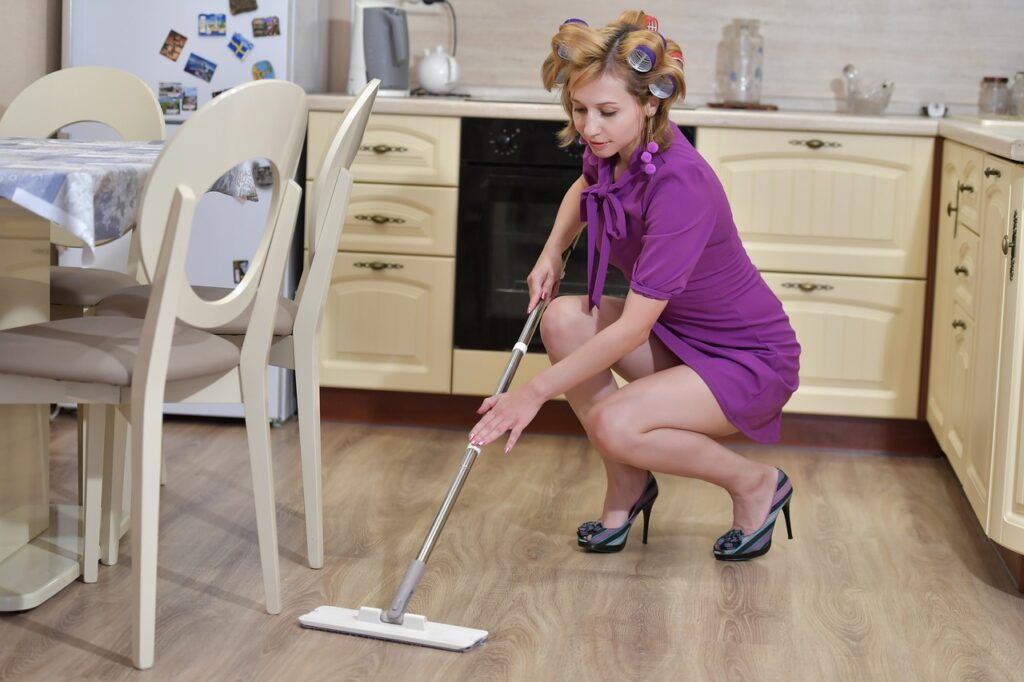
Spray mops combine a built-in solution reservoir with a flat microfiber pad. Squeeze the trigger, spray the floor ahead of you, and mop in one pass. They’re lightweight (typically under 3 pounds), easy to maneuver around furniture, and the pads are machine-washable.
Top pick: Bona Premium Spray Mop ($35-$40). Designed specifically for hardwood floors, the Bona uses a proprietary cleaning solution that’s pH-balanced and won’t damage polyurethane finishes. The large microfiber pad covers ground quickly, and the ergonomic handle is comfortable for extended use.
Best for: Hardwood, laminate, luxury vinyl plank, and engineered wood. Perfect for quick daily or every-other-day maintenance.
Spin Mops: Best for Tile and Large Areas
Spin mops use a foot pedal or push mechanism in the bucket to wring out the mop head, giving you control over how wet the mop is. The microfiber head rotates freely, getting into corners and along baseboards better than flat pads.
Top pick: O-Cedar EasyWring Spin Mop ($30-$35). The foot-pedal wringer lets you control moisture precisely, the triangular mop head fits into corners, and replacement heads cost about $8 each and last 3-6 months. Over 100,000 ratings on Amazon with a 4.5-star average make this the people’s choice.
Best for: Tile, porcelain, vinyl, and linoleum. The extra moisture these mops deliver (compared to spray mops) helps dissolve grout grime and kitchen grease.
Steam Mops: Best for Sanitizing Without Chemicals
Steam mops heat water to 200°F+ and deliver pressurized steam through a microfiber pad. They sanitize floors by killing 99.9% of common bacteria without any chemical cleaners. The steam also loosens sticky residue that cold mops struggle with.
Top pick: Bissell PowerFresh Steam Mop ($80-$100). Heats up in 30 seconds, offers adjustable steam levels for different floor types, and includes scent discs for a fresh post-clean smell. The flip-down easy scrubber tackles stubborn spots.
Best for: Sealed tile, vinyl, and linoleum. Avoid on hardwood and laminate since the heat and moisture can damage wood fibers, delaminate finishes, and cause planks to cup or warp over time.
String Mops: Best for Heavy-Duty Cleaning
Old-school string mops (also called strand mops) still have their place, especially for textured floors that trap grime in crevices. They hold more cleaning solution than any other mop type and provide aggressive scrubbing action on rough surfaces.
Top pick: Libman Wonder Mop ($12-$15). The microfiber and synthetic blend strands are machine-washable and come with a built-in wringer handle. At under $15, it’s the most economical option and lasts 6-12 months with regular use.
Best for: Textured tile, commercial-style flooring, garage floors, and outdoor covered areas. Less ideal for hardwood or laminate due to the heavy moisture.
Robot Mops: Best for Hands-Free Maintenance
Robot mops automate the process entirely. They navigate your floor plan, dispense solution, scrub with oscillating or rotating pads, and return to their dock when finished. The latest models map rooms, avoid carpets, and let you schedule cleanings from an app.
Top pick: iRobot Braava Jet M6 ($350-$450). Works with the Roomba ecosystem, navigates complex floor plans, and uses both dry sweeping and wet mopping pads. The precision jet spray targets messes ahead of the mop.
Best for: Maintaining already-clean floors in busy households. Robot mops handle daily dust and light spills but can’t replace a manual deep clean.
Matching Mops to Floor Types
- Hardwood (sealed): Spray mop (Bona) or flat microfiber mop with minimal water. Never a steam mop.
- Laminate: Spray mop with laminate-safe solution. Wring spin mops extra-dry. No steam.
- Luxury vinyl plank: Any mop type works except steam. Spray mops are most convenient.
- Ceramic/porcelain tile: Spin mop or steam mop for best results. String mop for textured tile.
- Natural stone (marble, slate): Spray mop with pH-neutral cleaner only. Avoid acidic solutions and steam.
How to Get the Best Results
Regardless of which mop you choose, a few universal principles apply. Always sweep or vacuum first. Grit under a mop pad acts like sandpaper on finished floors. Change your water or pad when it gets visibly dirty, otherwise you’re just redistributing grime. Mop in overlapping figure-eight or S-patterns rather than back-and-forth straight lines for better coverage.
Replace microfiber pads every 3-6 months or when they stop absorbing effectively. Most mops cost $8-$15 for replacement heads, making ongoing maintenance affordable regardless of which system you choose.
What About Swiffer?
Swiffer mops occupy a category of their own: disposable-pad convenience. They’re excellent for quick maintenance between real cleanings but carry higher ongoing costs ($100-$130/year in refills) compared to reusable mops ($15-$25/year for replacement pads and solution). For budget-conscious households, reusable spray and spin mops deliver better cleaning performance at a fraction of the long-term cost.