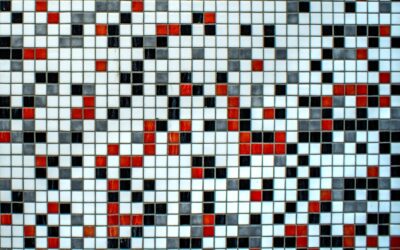
Few materials catch light the way real shell does. Mother of pearl mosaic tile is made from the iridescent inner lining of mollusk shells, cut into small pieces and mounted on mesh sheets, and it shifts color as you move past it, from pearly white to soft pinks, blues, and greens. It is genuinely beautiful and genuinely delicate, which is exactly why it belongs on some surfaces and absolutely not on others. This guide covers where it shines and where it fails.
What Makes the Look So Distinctive
Mother of pearl, or nacre, is the same lustrous substance that lines oyster and abalone shells. Because it is a natural organic material, no two tiles are identical, and the surface has a living, three-dimensional shimmer that printed or glazed tile simply cannot fake. Sheets come in squares, penny rounds, herringbone, brick, and fan patterns, so you can dial the look from classic to modern.
Under directional lighting the effect is strongest, which is why designers love it as a focal accent rather than a wall-to-wall field.
Best Uses for Shell Mosaic
This is a decorative material, so put it where beauty matters more than abuse resistance.
- Kitchen backsplashes above the counter, away from direct heavy scrubbing.
- Bathroom accent walls and vanity backsplashes.
- Powder room feature walls and niche insets.
- Fireplace surrounds in the cooler outer zones.
What it is not: a floor tile, a shower floor, or a heavy-duty work surface. Foot traffic and hard impacts will damage it, so keep shell mosaic vertical and decorative.
Fragility You Need to Respect
Mother of pearl is thin and brittle compared to porcelain. It scratches, chips, and can dull if treated roughly. Even during installation the pieces can crack under a heavy trowel or an aggressive grout float. This fragility is not a flaw, it is simply the nature of shell, and planning around it is the difference between a stunning accent and an expensive disappointment. Order about 10 to 15 percent extra so you have spares for cuts and the occasional broken piece.
Sealing Is Essential
Because nacre is porous and reactive, sealing protects it from staining and etching. Most installers seal the tile before grouting so grout haze does not soak into the shell, then seal again after grouting cures. Use a sealer rated for natural stone and shell, and follow the product’s reapplication schedule. An unsealed shell backsplash near a cooktop will pick up grease and water spots quickly, so do not skip this step.
Cleaning Cautions
This is where most shell installations get ruined. Nacre is calcium-based, so acids and abrasives destroy it.
- Never use vinegar, lemon, bleach, or acidic bathroom cleaners; they etch and dull the surface permanently.
- Never scrub with abrasive pads, scouring powders, or stiff brushes.
- Do use a soft cloth with plain water or a pH-neutral cleaner, and buff dry to keep the shimmer.
Treat mother of pearl mosaic tile like a fine natural stone, not like ceramic. Gentle, consistent care keeps its glow for years.
Installation Notes
Because the tile is translucent, the adhesive shows through, so use a white thinset or the manufacturer-recommended adhesive to avoid a shadow behind the shell. Set the sheets on a flat, primed surface, press gently rather than pounding, and use an unsanded grout, since sanded grout can scratch the delicate surface. Clean grout off immediately with a soft sponge before it hazes. Many pros seal, then grout, then seal again, as noted above.
Cost Expectations
Shell mosaic sits at the premium end of decorative tile because it is a hand-assembled natural material with significant waste in production. Prices vary widely by pattern, shell type, and source, so treat it as a splurge accent rather than a whole-room budget item. The good news is that because it works best in small focal areas, a little goes a long way, and even a modest quantity makes a dramatic impact behind a range or on a vanity wall.
Shell Types and Finishes
Not all mother of pearl looks the same, and the shell source changes the character of the tile. Freshwater and saltwater shells yield different color ranges, from bright cool whites to warmer, more golden tones. The cut and finish matter too:
- Polished nacre: the glossiest, most reflective option with the strongest rainbow shimmer.
- Brushed or matte shell: a softer, more subtle luster that hides water spots better.
- Mixed or random-lay patterns: emphasize the natural variation for an organic, textured look.
Because the material is natural, order all your tile from the same lot when possible so the color and shimmer stay consistent across the installation. Ordering piecemeal later can leave you with a noticeably different batch.
Design Ideas That Work
Shell mosaic rewards restraint. A single vanity backsplash, a niche in a shower surround away from foot traffic, or a narrow accent band woven into a field of plain tile all let the material shine without overwhelming a room. In a kitchen, a strip behind open shelving catches light beautifully. In a powder room, a full feature wall can be stunning since the space sees little abuse. The common thread is using shell where people admire it rather than scrub it, and letting quieter materials handle the hardworking surfaces around it.
Longevity and What to Expect Over Time
Cared for properly, a shell mosaic keeps its glow for many years, but it is worth being realistic about its nature. The finish can gradually dull if exposed to harsh cleaners or constant moisture without resealing, and individual pieces may eventually need replacement if chipped, which is why keeping spare tiles from your original lot is so valuable. Reseal on schedule, clean gently, and keep it out of high-splash zones, and this delicate material rewards you with a look no ceramic can imitate. Treat it carelessly, and it will show wear quickly, so honest expectations are part of buying it wisely.
Is It Right for Your Project
Choose shell mosaic when you want a jewel-like accent and are willing to seal it, clean it gently, and keep it out of high-abuse zones. Avoid it if you need something bulletproof or plan to scrub it with strong cleaners. Used thoughtfully in the right spot, mother of pearl mosaic tile delivers a shimmering, one-of-a-kind surface that no manufactured tile can match, and it becomes the detail guests notice first. If you are still deciding, order a single sample sheet and set it in your intended spot for a week. Watch how it plays with your lighting at different times of day, and handle it to get a feel for its delicacy. That small test tells you far more than any photo, and it ensures you are buying this premium material for a location where its beauty is admired rather than abused.
Prefer to explore on your own?
See how new flooring looks in your actual room in seconds — free, no signup.
Try the free Floor Studio →