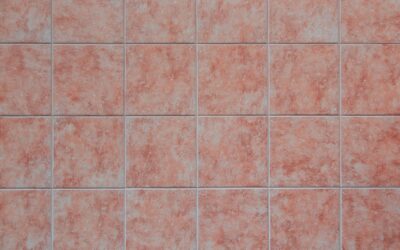
Nothing announces confidence quite like color, and red mosaic tile brings warmth, energy, and a jolt of personality to spaces that other materials leave feeling safe. Whether you crave a glossy crimson backsplash, a moody wine-toned shower accent, or a playful terracotta floor detail, small red mosaics let you introduce bold color in a controlled, artful way.
Part of our Tile & Grout guide — explore the full guide →
- Why Choose Red Mosaic Tile
- Exploring the Range of Red
- Materials to Consider
- Where to Use Red Mosaic Tile
- Pairing Red With the Rest of the Room
- Costs to Plan For
- Installation and Grout Tips
- Keeping Red Mosaics Looking Vibrant
- Design Styles That Love Red Mosaics
- How Much Red Is Too Much
- Final Thoughts on Red Mosaic Tile
Why Choose Red Mosaic Tile
Red is one of the most emotionally charged colors in design, associated with appetite, warmth, and vitality, which is exactly why it appears so often in kitchens and dining spaces. Mosaic format, meaning small tiles mounted on mesh sheets, tames that intensity. Instead of a solid wall of red that could overwhelm, mosaics scatter the color across many little facets that catch light and create depth. The result is rich and dynamic rather than flat. Mosaics also curve around niches and follow contours easily, making them ideal for accents where larger tile would be clumsy.
Exploring the Range of Red
Red spans a huge emotional and visual range, so pinpointing the right shade is essential. Consider where each tone naturally lives:
- Bright cherry and scarlet feel lively and retro, perfect for playful kitchens.
- Deep burgundy and wine read sophisticated and work in powder rooms and bars.
- Terracotta and brick reds lean earthy and Mediterranean, pairing with warm woods.
- Ruby glass reds add jewel-like sparkle and reflect light beautifully.
Because red is assertive, most designers use it as an accent rather than covering entire rooms. A single feature wall, a backsplash band, or a shower niche often delivers more impact than an all-red surface.
Materials to Consider
Red mosaics come in several materials, each with a different personality. Glass mosaics are luminous and reflective, ideal for backsplashes and pool areas. Porcelain and ceramic mosaics offer durability and a broad glaze range for floors and walls. Natural stone mosaics, such as red marble or slate blends, bring organic variation but need sealing. Metal or mixed-material blends can weave red glass with stainless or copper accents for a contemporary edge. Match the material to the location: glass and glazed ceramic for wet walls, slip-resistant porcelain or stone for floors.
Where to Use Red Mosaic Tile
The beauty of mosaics is their versatility as accents. Homeowners love them for:
- Kitchen backsplashes, either full-coverage or as a stripe behind the range.
- Bathroom niches and accent walls that add warmth to tiled showers.
- Fireplace surrounds, where red echoes the glow of a fire.
- Floor borders and inlays that frame a neutral tile field.
- Powder rooms and bars, small spaces that can handle a bold moment.
Pairing Red With the Rest of the Room
Because red is so dominant, its supporting cast matters. Crisp white cabinetry and counters let cherry mosaics pop cleanly. Warm woods and brass fixtures make terracotta and brick reds feel grounded and inviting. Black accents and charcoal grout give deep burgundy a dramatic, modern frame. Gray and greige neutrals cool red down and keep it from feeling overwhelming. As a rule, choose one or two supporting neutrals and let the red be the star rather than competing with other bold colors.
Costs to Plan For
Mosaic pricing depends heavily on material. Glazed ceramic and porcelain red mosaics typically run $8 to $20 per square foot. Glass mosaics land around $12 to $30, and specialty or natural stone blends can climb to $30 to $50 or more. Because mosaics are usually used as accents, the total material cost stays manageable even at higher per-foot prices. Installation is more labor-intensive than standard tile, often $12 to $25 per square foot, because setting mesh sheets level and aligning grout lines across sheets takes care.
Installation and Grout Tips
Mosaic sheets install faster than individual small tiles, but they demand a flat, well-prepared surface so the tiny tiles do not telegraph every bump. A good installer stays vigilant about keeping the grout spacing between sheets identical to the spacing within each sheet, so the seams disappear. Grout color is a major design lever: a matching red or deep grout keeps the surface unified and intense, while a light grout emphasizes the mosaic grid and can make bright reds feel busier. For glass mosaics, use non-abrasive grout and follow the manufacturer’s setting recommendations, since some glass is translucent and shows the thinset behind it.
Keeping Red Mosaics Looking Vibrant
Maintenance is straightforward. Glazed ceramic, porcelain, and glass mosaics wipe clean with a mild, pH-neutral cleaner and resist fading indoors. Grout is the main upkeep concern, so seal cement-based grout to prevent staining and keep light grout lines from discoloring around a range or sink. Natural stone reds need periodic resealing to protect against moisture and etching. Avoid harsh abrasives that could scratch glass or dull glazes, and your red will stay saturated for years.
Design Styles That Love Red Mosaics
Red mosaics are surprisingly adaptable across decorating styles, and knowing which look you are chasing helps you pick the right shade and material. In a mid-century modern kitchen, glossy cherry or scarlet mosaics channel retro optimism, especially paired with chrome and warm wood. In a Mediterranean or Spanish-inspired space, terracotta and brick-red mosaics feel sun-baked and organic against plaster walls and iron fixtures. For a moody, contemporary bar or powder room, deep burgundy glass mosaics with dark grout create drama and depth. Even a farmhouse kitchen can carry a barn-red mosaic accent that nods to rustic tradition.
Matching the material to the style sharpens the effect. Glass and glossy ceramic suit modern and glam looks, while matte ceramic and natural stone lean rustic and traditional. Think about the whole room’s mood first, then let the red mosaic reinforce it rather than fight it.
How Much Red Is Too Much
Because red is such a powerful color, restraint usually produces the most sophisticated result. A common guideline is to treat red as an accent that covers a modest share of the visible surface rather than dominating the room. Consider these proportional approaches:
- A single feature strip of red mosaic behind a range or sink.
- One accent wall or niche in a shower, framed by neutral field tile.
- A border or inlay that outlines a neutral floor or backsplash.
- A small, high-impact room like a powder room where full coverage feels intentional.
If you crave more red, balance it with generous neutral surfaces, ample natural light, and simple, uncluttered surroundings so the color energizes rather than overwhelms. When in doubt, start smaller; you can always add another red element, but removing installed tile is far harder.
Final Thoughts on Red Mosaic Tile
Used with intention, red mosaic tile injects energy and warmth that neutral surfaces simply cannot match. The key is restraint: pick the right shade for the mood you want, deploy it as a focused accent, surround it with calm neutrals, and choose a grout that supports rather than fights the color. Do that, and a small investment in red mosaics can transform an ordinary kitchen or bath into a space with genuine character and a pulse.
Before you buy, order a full sheet sample and tape it up in the room you plan to tile, then observe it under both daylight and your evening lighting, because red shifts noticeably between warm and cool light. Consider ordering a couple of grout color chips too, so you can preview how a matching versus contrasting grout changes the intensity. A little upfront testing costs almost nothing and virtually guarantees you will love the finished result, turning a bold color choice from a gamble into a confident, deliberate design statement that gives your home a warm, memorable focal point for years to come.
Prefer to explore on your own?
See how new flooring looks in your actual room in seconds — free, no signup.
Try the free Floor Studio →