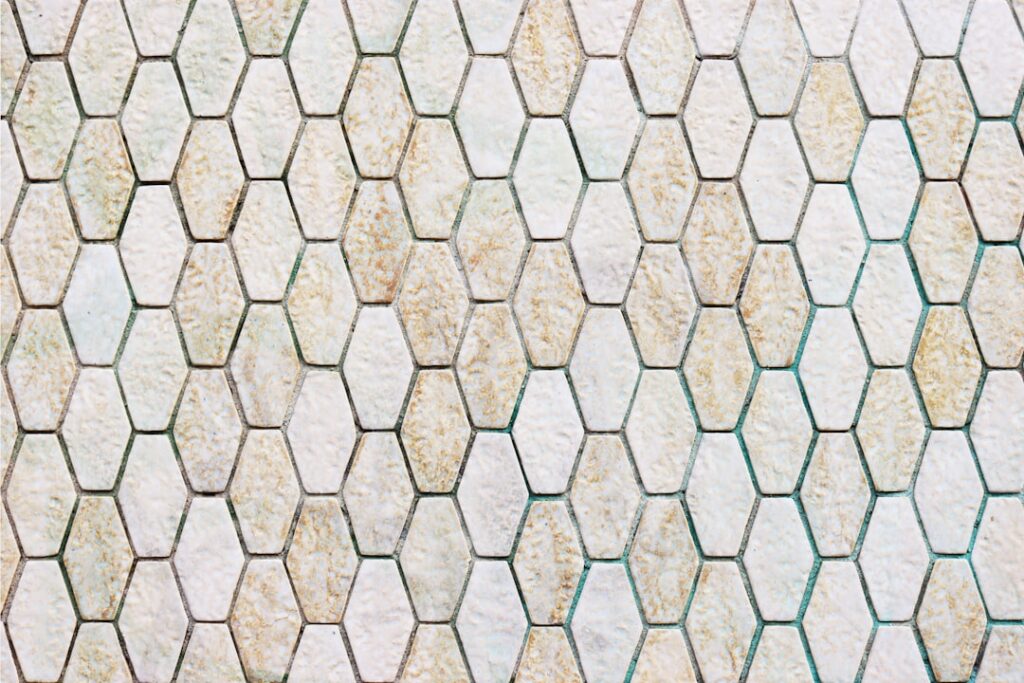
The honeycomb shape has decorated bathroom floors for over a century, and its geometric appeal only grows stronger with time. 2 inch hex tile is the mid-size sweet spot of the hexagon family: bold enough to read as a distinct pattern, small enough to add texture and slip resistance, and versatile enough to swing from vintage to thoroughly modern. Whether in classic white, moody black, or a soft sage, the two-inch hex brings personality that plain squares cannot match. This guide gathers colors, layouts, grout ideas, and practical tips.
- Why the Hexagon Endures
- Colors and Finishes to Consider
- The Impact of Grout Color
- Where 2 Inch Hex Tile Works
- Design Styles That Love Hex Tile
- What 2 Inch Hex Tile Costs
- Installation and Care Tips
- Mixing Hex Tile With Other Shapes
- Hex Tile in Small vs. Large Spaces
- The History and Appeal of the Hexagon
- Choosing Materials and Finishes
- Embracing the Honeycomb
Why the Hexagon Endures
The hexagon is a naturally satisfying shape, tessellating perfectly with no wasted space and creating a rhythm that draws the eye. At two inches, the tiles form a lively honeycomb that feels handcrafted and detailed without becoming busy. The many angled grout lines add traction, which is why hex tile has long been a bathroom-floor favorite. It also carries a nostalgic pedigree, evoking early-1900s baths, while modern colors and finishes let it feel completely current. That blend of history and flexibility is its enduring charm.
Colors and Finishes to Consider
Two-inch hex comes in a huge palette:
- Classic white: Timeless and bright, the vintage bathroom standard.
- Black: Dramatic and graphic, especially with white grout.
- Soft neutrals: Greige, taupe, and cream for a calm, modern look.
- Sage and muted green: Fresh and organic, a designer favorite.
- Marble and stone hex: Carrara or slate for an upscale, textured surface.
- Bold jewel tones: Navy, emerald, or terracotta for a statement floor.
Matte finishes feel contemporary and slip-resistant, while glossy glazes add vintage shine.
The Impact of Grout Color
With hex tile, grout is a major design lever because the shape produces so many joints. The choice transforms the look:
- Matching grout: Blends the hexagons into a subtle, textured field.
- Contrasting grout: Outlines each hexagon to celebrate the geometry, like black grout with white tile.
- Gray or mid-tone grout: Hides dirt and softens contrast, the practical everyday choice.
Because floors collect grit, a mid-tone grout is the most forgiving, but high-contrast grout makes the most of the hex pattern’s graphic potential.
Where 2 Inch Hex Tile Works
Bathrooms remain the natural home for hex tile, on floors, shower pans, and as wainscot, thanks to slip resistance and vintage charm. But the shape ranges further. It makes a distinctive kitchen backsplash, a charming mudroom or laundry floor, and an eye-catching accent inset within a larger tile field. Its small scale suits powder rooms and compact spaces beautifully, and marble hex brings elegance to entryways. The mesh-mounted sheets make even curved shower floors manageable, since the small pieces conform to slopes and drains.
Design Styles That Love Hex Tile
The shape adapts across aesthetics:
- Vintage and cottage: White hex with black accents and clawfoot tubs.
- Modern farmhouse: Matte white or greige hex with shiplap and brass.
- Contemporary: Large fields of monochrome hex with minimalist fixtures.
- Art deco: Black-and-white hex borders and geometric insets.
- Organic modern: Sage or stone hex with warm wood and natural textures.
What 2 Inch Hex Tile Costs
Pricing depends on material and finish:
- Ceramic or porcelain hex sheets: $6 to $15 per square foot.
- Glass or specialty glazed hex: $12 to $28 per square foot.
- Marble and natural stone hex: $10 to $25 per square foot.
- Installation: $9 to $18 per square foot, higher than large tile because the small pieces and abundant grout lines take more labor.
The mesh backing speeds setting compared to laying individual hexagons, but grouting the dense joints is time-consuming, which keeps labor costs above those of standard square tile.
Installation and Care Tips
Two-inch hex arrives on mesh sheets, making it approachable for a patient DIYer. Blend sheets from several boxes to avoid color blocking, and stagger sheet seams so the transitions vanish into the pattern. Work grout into the many angled joints from multiple directions, and clean haze carefully from any textured surface. For care, sweep grit and damp-mop with a neutral cleaner. Seal cement grout after installation and reseal periodically, since cement grout is porous and the plentiful grout lines are the part most likely to show dirt over time.
Mixing Hex Tile With Other Shapes
Two-inch hex tile does not have to stand alone, and combining it with other formats is where designers have real fun. A hex floor paired with subway-tiled walls is a timeless bathroom formula, the honeycomb adding texture below while the linear subway keeps the walls calm. You can also blend hex sizes, mixing two-inch and larger hexagons, or fade colors across a floor for a custom, hand-laid effect. Decorative hex patterns with a scattering of contrasting tiles create a confetti or gradient look that feels playful without being loud. And a band of hex tile set as a border or a rug-style inset within a field of larger tile adds a crafted focal point that draws the eye and defines a zone.
Hex Tile in Small vs. Large Spaces
Scale matters when deciding how much hex to use:
- Small bathrooms and powder rooms: A full hex floor turns a tiny space into a detailed, jewel-like room, and the small pieces navigate tight corners easily.
- Shower floors: The mesh sheets flex to the slope toward the drain, and the many grout lines add crucial slip resistance.
- Large open floors: A big field of monochrome hex can read modern and expansive, but it can also feel busy, so many designers reserve hex for accents in bigger rooms.
- Backsplashes: A hex backsplash adds geometry and interest behind a range or vanity without overwhelming the room.
Because a small room uses limited square footage, even premium hex tile fits a modest budget, making it an affordable way to add standout character where it matters most.
The History and Appeal of the Hexagon
The hexagon has decorated floors for well over a century, and its staying power is no accident. In the early 1900s, small hexagonal mosaics became a bathroom standard because their many angled grout lines provided slip resistance and their small size conformed to any room, all while being sanitary and easy to clean. Those vintage white hex floors defined an era of American bathrooms, and the shape’s perfect tessellation, fitting together with no wasted space, gives it a satisfying visual rhythm that squares and rectangles cannot match. Choosing hex tile today connects a modern home to that proven tradition while the huge range of contemporary colors and finishes keeps it feeling current rather than nostalgic.
Choosing Materials and Finishes
Two-inch hex comes in several materials, and the right one depends on where it goes:
- Porcelain: Dense and durable, the best pick for floors and wet areas.
- Ceramic: Affordable and richly glazed, great for walls and light-traffic floors.
- Marble and stone: Elegant, textured, and upscale, but porous and in need of sealing.
- Glass: Luminous for backsplashes and accents, less suited to floors.
Matte finishes offer slip-resistance and a modern feel underfoot, while glossy glazes add vintage shine on walls, so match the finish to both the look and the function you need.
Embracing the Honeycomb
Few tiles offer as much character per square foot as the two-inch hexagon. Its honeycomb geometry, slip-safe traction, and century-spanning versatility let it feel vintage or modern depending entirely on the color and grout you choose. Pick your palette, decide whether you want the grout to blend or boldly outline the shapes, and use the mesh sheets to bring the pattern to floors, backsplashes, or accents. Handled with care, 2 inch hex tile delivers timeless geometric charm that a plain square floor can never quite equal.
Prefer to explore on your own?
See how new flooring looks in your actual room in seconds — free, no signup.
Try the free Floor Studio →