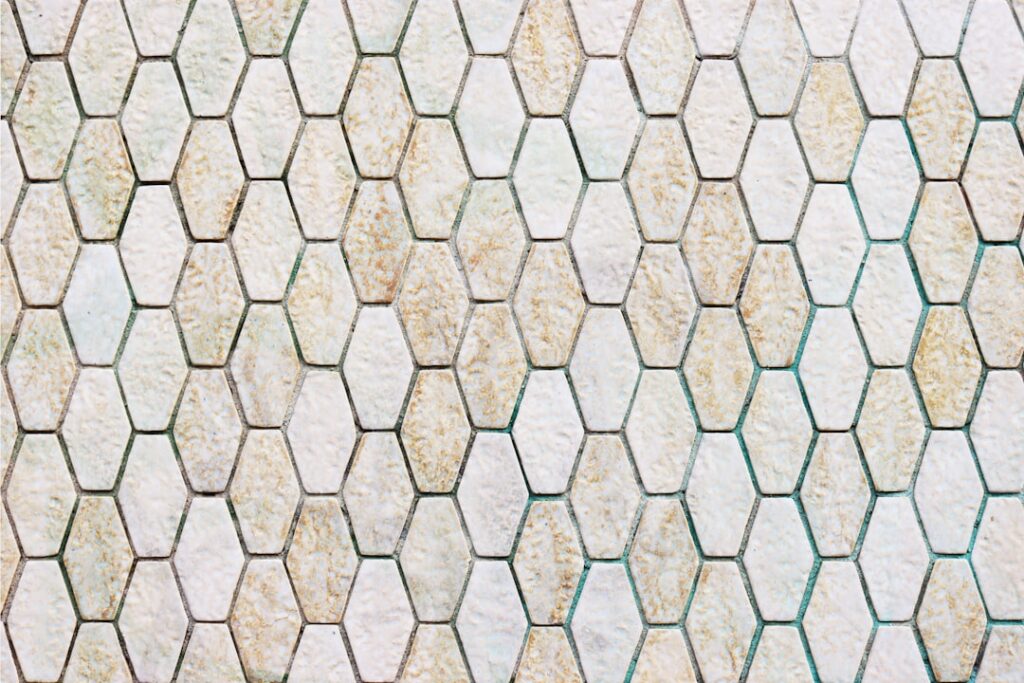
Some looks simply never age, and white hex tile is a prime example. The six-sided geometry has decorated American bathrooms for over a century, yet it feels just as at home in a crisp modern kitchen as it does in a vintage-inspired powder room. If you love clean, bright surfaces with a touch of pattern, white hexagon tile deserves a spot on your shortlist.
- The Enduring Appeal of Hexagon Tile
- Choosing the Right Size Hexagon
- Classic Versus Modern Styling
- Grout: The Detail That Changes Everything
- Where to Use White Hex Tile
- What White Hex Tile Costs
- Installation Tips
- Keeping White Hex Tile Bright
- Material Choices for White Hex Tile
- Vintage and Modern Design Recipes
- Final Thoughts on White Hex Tile
The Enduring Appeal of Hexagon Tile
Hexagons have a quiet magic. The interlocking honeycomb pattern draws the eye across a surface without shouting, and white keeps the effect light and airy. This combination is why hex tile has survived every design trend since the early 1900s, when small white hex floors became a hallmark of clean, sanitary bathrooms. Today it reads as both nostalgic and fresh, letting you nod to tradition or push modern depending on grout, scale, and surrounding finishes.
Choosing the Right Size Hexagon
Hex tile comes in a wide range of sizes, and scale dramatically changes the mood. Consider your options:
- 1 to 2 inch hexes: the classic vintage look, with lots of grout lines and great slip resistance for floors.
- 3 to 4 inch hexes: a balanced, transitional scale that suits walls and floors alike.
- Large-format hexes (6 inch and up): bold and contemporary, with fewer grout lines and a graphic presence.
Small hexes on a shower or bathroom floor provide traction thanks to the dense grout grid, while large hexes make a modern statement on feature walls and open floors.
Classic Versus Modern Styling
White hex tile is a chameleon that shifts with its context. For a timeless, heritage feel, pair small white hexes with a black border, marble accents, and warm brass fixtures. For a modern look, choose large-format matte white hexes with a soft grey grout, matte black hardware, and minimalist cabinetry. Marble or stone-look white hex tile leans luxurious, while a simple glazed ceramic hex keeps things clean and budget-friendly. The tile is a neutral canvas, so the surrounding materials set the tone.
Grout: The Detail That Changes Everything
With hex tile, grout is not an afterthought; it defines the entire look. Your choices generally fall into three camps:
- White or matching grout creates a soft, seamless field where the hexagon shapes whisper rather than shout.
- Grey grout subtly outlines each hexagon, hides dirt well, and reads modern and practical.
- Black or dark grout boldly emphasizes the honeycomb geometry for a graphic, high-contrast statement.
Keep maintenance in mind: white grout on a floor can discolor over time, so many homeowners choose grey for durability, reserving crisp white grout for walls and backsplashes where it stays cleaner.
Where to Use White Hex Tile
The versatility of white hex tile means it works throughout the home. Bathroom floors are the classic application, where small hexes provide grip and vintage charm. It also shines on shower walls and floors, kitchen backsplashes, mudroom floors, and laundry rooms. In small spaces like powder rooms, a full white hex floor can feel crisp and expansive. Large-format white hexes make striking accent walls in living areas and entries when you want pattern without color.
What White Hex Tile Costs
Pricing depends on material and size. Glazed ceramic and porcelain white hex tile typically runs $6 to $15 per square foot, while marble and natural stone hexes climb to $15 to $35 or more. Mosaic-sheet hex tile, mounted on mesh, tends to be more affordable and easier to install than individually set pieces. Installation usually adds $8 to $18 per square foot, with mosaic sheets often faster to set than loose hexes. Order 10 to 15 percent extra for cuts and future repairs.
Installation Tips
Most small white hex tile comes on mesh sheets, which speeds installation and helps keep spacing consistent. The keys to a professional result are a flat, well-prepared substrate and careful attention to keeping the grout gaps between sheets identical to those within each sheet, so the seams disappear into the pattern. In wet areas, proper waterproofing beneath the tile is essential. Cutting hexes around fixtures takes patience; a wet saw handles curved and angled cuts, and you can trim the mesh to reposition individual tiles for a clean fit at edges and drains.
Keeping White Hex Tile Bright
White surfaces reward regular, gentle care. Sweep or vacuum floors to keep grit from dulling the glaze, and mop with a pH-neutral cleaner. The grout is the main maintenance concern, so seal cement-based grout and refresh it periodically, especially on floors and in showers. If you chose white grout, an occasional targeted cleaning keeps it looking fresh. Marble hex tile needs its own stone sealer and gentle, non-acidic cleaners to prevent etching. With modest upkeep, white hex tile stays bright and crisp for decades.
Material Choices for White Hex Tile
White hex tile comes in several materials, and each changes the cost, care, and character of the finished surface. Choosing the right one for the room matters as much as picking the size:
- Glazed ceramic: affordable, easy to clean, and available in glossy or matte; great for backsplashes and walls.
- Porcelain: denser and more durable, with low water absorption ideal for floors and wet areas.
- Marble or natural stone: luxurious with soft veining, but porous and in need of sealing and gentle cleaners.
- Glass: luminous and reflective, best reserved for walls and accents.
For a bathroom or shower floor that gets wet daily, porcelain or a well-sealed stone offers the best durability. For a decorative backsplash, glazed ceramic keeps costs down while delivering the look. Matching the material to the demands of the space prevents disappointment later.
Vintage and Modern Design Recipes
Because white hex tile is so flexible, it helps to have a couple of proven design recipes to follow. For a timeless, heritage bathroom, combine small white hex floor tile with a thin black hexagon border, white subway tile on the walls, a pedestal sink, and polished nickel or brass fixtures; grey grout keeps the floor practical while white grout brightens the walls. For a crisp, modern look, pair large-format matte white hexes with warm greige grout, matte black hardware, floating vanities, and simple lines, letting the scale of the hexagons carry the drama. A third option, the spa look, uses white marble hex tile with soft grey grout and natural wood accents for a serene, luxurious feel. Each recipe uses the same fundamental tile to reach a completely different destination, which is exactly why white hex remains a designer favorite year after year.
Final Thoughts on White Hex Tile
Few materials balance heritage and modern appeal as gracefully as white hex tile. By choosing the right hexagon scale, using grout color as a deliberate design tool, and surrounding the tile with finishes that set your desired mood, you can lean fully vintage or crisply contemporary. Give the installation a flat, waterproofed base and keep the grout sealed, and this century-old pattern will keep your space looking timeless and fresh for years to come.
If you are torn between a vintage and a modern direction, remember that the tile itself is neutral; the grout color, hexagon scale, and surrounding fixtures do almost all the talking. That flexibility means white hex tile is a low-risk choice even in a home you may restyle later, since a future refresh of paint, hardware, and accessories can shift the whole feel without touching the floor. Order a sample board, test your grout color against it, and picture the finished room before you commit. Do that, and this enduring classic will anchor your space beautifully whether your taste leans heritage, spa-like, or thoroughly contemporary.
Prefer to explore on your own?
See how new flooring looks in your actual room in seconds — free, no signup.
Try the free Floor Studio →