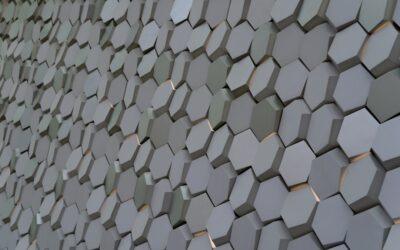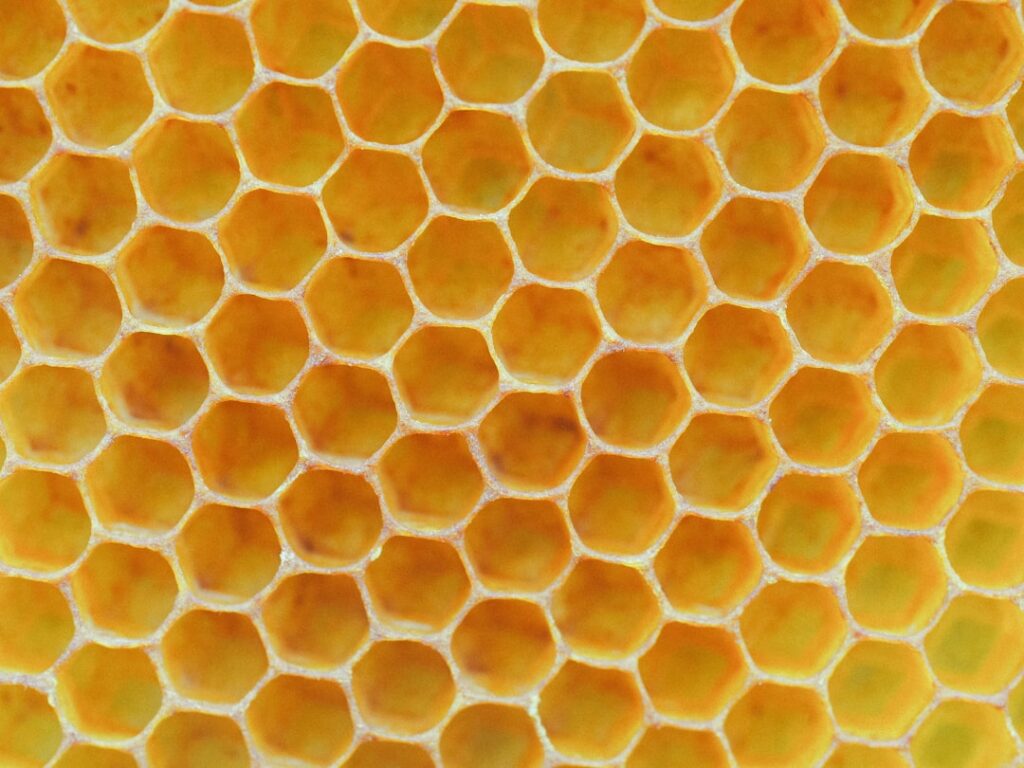
The six-sided hexagon is one of the oldest patterns in tile, and it’s having a long moment for good reason. Honeycomb tile, the familiar hexagonal shape that nests together like a beehive, brings geometric interest to floors and walls that plain squares simply can’t match. It works in a tiny 1-inch penny-style mosaic on a vintage bathroom floor and in a bold 8-inch format on a modern kitchen backsplash. The shape is timeless, the material options are huge, and the look ranges from classic to contemporary depending on size and color. Here’s everything you need to choose and install it well.
Part of our Tile & Grout guide — explore the full guide →
What Honeycomb Tile Is
Honeycomb tile simply refers to hexagonal tile, the six-sided shape that fits together edge-to-edge with no gaps, creating the honeycomb pattern. It has a long pedigree; small white hex tiles were a staple of early twentieth-century American bathrooms and are still associated with that classic, clean look. Today the same shape comes in a vast range of sizes, materials, and finishes, which is why you’ll see it in everything from period-accurate renovations to cutting-edge modern designs.
Sizes and the Looks They Create
Size dramatically changes the personality of hex tile:
- Small mosaics (1 to 2 inch): Often sold on mesh sheets. Classic and detailed, ideal for vintage bathroom floors, shower pans (the extra grout adds grip), and intricate accents.
- Medium hex (3 to 6 inch): The most versatile range, suited to floors, walls, and backsplashes with a balanced, modern-traditional feel.
- Large hex (8 inch and up): Bold and contemporary, with fewer grout lines for a sleek, statement look on floors and feature walls.
If you want that timeless old-house feel, go small. For a clean modern statement, go large. The same shape reads completely differently at each scale.
Material Options
Honeycomb tile comes in nearly every tile material, each with its own strengths:
- Porcelain and ceramic: Durable, water-resistant, low-maintenance, and the most common choice for floors and wet areas.
- Marble and natural stone: Luxurious hex tile, often in Carrara or Calacatta, for upscale baths and backsplashes. Requires sealing.
- Glass: Reflective and vivid, popular for backsplashes and accent walls, not for floors.
- Cement (encaustic): Bold patterns and saturated color baked through the tile. Beautiful but porous and needs sealing.
- Metal and mixed-material: For accent strips and feature areas.
For a floor, lean toward porcelain for its toughness and low upkeep. For a low-contact backsplash, glass, marble, or cement open up more decorative options.
Where to Use It
Hex tile is genuinely flexible. Classic spots include bathroom floors (small hex gives traction and a period look), kitchen and bathroom backsplashes, shower walls and floors, mudroom and entry floors, and accent zones like a niche, a range hood surround, or a fireplace face. Many homeowners love it as a “transition” detail, running hex tile in an entryway that flows into wood flooring, with a clean or interlocking border where the two meet.
Layout and Grout Decisions
The pattern itself is built into the shape, but a few choices shape the final look:
- Grout color: This is your biggest design lever. A contrasting grout (dark grout with white tile, or vice versa) emphasizes the honeycomb geometry and makes the pattern pop. A matching grout softens it for a more seamless, subtle field.
- Orientation: Hex tile can be set “points up” (a flat top and bottom) or “points side” (flat left and right edges). Decide before you start; it changes how the pattern reads against your walls.
- Sheeted vs. individual: Small hex usually comes on mesh sheets for faster installation; larger hex is set tile by tile.
Installation Notes
Hexagons take more planning than squares because every edge meets at an angle. Dry-lay a section first to plan where cuts fall, and try to keep awkward partial tiles in less-visible spots along walls. Cutting hex tile cleanly requires a wet saw and patience, since the angled cuts at the perimeter are fiddly. As with any tile in a wet area, you need a flat, properly waterproofed substrate. Small mosaic sheets go quickly but require care to keep the grout lines aligned between sheets so the pattern stays continuous. If you’re not comfortable with angled cuts and pattern alignment, this is a job where a pro earns their fee.
What It Costs
Pricing varies widely by material. Ceramic and porcelain hex commonly runs $4 to $15 per square foot for the tile, while marble, cement, and glass hex can run $15 to $40 or more. Installation typically adds $8 to $20 per square foot, often on the higher end for small mosaics and intricate borders because of the extra labor in aligning and cutting the pattern. Budget for a little more waste than usual; the angled perimeter cuts mean more offcuts.
Care and Maintenance
Porcelain and ceramic hex tile is easy to live with, sweep grit and damp-mop with a pH-neutral cleaner. The grout is the part that needs attention: seal cementitious grout in wet areas and reseal periodically, or specify epoxy grout to avoid staining and mildew altogether. Natural stone and cement hex tiles must be sealed and cleaned only with stone-safe products to avoid etching and staining. With basic upkeep, hex tile holds its looks for decades, which is exactly why those century-old bathroom floors are still around.
Color and Finish Choices
Beyond size and material, color and finish steer the whole look. Classic white or off-white hex with contrasting grout gives that timeless, vintage-bathroom appeal. Black hex tile reads dramatic and modern, especially in a matte finish. Marble-look and natural stone hex bring an upscale, organic feel. Bold encaustic-cement hex in saturated blues, greens, or patterned designs makes a statement floor that becomes the room’s focal point. For finish, matte and honed surfaces feel contemporary and offer better traction on floors, while polished and glossy finishes brighten a space and suit walls and backsplashes. On any floor, especially in a bathroom or entry, favor a matte or textured finish with adequate slip resistance over a slick polished tile.
Mixing Hex With Other Tile
Honeycomb tile plays well with others, and combining it thoughtfully adds custom character. A popular move is a “tile rug,” a field of patterned or contrasting hex tile bordered by a solid color, set into an entryway or in front of a vanity. Another is the wood-to-tile transition, where hex tile in a mudroom or kitchen meets wood flooring along an interlocking or straight border for a seamless flow between materials. Hex also makes a great accent against rectangular subway tile, use it as a backsplash band, a niche liner, or a shower-floor contrast to the larger wall tile. The key is restraint: let the hex be the star in one area rather than competing patterns everywhere.
The Bottom Line
Honeycomb tile is a timeless, endlessly adaptable choice that ranges from vintage-charming to boldly modern based purely on size, material, and grout color. Use small hex for traction and classic appeal, large hex for a sleek statement, and let your grout color decide how much the pattern stands out. Pick porcelain for hardworking floors and reserve stone or glass for showpiece walls. Plan your cuts carefully or hire a pro who will, and you’ll get a floor or wall with character that never really goes out of style.
Prefer to explore on your own?
See how new flooring looks in your actual room in seconds — free, no signup.
Try the free Floor Studio →