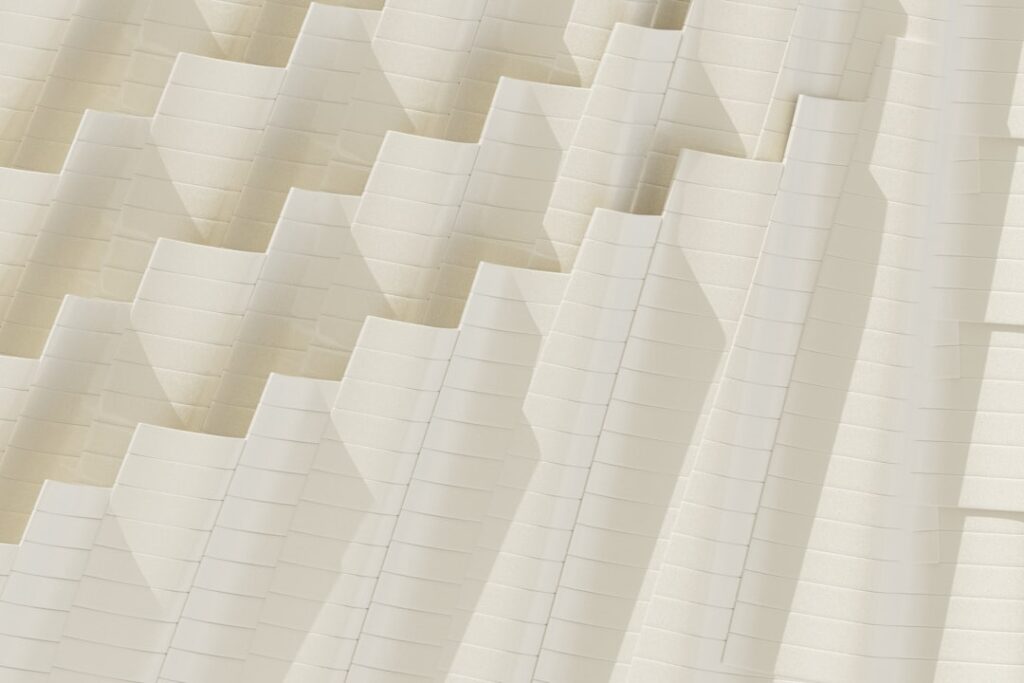
Honeycomb window blinds, also called cellular shades, are the quiet overachiever of the window-treatment world. Their pleated fabric folds into hollow chambers shaped like a honeycomb when viewed from the side, and those pockets trap air to insulate the glass. If your energy bills spike in summer and winter, these are usually the single most cost-effective upgrade you can hang.
Part of our Windows & Doors guide — explore the full guide →
Honeycomb window blinds stand out because they do two jobs at once: they control light beautifully and they cut heat transfer through the window. Few other shades can claim both without a big price jump.
- How the Honeycomb Design Works
- Where They Work Best in the Home
- Single Cell vs Double Cell
- Pleat Sizes and What They Mean
- Insulation, R-Value, and Energy Savings
- How They Compare to Other Shades
- Light Control, Top-Down Bottom-Up, and Cordless
- Measuring, Price, and Pros and Cons
- Getting the Best Value on Your Order
How the Honeycomb Design Works
The magic is in the trapped air. Each cell forms an insulating pocket between your room and the cold or hot glass, slowing heat transfer the way a double-pane window does. That is why cellular shades consistently outperform rollers and Roman shades on energy performance, and why the U.S. Department of Energy specifically calls them out as an efficient window covering.
The fabric is typically a spun-bonded polyester that holds its crisp pleat for years and resists fading. Because there are no slats, honeycomb shades stack up tightly when raised, giving you a clean, nearly unobstructed view out the top of the window.
Where They Work Best in the Home
Not every window benefits equally, so it pays to spend your budget where the payoff is highest. West and south-facing windows take the most solar beating, and a double-cell shade there does the most to tame afternoon heat and glare. Bedrooms are the classic case for blackout honeycomb, since the same shade that darkens the room also blunts outside temperature swings that wake light sleepers.
Rooms over an unconditioned space, like a bonus room above a garage, feel the insulation benefit acutely because the windows there are often a major source of heat loss. Kitchens and bathrooms are trickier: humidity and grease favor an easier-to-wipe surface, so a light-filtering single cell often works better there rather than a dust-catching double cell. Match the shade to how the room is actually used and you get comfort without overspending.
Single Cell vs Double Cell
The first real decision is cell count, and it comes down to how much insulation you need.
- Single cell: One row of pockets. Lighter, less expensive, and it stacks smaller when raised. A smart pick for mild climates and rooms where budget matters more than maximum efficiency.
- Double cell: Two rows of smaller pockets stacked front to back, creating an extra insulating air layer. It costs more and stacks a bit larger, but it delivers noticeably better thermal and sound performance. Choose it for very cold or very hot climates and large windows.
A good rule of thumb: if your winters drop below freezing or your summers push past 90 degrees regularly, the double cell pays back the premium in comfort and energy savings.
Pleat Sizes and What They Mean
Pleat size is the height of each fold, and it changes both the look and the fit. The three standard options are:
- 3/8 inch: The smallest, most refined pleat. Ideal for small or shallow windows and a tailored, modern look. It stacks very compactly.
- 9/16 inch: The most popular all-around size, balancing appearance and efficiency for the majority of standard windows.
- 3/4 inch: A larger pleat that suits big windows and taller openings, where a small pleat would look busy. It often provides slightly more insulation per cell.
Match the pleat to the window scale. A 3/4-inch pleat on a tiny bathroom window looks chunky, while a 3/8-inch pleat on a 7-foot patio window looks fussy and stacks taller than you expect.
Insulation, R-Value, and Energy Savings
Here is where honeycomb blinds earn their keep. A bare double-pane window has an R-value around R-2. Add cellular shades and you can raise the effective insulation of that window opening substantially, with double-cell blackout versions reaching roughly R-4 to R-5 range depending on fit and fabric.
Real-world payoff:
- The Department of Energy notes cellular shades can reduce heat loss through windows by up to around 40 percent in winter.
- In summer, they can cut solar heat gain significantly, easing the load on your air conditioner.
- A tight inside-mount fit with minimal side gaps captures the most of that benefit, so measure carefully.
The insulation is only as good as the seal. Big light gaps at the edges let air bypass the cells, so an outside mount or side channels help when maximum efficiency is the goal.
How They Compare to Other Shades
It helps to see where cellular shades land against the alternatives you are probably cross-shopping. Each has a role, but only one insulates seriously.
- Vs roller shades: Rollers are simpler and cheaper to clean, but a single flat layer of fabric offers almost no insulation. Honeycomb wins decisively on energy performance.
- Vs Roman shades: Romans are a designer look with soft fabric folds, yet they insulate poorly and cost more. Choose Romans for style, honeycomb for function.
- Vs faux-wood blinds: Blinds give tilt control and a classic look, but the slat gaps leak air and light. Honeycomb seals tighter and quiets the room.
For a homeowner whose priority is comfort and lower utility bills, honeycomb shades are almost always the better structural choice, with blinds or Romans reserved for rooms where a specific look drives the decision.
Light Control, Top-Down Bottom-Up, and Cordless
Fabric opacity ranges from light-filtering, which glows softly and preserves daytime privacy, to blackout, which uses a metallized inner liner to stop nearly all light. Bedrooms and nurseries almost always want blackout on an outside mount to kill edge leaks.
Two features are worth every dollar:
- Top-down bottom-up: The shade opens from the top or the bottom, so you can lower the top for daylight while keeping the lower half closed for privacy. It is an especially useful feature for street-facing bathrooms and dining rooms.
- Cordless lift: No dangling cords, which meets current U.S. child-safety standards and looks cleaner. Motorized upgrades add remote and smart-home scheduling.
Measuring, Price, and Pros and Cons
Measure inside mounts at three points for width and height, using the narrowest width and longest height, and confirm you have about 1 to 1.5 inches of flat depth for a recessed fit. Outside mounts should overlap the opening by at least 1.5 to 2 inches per side to control light.
On price, a standard single-cell honeycomb window blind runs roughly $30 to $80 per window from big-box and online sellers. Double-cell, blackout, and top-down bottom-up options push a typical mid-size window to $80 to $180, and motorized versions add $100 to $250 each. For custom-sized premium lines, budget more.
Specialty shapes are worth a mention because honeycomb fabric handles them well. Arched tops, angled rakes for vaulted windows, and skylight applications are all standard-order items, and the pleated fabric conforms to odd geometry more gracefully than rigid blinds. Cleaning is straightforward too: a monthly dusting with a vacuum brush or a hair dryer on the cool setting blows dust out of the cells, and most light stains lift with a lightly dampened cloth. Avoid soaking the fabric, since the cells hold water and can leave a ring as they dry.
The honest tradeoffs:
- Pros: Best-in-class insulation, clean cordless look, excellent light-control range, quiet operation, and a compact stack.
- Cons: Fabric cells can collect dust and are harder to spot-clean than blinds, blackout liners can develop pinholes over many years, and precise measuring is essential to get the energy benefit.
Getting the Best Value on Your Order
A few buying habits stretch your dollar without cutting quality. Standard sizes from stock lines cost far less than fully custom orders, so if your windows are close to a common size, an inside mount on a stock shade can save 30 to 40 percent. Order all your shades in one purchase to lock a single dye lot, since white and off-white fabrics can vary subtly between production runs and mismatched whites are obvious on a shared wall.
Prioritize your upgrades rather than buying every feature on every window. Put the double-cell blackout and top-down bottom-up on the two or three windows that truly need them, and run simpler single-cell light-filtering shades everywhere else. Motorization is best reserved for hard-to-reach windows over a stairwell or above a kitchen sink, where reaching a manual lift is a daily nuisance. A little triage like this often trims 20 percent off a whole-house quote.
Weigh those tradeoffs against the comfort and utility savings and it is easy to see why honeycomb window blinds remain one of the smartest window upgrades for the money.