If a client tells me their bedroom is freezing in January and roasting by August, the first thing I reach for is cellular window blinds. Also called honeycomb shades, these are the single most energy-efficient soft window treatment on the market, and the physics behind them is dead simple: the pleated fabric folds into hexagonal pockets that trap a layer of dead air right against the glass. That trapped air is what does the insulating, and it’s why cellular window blinds consistently outperform rollers, Romans, and standard blinds on any energy test I’ve seen.
Part of our Windows & Doors guide — explore the full guide →
Let me break down how they actually work, what to buy, and where I see people waste money.
- How the Honeycomb Design Insulates
- Single Cell vs. Double Cell
- Light Control Options
- Operating Systems and the Cordless Safety Rule
- Measuring for Cellular Shades
- Real Costs and Where to Buy
- Where Cellular Shades Shine, and Where They Don’t
- Cellular Shades vs. Other Treatments
- Common Mistakes and Pro Tips
How the Honeycomb Design Insulates
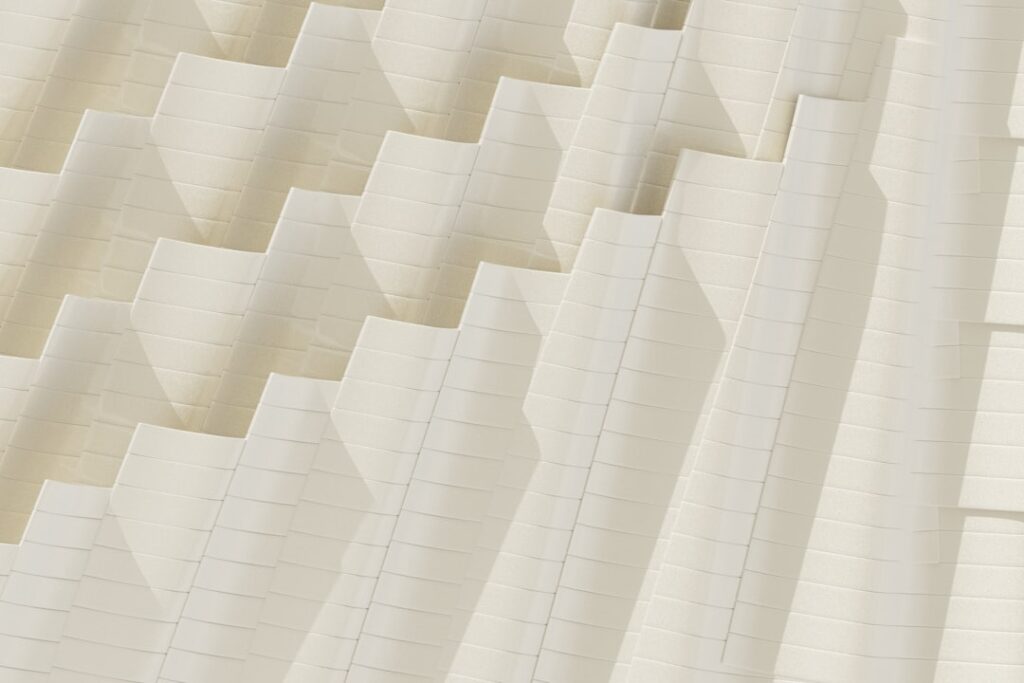
Look at a cellular shade in cross-section and you’ll see rows of little air-filled cells, like a honeycomb turned on its side. Air is a lousy conductor of heat, so those pockets slow the transfer of temperature between your glass and your room. In winter, warm indoor air stays in; in summer, blazing solar heat has a harder time getting through.
The measure of a window treatment’s insulating power is its R-value. A bare single-pane window sits around R-1. A double-cell cellular shade can push the total assembly to R-4 or R-5, roughly a fourfold improvement. The Department of Energy has noted that quality cellular shades can reduce solar heat gain by up to 60 percent and cut heat loss through windows by around 40 percent. On an old house with drafty windows, that’s real money back on your utility bill.
Single Cell vs. Double Cell
This is the first fork in the road, and it matters:
- Single cell: One row of pockets. The larger cell size (often 3/4 inch or 9/16 inch) gives a cleaner, more modern look and costs less. Good for milder climates and rooms where insulation isn’t the top priority. Expect $30 to $90 per window depending on size.
- Double cell: Two smaller cells stacked front to back, creating two air pockets instead of one. Noticeably better insulation and sound dampening. My default for bedrooms, north-facing rooms, and anyone in a hot or cold extreme. Runs $60 to $150 per window.
For a homeowner in Minnesota or Arizona, I’d never hesitate on double cell. For a mild coastal California room, single cell is plenty and saves you money.
Light Control Options
The fabric opacity is the second big decision, and it’s independent of cell count:
- Sheer / light-filtering: Softens daylight and gives daytime privacy while keeping the room bright. You can still see shadows through it at night, so not ideal for a bedroom facing the street.
- Semi-opaque: A middle ground that blocks more light and gives fuller privacy.
- Blackout / room-darkening: Contains an opaque mylar liner inside the cells. Blocks nearly all light through the fabric. Note that a standard shade still leaks light around the edges; for true darkness you need a side-channel or a system like Hunter Douglas Duette with LightLock, which uses U-shaped channels to seal the gap.
A common request is blackout for a nursery or a shift worker’s bedroom. In those cases I always upsell the side channels, because a room-darkening fabric alone still leaves an annoying halo of light around the shade.
Operating Systems and the Cordless Safety Rule
How you raise and lower the shade matters more than people expect. Your options:
- Standard corded: Cheapest, but a genuine strangulation hazard around kids and pets. Federal safety standards have pushed the industry hard away from these.
- Cordless: Push up or pull down by hand. Clean look, kid-safe, and my default recommendation. Adds about $15 to $30 per shade.
- Top-down/bottom-up: Lets you lower the top rail for light and privacy at the same time. Fantastic for bathrooms and street-facing rooms. Adds roughly $40 to $80.
- Motorized: Battery or hardwired, controlled by remote, app, or voice assistant. Ideal for tall or hard-to-reach windows. Figure $150 to $350 per window, more for hardwired.
If you have young children or grandkids visiting, go cordless or motorized. It is not worth the risk, and most reputable retailers won’t even sell corded cellular shades for standard sizes anymore.
Measuring for Cellular Shades
Cellular shades are forgiving compared to shutters, but you still need accuracy:
- For an inside mount, measure width at top, middle, and bottom; use the narrowest. Do not deduct anything, the factory does it for you. You need at least 5/8 inch of flat depth for the brackets to hide inside the frame.
- For an outside mount, measure the exact area you want covered and add 1.5 to 2 inches on each side and top for light control and overlap.
- Measure height at left, center, and right; for inside mounts use the longest to guarantee full coverage.
Round width down to the nearest 1/8 inch on inside mounts. A shade cut a hair too wide won’t fit, and a hair too narrow leaves ugly light gaps.
Real Costs and Where to Buy
For a whole house of 12 to 15 windows, expect to spend anywhere from $600 for basic single-cell cordless up to $3,000-plus for double-cell blackout with top-down/bottom-up or motorization. Online custom retailers like Blinds.com, SelectBlinds, and Bali often run 40 to 50 percent off, which undercuts the in-home consultation crowd substantially. The catch is you measure and install yourself.
Premium brands, Hunter Douglas Duette in particular, cost two to three times the online custom options but come with the best light-sealing tech, thicker fabrics, and a strong warranty. For most homeowners, a mid-tier custom shade hits the value sweet spot.
Where Cellular Shades Shine, and Where They Don’t
Not every window is a great candidate, so let me be straight about fit. Cellular shades are outstanding in bedrooms, where the blackout option and sound dampening genuinely improve sleep. They excel on large expanses of glass in living rooms and on energy-hungry north- and west-facing windows. Skylights are another perfect application; motorized cellular skylight shades tame the brutal overhead heat gain that bakes a room in July.
Where I hesitate is high-moisture and high-traffic spots. In a steamy bathroom, the fabric can absorb humidity and, over time, the pleats lose crispness; a faux-wood blind or a moisture-rated shade holds up better there. Behind a kitchen sink where grease and splatter fly, the fabric stains and doesn’t wipe clean the way a hard-slat blind does. And in a home with a big dog or a curious cat, the delicate fabric can snag. Match the material to the room and you’ll avoid a costly replacement down the road.
Cellular Shades vs. Other Treatments
To put cellular blinds in context, here’s how they stack against the alternatives homeowners usually cross-shop:
- Vs. roller shades: Rollers are cheaper and give a crisp modern look, but a single sheet of fabric on a tube insulates far worse. Cellular wins on energy, rollers win on price and minimalism.
- Vs. Roman shades: Romans are the style pick, with rich folds of designer fabric, but they insulate poorly and cost more. Choose Romans for decor, cellular for performance.
- Vs. faux wood blinds: Blinds handle moisture and abuse better and cost about the same, but leak light and air through every slat gap. Cellular seals the window; blinds give you a full open view.
- Vs. plantation shutters: Shutters last decades and add resale value but cost three to five times more. Cellular is the better bang-for-buck insulator.
For the specific goal of cutting energy bills and improving comfort on a reasonable budget, cellular shades are hard to beat, which is exactly why they’ve become the default recommendation from most energy auditors.
Common Mistakes and Pro Tips
A few things I wish every homeowner knew before ordering:
- Don’t skip the sample swatches. Whites read wildly different, from crisp bright white to warm ivory, and screen colors lie. Order free samples first.
- Match the cell size to the window scale. A tiny 3/8-inch cell looks lost on a big picture window; a larger cell suits it better.
- Watch the stack height. When raised, the folded fabric stacks up and eats a few inches of your view at the top. On a short window, that stack can hide 15 to 20 percent of the glass.
- Vacuum, don’t soak. Cellular fabric holds its shape best when you dust it with a soft brush attachment. Deep water cleaning can flatten the pleats.
Installed correctly, a set of cellular window blinds pays for itself in energy savings over several seasons while quietly doing its job in the background. For the combination of comfort, efficiency, and clean looks, I put honeycomb shades near the top of my recommendation list for nearly any room in the house.