Bali cellular shades are honeycomb-style window shades known for their insulating pockets, clean pleated look and wide range of lift and opacity options. Sold widely at home centers and online, they offer energy savings and light control at a mid-range price. This guide breaks down cell types, opacity, lift systems, energy performance and how to measure and buy them.
- How Cellular Shades Work
- Single Cell vs Double Cell
- Opacity Options
- Lift and Control Systems
- Energy Savings
- What They Cost
- How to Measure
- Installation Basics
- Care and Durability
- Color and Fabric Selection
- Bali Cellular vs Other Shade Types
- Measuring Mistakes to Avoid
- Warranty and What It Covers
- Understanding R-Value and Energy Ratings
- Best Rooms for Each Configuration
- Installation Step by Step
- Who They Suit
How Cellular Shades Work
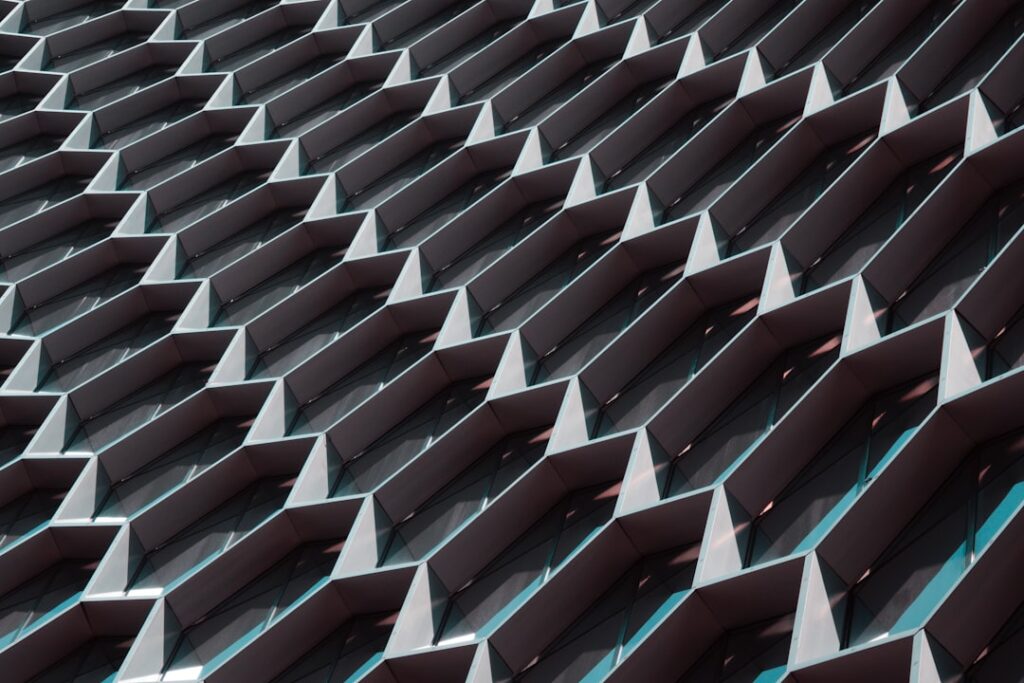
Cellular, or honeycomb, shades fold into rows of hexagonal pockets when raised. Those pockets trap a layer of air between the window and the room, creating an insulating barrier that slows heat transfer. That air-trap design is what sets cellular shades apart from flat pleated or roller shades.
Single Cell vs Double Cell
- Single cell: One row of pockets. Lighter, lower cost, and effective in mild climates or for standard windows.
- Double cell: Two rows of smaller stacked pockets, trapping more air for stronger insulation. Best for extreme climates and large or drafty windows.
Cell size also varies, commonly 3/8 inch and 3/4 inch. Smaller cells look tidier on short windows; larger cells stack more compactly and suit tall windows.
Opacity Options
Bali offers several light-control levels:
- Sheer / light filtering: Softens and diffuses daylight while keeping the room bright and private during the day.
- Room darkening: Blocks most light for bedrooms and living rooms without total blackout.
- Blackout: A continuous fabric liner blocks nearly all light for nurseries, media rooms and shift-worker bedrooms.
Lift and Control Systems
Bali sells cellular shades in several operating styles:
- Cordless: A wand-free push-up, push-down design that is child-safe and gives a clean face.
- Continuous cord loop: A beaded chain for easy lifting of large, heavy shades.
- Top-down / bottom-up: Lowers from the top or raises from the bottom so you get light up high while keeping privacy below.
- Motorized: Battery or hardwired motors with a remote or app, plus smart home integration.
Cordless and motorized options meet current child-safety guidelines by removing accessible cords.
Energy Savings
Cellular shades are among the most energy-efficient window treatments because of their trapped-air cells. In winter they reduce heat loss through the glass, and in summer they cut solar heat gain. Double-cell blackout versions perform best. While exact savings depend on window size, orientation and climate, insulating cellular shades can meaningfully reduce heating and cooling load at large or leaky windows.
What They Cost
- Single-cell light filtering: roughly $30 to $70 per standard window.
- Double-cell or blackout: roughly $60 to $130 per window.
- Top-down/bottom-up: add $20 to $40 per shade.
- Motorized: add $100 to $250 per shade.
Prices scale with size and features, and free samples let you check color and opacity before buying. Custom-cut shades ship to your exact measurements.
How to Measure
- Choose the mount: Inside mount for a recessed, tailored look; outside mount to maximize coverage and darkening.
- Inside width: Measure the opening at top, middle and bottom; report the narrowest. Do not deduct; the factory does it.
- Inside height: Measure left, center and right; report the tallest.
- Check depth: Confirm enough frame depth for a flush inside mount, typically around 1 inch or more.
- Outside mount: Add overlap on the sides and top, usually 1.5 to 3 inches per side, for light control.
Installation Basics
Bali cellular shades install with brackets that mount inside the frame or on the wall or trim. Screw the brackets level, snap in the headrail, and add hold-down brackets at the bottom for doors or high-traffic windows. Most DIYers install one in 15 to 20 minutes with a drill, level and screwdriver.
Care and Durability
- Dusting: Use a soft brush or a vacuum on low with a brush attachment.
- Spot cleaning: Blot stains gently with mild soap and water; avoid soaking the honeycomb cells.
- Dents: A hair dryer on low or gentle reshaping can restore a crushed cell.
Bali backs its shades with a limited warranty, and quality cellular shades typically last 8 to 12 years.
Color and Fabric Selection
Bali offers dozens of colors across its cellular lines, from crisp whites to warm neutrals and bolder tones. Keep in mind that the visible interior color and the exterior color can differ; many light-filtering fabrics show white or off-white on the street side for a uniform look from outside, which matters in HOA neighborhoods that require consistent window appearances. Order free samples and view them at different times of day, since a fabric that reads soft gray in morning light can look beige under afternoon sun. Textured and linen-look fabrics hide dust better than smooth white, an advantage in high-traffic rooms.
Bali Cellular vs Other Shade Types
- vs Pleated shades: Pleated shades are a single flat layer with no air pocket, so they cost less but insulate far worse. Cellular is the better value where energy matters.
- vs Roller shades: Rollers give a clean flat face and simple operation but lack the honeycomb insulation and the soft diffused light cellular shades provide.
- vs Roman shades: Roman shades add a soft fabric drape and decorative appeal but are pricier and less insulating.
- vs Faux wood blinds: Blinds tilt for view control but leak air between slats; cellular seals the window better for comfort and quiet.
Measuring Mistakes to Avoid
- Deducting yourself: For inside mounts, report the exact opening; the factory makes the clearance deduction. Deducting twice leaves a light gap.
- Measuring only one spot: Old window frames are rarely square, so always measure width and height in three places.
- Forgetting depth: A flush inside mount needs adequate frame depth; too shallow and the headrail protrudes or cannot mount inside at all.
- Ignoring obstructions: Cranks, locks and trim can interfere; note them before ordering.
Warranty and What It Covers
Bali backs cellular shades with a limited lifetime warranty on manufacturing defects for the original purchaser, and motorized components typically carry a shorter multi-year warranty on the motor and electronics. Keep your order confirmation, since the warranty is tied to the original buyer and window. Normal wear, sun fading over many years, and damage from improper cleaning are generally not covered, so gentle care extends both the look and the coverage of the shades.
Understanding R-Value and Energy Ratings
Cellular shades are prized for insulation, and the honeycomb design is why. A single-cell shade typically adds an R-value around R-2 to R-3 at the window, while a double-cell blackout shade can reach R-4 to R-5, meaningfully slowing heat transfer through the glass. Windows are the weakest thermal point in most walls, so this added insulation reduces winter heat loss and summer heat gain. In practical terms, insulating cellular shades on a large or drafty window can trim the heating and cooling load enough to notice on your bill, especially in extreme climates where the temperature difference across the glass is greatest.
Best Rooms for Each Configuration
- Bedrooms: Double-cell blackout with a cordless or motorized lift for darkness and safety.
- Living rooms: Single-cell light filtering to keep the space bright and inviting.
- Bathrooms: Top-down/bottom-up so you get daylight up high while keeping privacy below.
- Home offices: Light-filtering shades to soften glare on screens without darkening the room.
- Nurseries: Cordless blackout for total darkness and no accessible cords near a crib.
Installation Step by Step
- Confirm the mount: Inside mount needs adequate frame depth, roughly 1 inch or more; outside mount goes on the wall or trim.
- Mark bracket spots: Position brackets level near each end of the headrail, plus a center bracket on wide shades.
- Drill and anchor: Pre-drill pilot holes and add anchors if not hitting the frame or a stud.
- Screw in the brackets: Secure each bracket firmly.
- Snap in the headrail: Clip the shade into the brackets until it locks.
- Add hold-downs if needed: On doors or high-traffic windows, install bottom hold-down brackets to keep the shade from swinging.
A typical shade installs in 15 to 20 minutes with a drill, level and screwdriver.
Who They Suit
Bali cellular shades fit homeowners who want an energy-efficient, clean-looking shade at a moderate price with lots of customization. Choose double-cell blackout for bedrooms and harsh climates, single-cell light filtering for everyday living spaces, and top-down/bottom-up where you want daylight without sacrificing privacy.
In summary, bali cellular shades combine honeycomb insulation, a tidy pleated look and flexible light control at a mid-range price. Match single or double cells and your opacity to each room, pick a cordless or motorized lift for safety and convenience, measure carefully for an inside or outside mount, and enjoy lower energy bills along with adjustable privacy.