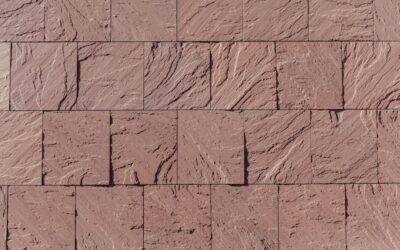
Nothing personalizes an outdoor space quite like outdoor mosaic tile. These small tiles, arranged into patterns, borders, and pictures, bring color, artistry, and a handcrafted feel to patios, pool surrounds, garden walls, and water features. From Mediterranean-inspired blues to modern geometric designs, mosaic tile lets you turn a plain surface into a genuine focal point. This guide explores the materials, design ideas, costs, and durability factors that make for a beautiful, long-lasting outdoor mosaic.
Part of our Tile & Grout guide — explore the full guide →
What Makes a Tile Suitable for Outdoors
Not every mosaic can survive outside, so material choice is critical. Outdoor mosaic tile must resist water, UV fading, and, in cold climates, the freeze-thaw cycle that cracks unsuitable tile. Porcelain and vitreous glass are the top performers because they are dense, nonporous, and frost resistant. Natural stone mosaics like slate and travertine work in mild climates but need sealing and freeze-rated selection. Whatever the material, the tile should carry a slip-resistant rating for any surface people walk on, and it should be rated specifically for exterior use rather than repurposed indoor tile.
Once your patio flooring is in place, think about how you’ll use the space. A gazebo adds shade and structure, while a good outdoor furniture set turns it into a spot you’ll actually want to hang out in. A deck box is also worth considering if you need somewhere to stash cushions and outdoor gear.
We may earn a commission when you purchase through our links.
Popular Materials
Each material brings a different look and set of strengths:
- Glass mosaic: Brilliant, jewel-like color that never fades, ideal for pools, water features, and accent walls. Reflects light beautifully.
- Porcelain mosaic: Extremely durable and frost proof, available in stone and concrete looks, great for patio floors and steps.
- Natural stone mosaic: Slate, travertine, and pebble mosaics offer organic texture, with pebble tile being a favorite for spa-like patios.
- Ceramic mosaic: Colorful and affordable for walls in mild climates, though less frost resistant than porcelain.
Glass and porcelain are the most reliable choices for demanding, wet, or freezing conditions.
Design Ideas to Inspire You
Mosaic tile is where you can be adventurous. Consider these approaches:
- Pool waterline and interior: Iridescent blue and green glass mosaics make water sparkle and add depth.
- Mediterranean patterns: Bold blue, white, and terracotta geometric or floral designs evoke Greece, Spain, and Morocco.
- Pebble spa floor: Natural pebble mosaics give an outdoor shower or hot tub area a soothing, barefoot-friendly texture.
- Accent borders: A mosaic band framing a plain concrete or porcelain patio adds a custom, finished edge.
- Feature walls and fountains: Cover a garden wall, fountain, or fire feature in mosaic for a striking centerpiece.
Where to Use Outdoor Mosaic Tile
The possibilities extend across the whole yard. Pool interiors, waterlines, and surrounds are the classic application, where glass mosaics resist chlorine and salt while adding shimmer. Patio floors and steps benefit from durable porcelain mosaics with slip resistance. Garden walls, outdoor kitchens, fountains, and fire pits become focal points when clad in colorful tile. Mosaic also works beautifully as a tabletop, a stair riser accent, or a decorative inlay set into a larger paver field. Because the tiles are small, they conform to curved and irregular surfaces that large tiles cannot.
Freeze Resistance and Climate
In regions with freezing winters, freeze-thaw durability is the single most important factor. Water absorbed into a porous tile expands when it freezes, cracking the tile and popping it off the substrate. To avoid this, choose porcelain or vitreous glass mosaics with very low water absorption, use a freeze-rated thinset and grout, and ensure the installation drains well so water does not pool. Natural stone can work in cold climates only if it is a dense, freeze-rated variety and is properly sealed. In warm, frost-free regions you have more freedom, including ceramic and softer stone options.
What Outdoor Mosaic Tile Costs
Mosaic tends to cost more per square foot than plain field tile because of the labor involved in making and setting it. Glass and porcelain mosaic sheets typically run $8 to $30 per square foot, with premium handmade, natural stone, or artisan glass mosaics reaching $40 or more. Installation is also higher than standard tile because the small pieces and detailed patterns take time; expect $10 to $25 per square foot in labor, and more for intricate custom designs or curved surfaces. Because mosaic is often used as an accent rather than covering huge areas, the total project cost can stay reasonable even with premium tile.
Installation Considerations
A durable outdoor mosaic depends on proper preparation. Keep these points in mind:
- Prepare a solid, stable substrate: Movement cracks mosaic quickly, so a rigid, well-cured base is essential.
- Waterproof pools and water features with the correct membrane and setting materials rated for constant immersion.
- Use exterior-grade thinset and grout that tolerate temperature swings and moisture.
- Plan for drainage and slope so water sheds away rather than pooling on the tile.
- Consider professional installation for pools, intricate patterns, and large areas, since mistakes are hard to correct.
Care and Maintenance
Outdoor mosaic tile is fairly low maintenance when the right material is chosen. Glass and porcelain need only occasional cleaning with mild soap and water, and they resist stains, algae, and fading. Natural stone mosaics require periodic sealing and gentle, pH-neutral cleaning. In all cases, keeping grout lines clean and sealed, unless you used epoxy grout, prevents mildew and staining. Rinse pool mosaics as part of normal pool care, and clear leaves and debris from patio mosaics promptly so organic stains do not set. With basic upkeep, a quality outdoor mosaic keeps its color and pattern for many years.
Choosing Colors and Patterns for Outdoors
Selecting color and pattern for outdoor mosaic tile involves a few considerations that differ from indoor design. Sunlight changes everything: colors that look muted in a showroom can appear far brighter outdoors, and glossy glass mosaics sparkle intensely under direct sun. Blues and greens are perennial favorites because they harmonize with water, sky, and foliage, which is why they dominate pool and water-feature installations. Warm terracotta, gold, and cream tones evoke Mediterranean and Spanish styles and pair beautifully with stucco and stone. Neutral pebble and stone mosaics blend into natural landscaping and create a calm, spa-like mood.
Pattern scale matters too. Bold, high-contrast geometric or floral patterns make a strong statement and work well as a defined feature, such as a patio medallion, a fountain, or an accent band framing a plainer field. Busy patterns can overwhelm a large area, though, so many designers reserve intricate mosaics for focal points and use simpler, tonal mosaics across broader surfaces. Consider how the mosaic will read from a distance, since a pattern that looks striking up close may blur into a single tone across a wide patio. It is also smart to account for maintenance: very light colors show dirt, algae, and pollen, while mid-tones and multi-color blends disguise them, keeping the surface looking clean between washes. Finally, tie the mosaic to its surroundings by pulling a color from your home’s exterior, your landscaping, or your outdoor furnishings so the installation feels integrated rather than random. Thoughtful color and pattern choices ensure your outdoor mosaic tile enhances the whole space and continues to look intentional and beautiful season after season. When in doubt, order a few sample sheets and set them outdoors in the exact spot they will live, checking them in both bright midday sun and softer evening light, since a color that dazzles at noon can look entirely different at dusk and this quick test prevents costly regret.
Final Thoughts
Outdoor mosaic tile is one of the most expressive ways to elevate a patio, pool, or garden, transforming ordinary surfaces into colorful, artful features that reflect your personal style. The key to success is matching the material to your climate, prioritizing porcelain and glass for durability and freeze resistance, and investing in proper substrate preparation and installation. Whether you dream of a shimmering blue pool, a Mediterranean-patterned patio, or a soothing pebble spa floor, outdoor mosaic tile can make your outdoor space feel like a true extension of your home.
Prefer to explore on your own?
See how new flooring looks in your actual room in seconds — free, no signup.
Try the free Floor Studio →