
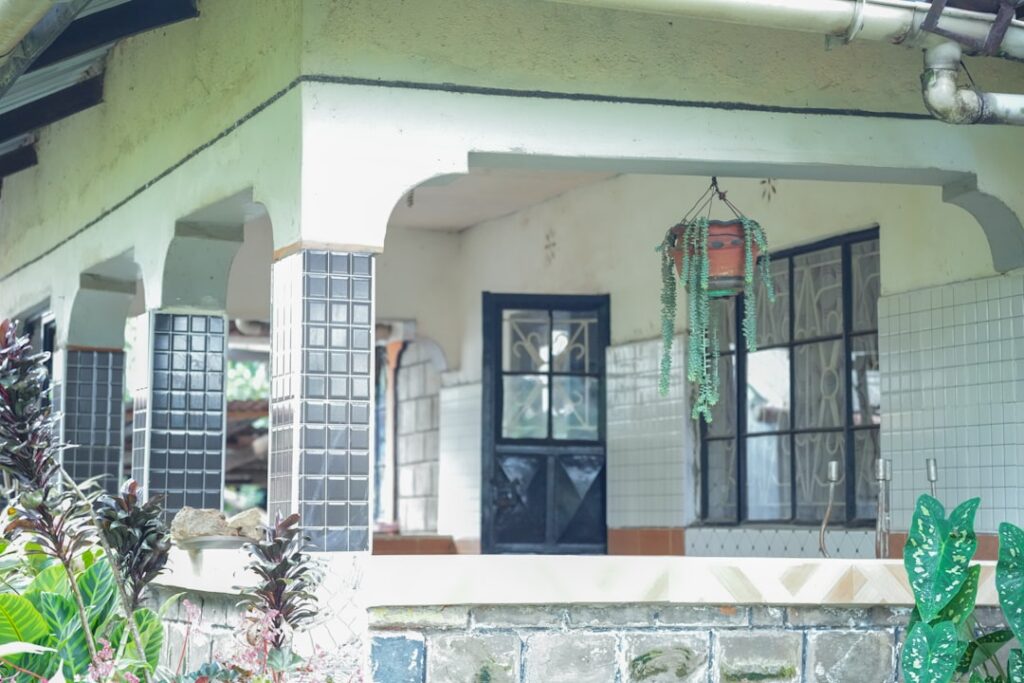
The tile that looks stunning on your kitchen floor can crack, spall, or turn into an ice rink the first winter it spends on your front porch. Choosing outdoor porch tile is a different game than choosing indoor tile, because the material has to survive UV exposure, driving rain, freeze-thaw cycles, and the reality that people walk on it with wet shoes. Get the selection right and you gain a durable, low-maintenance surface that looks great for decades; get it wrong and you are looking at a costly redo within a couple of seasons.
Part of our Tile & Grout guide — explore the full guide →
What Makes a Tile Suitable for Outdoor Use
Three properties separate genuine outdoor tile from indoor tile that happens to be pretty. The first is water absorption. Porch tile should be rated as impervious or vitreous, meaning it absorbs less than about 0.5 percent water, because any moisture that soaks into a tile will expand when it freezes and pop the surface apart. The second is slip resistance, measured by a coefficient of friction or DCOF rating; look for tile rated 0.42 or higher for wet areas so a rain-soaked porch does not become a hazard. The third is a hardness or PEI rating of at least 4 or 5, which handles the grit and traffic an exterior surface sees.
If you live anywhere that freezes, frost resistance is non-negotiable. A tile can be beautiful and durable indoors yet fail outdoors purely because it holds too much water. Always confirm the box or spec sheet says the tile is rated for exterior use in freezing climates before you buy.
Once your patio flooring is in place, think about how you’ll use the space. A gazebo adds shade and structure, while a good outdoor furniture set turns it into a spot you’ll actually want to hang out in. A deck box is also worth considering if you need somewhere to stash cushions and outdoor gear.
We may earn a commission when you purchase through our links.
Best Materials for Porch Tile
Several materials work outdoors, each with its own strengths.
- Porcelain: The top all-around choice. Dense, nearly waterproof, frost-proof, fade-resistant, and available in wood-look, stone-look, and concrete-look styles. Textured and structured finishes add grip.
- Natural stone (slate, granite, travertine): Beautiful and grippy, but porous, so it needs sealing and is best in milder climates. Slate and granite handle freeze better than soft travertine.
- Quarry tile: Unglazed fired clay with natural slip resistance, a classic for covered porches and entries.
- Concrete or cement tile: Durable and modern-looking, though it needs sealing to resist staining.
For most homeowners in most climates, exterior-rated porcelain with a textured finish is the safest, lowest-maintenance choice. It gives you the look of wood or stone without the sealing, fading, or freeze concerns those natural materials bring.
Covered vs. Uncovered Porches
How exposed your porch is changes what you can get away with. A fully covered porch that stays mostly dry can use a wider range of tile, including some polished stone and lower-slip finishes, because standing water and freeze-thaw are less of a threat. An open, uncovered porch that takes full sun and rain demands the most bulletproof options: impervious porcelain, a strongly textured slip-resistant surface, and frost resistance. Be honest about how much weather your porch actually sees, because that single factor drives every other decision.
What Outdoor Porch Tile Costs
Budget both for the tile and for the substantial prep an exterior installation requires. Rough material and labor ranges look like this:
- Exterior porcelain tile: $3 to $10 per square foot for materials.
- Natural stone: $5 to $20 per square foot depending on type and grade.
- Professional installation: $8 to $18 per square foot, higher if a mortar bed or waterproofing membrane is needed.
- A 120 sq ft porch: roughly $1,300 to $3,500 installed for porcelain.
Outdoor installs cost more than indoor ones because the substrate matters so much. Tile over an exterior concrete slab often needs an uncoupling or waterproofing membrane to handle movement and moisture, and that membrane and its labor add to the bill but dramatically extend the life of the job.
Installation Considerations
The substrate is everything outdoors. Tile is only as stable as what it is bonded to, so the slab must be sound, clean, and sloped slightly, about 1/4 inch per foot, away from the house so water drains rather than pools. Installers use a polymer-modified thin-set rated for exterior use, and in freezing climates an uncoupling membrane like Schluter Ditra helps absorb the movement that would otherwise crack rigid tile. Grout joints should be a bit wider outdoors, and many pros choose a flexible or exterior-grade grout to accommodate expansion.
Drainage deserves special attention. Water that sits on or under tile is the enemy in any climate that freezes, so proper slope, sealed edges, and good perimeter drainage do more for longevity than any premium tile choice. This is one project where hiring an experienced tile setter usually pays for itself, because exterior failures are expensive to fix.
Slip Safety and Maintenance
Because porches get wet, texture matters more than looks. Choose a matte, structured, or lightly textured surface rather than a polished one, and consider that darker tiles hide dirt while lighter tiles hide efflorescence and hard-water spots. Anti-slip treatments exist if you inherit a too-slick surface, but starting with the right finish is far better.
Maintenance is minimal for porcelain: sweep regularly, rinse with a hose, and wash occasionally with a mild cleaner. Natural stone and concrete tile need periodic resealing, typically once a year, to fend off stains and water intrusion. In winter, avoid rock salt and harsh de-icers on tile and grout; use a plastic shovel and sand for traction instead, since chemical de-icers can pit surfaces and degrade grout over time.
Choosing the Right Porch Tile
The winning formula for outdoor porch tile is simple to state and worth repeating: pick an impervious, frost-rated tile with a DCOF of at least 0.42, favor textured porcelain if you want the least maintenance, and spend on proper substrate prep and drainage rather than cutting corners there. Match the tile’s exposure rating to how covered your porch actually is, and confirm every spec on the box before you commit. Do that, and your porch will greet visitors with a surface that looks as good in its tenth year as it did on installation day, through every summer downpour and winter freeze.
Prefer to explore on your own?
See how new flooring looks in your actual room in seconds — free, no signup.
Try the free Floor Studio →

