The right tile can transform a plain porch into a polished extension of your home, but outdoor tile has to do more than look good. Smart porch tile ideas balance style with the demands of weather, foot traffic, and safety, which means choosing materials rated for outdoor use, slip resistance, and, in colder climates, freeze-thaw cycles. A gorgeous tile that cracks in winter or turns slick when wet is a poor choice no matter how it looks. Here is how to pick tile that performs as well as it shows off.
Why Porcelain Leads for Porches
For outdoor floors, porcelain tile is generally the top performer. It is denser and less porous than ceramic, which makes it highly resistant to water absorption, staining, and the cracking that comes from freezing temperatures. Look specifically for porcelain rated as frost-resistant or freeze-thaw rated if you live anywhere that drops below freezing, because this rating tells you the tile will not absorb water and crack when it freezes.
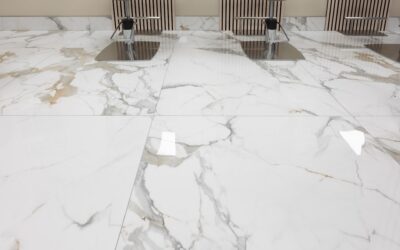
Equally important is slip resistance. Outdoor tile gets wet from rain, snow, and humidity, so choose tiles with a textured or matte surface and a high slip-resistance rating. The COF (coefficient of friction) rating measures this; a higher rating means better traction. Avoid polished, glossy tiles outdoors, since they become dangerously slick when wet.
With your porch floor looking fresh, it’s worth thinking about the finishing touches. A porch swing is a classic addition, and a retractable awning helps protect both the floor and your furniture from sun and rain.
We may earn a commission when you purchase through our links.
Material Options Beyond Porcelain
While porcelain is the workhorse, other materials can suit specific looks and climates:
- Natural stone: slate, granite, and travertine bring organic texture and beauty, though many stones need regular sealing and some are not ideal for hard freezes.
- Quarry tile: dense, unglazed clay tile with natural slip resistance and a warm earthy tone.
- Wood-look porcelain: the warmth of wood planks with the durability and weather resistance of porcelain.
- Concrete or cement tile: bold patterns and a modern look, though it requires sealing to resist moisture.
For mild climates without freezing, your options widen considerably. In freeze-prone regions, stick with frost-rated porcelain or freeze-tolerant stone to avoid cracking.
Patterns and Layout Ideas
Tile layout shapes the entire character of a porch. A few approaches consistently look great outdoors:
- Classic grid: clean and timeless, letting the tile color carry the design.
- Diagonal: turning square tiles 45 degrees makes a small porch feel larger.
- Herringbone: a dynamic, upscale pattern that works beautifully with wood-look planks.
- Patterned cement-look tiles: Spanish, Moroccan, or geometric prints create a striking statement floor.
- Large-format tiles: fewer grout lines for a sleek, modern, easy-to-clean surface.
Consider tying the porch tile to your home’s architecture and interior flooring for a cohesive flow, especially on a covered front porch that reads as part of the entryway.
Color and Style Choices
Color affects both look and practicality. Lighter tiles keep the porch cooler underfoot in hot, sunny climates and brighten a shaded space, but they show dirt and leaves more readily. Darker tiles hide dirt and lend a dramatic, grounded feel, though they absorb more heat in direct sun. Warm earth tones suit traditional homes, while gray and concrete-look tones fit modern exteriors. Wood-look porcelain offers natural warmth that pairs with nearly any style.
Grout and Drainage Considerations
Grout matters more outdoors than in. Choose a grout color slightly darker than the tile to hide the dirt that inevitably collects, and use a quality grout designed for outdoor or exterior use. Proper drainage is essential: the porch should be graded with a slight slope away from the house, typically a small fall over its length, so water runs off rather than pooling on the tile or against the foundation. Standing water leads to slips, staining, and, in cold climates, freeze damage.
Sealing and Maintenance
Sealing depends on the material. Dense porcelain generally does not need sealing, which is part of its appeal, though the grout lines often benefit from a grout sealer to resist staining and moisture. Natural stone and cement tiles usually do require periodic sealing to protect against water, stains, and weathering, and you will need to reapply that sealer on a schedule.
For everyday upkeep, sweep regularly to remove grit that can scratch the surface and clear leaves that trap moisture. Wash periodically with mild soap and water, and address spills and stains promptly. With routine care, a quality porcelain or stone porch floor stays attractive for decades.
Covered vs Uncovered Porches
Whether your porch is covered changes what tile will work. A covered front porch shielded from direct rain and snow gives you more flexibility; you can use damp-rated porcelain, some natural stones, and a wider range of finishes since the surface stays drier and warmer. An uncovered, fully exposed porch demands the toughest, most weather-resistant materials: frost-rated porcelain or freeze-tolerant stone, strong slip resistance for wet conditions, and meticulous attention to drainage and sealing. Exposed tile also faces UV fading and temperature swings, so choose colors and materials known to hold up outdoors. Identify which type of porch you have before shopping, because it narrows the field considerably and prevents an expensive mistake.
Installation Considerations
Outdoor tile installation is less forgiving than indoor work, and the substrate is everything. The tile needs a stable, properly prepared base, often a concrete slab in good condition or an appropriate exterior backer over a structurally sound surface. Cracks in the slab can telegraph up through the tile, so address them first, and consider a crack-isolation membrane on questionable substrates. Use a thinset mortar rated for exterior use and freeze-thaw conditions, and back-butter large tiles for full coverage so no voids trap water beneath them. Maintain consistent grout joints sized for the tile, and respect cure times before exposing the floor to weather or traffic. For uneven or deteriorating substrates, hiring an experienced tile installer is money well spent, since redoing a failed outdoor floor is costly.
Bringing It All Together
A standout porch floor starts with the right material, not just the right pattern. Prioritize frost-rated, slip-resistant porcelain for most climates, choose a layout and color that complement your home, plan for proper drainage and grout, and seal whatever needs sealing. Get those fundamentals right, and you can layer on the design ideas, from herringbone planks to bold patterned tiles, with confidence that your porch will look beautiful and stay safe through every season.
Prefer to explore on your own?
See how new flooring looks in your actual room in seconds — free, no signup.
Try the free Floor Studio →