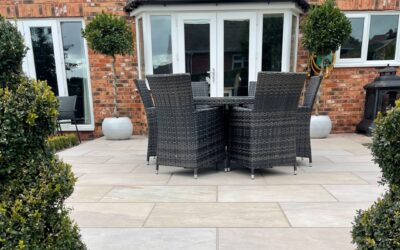
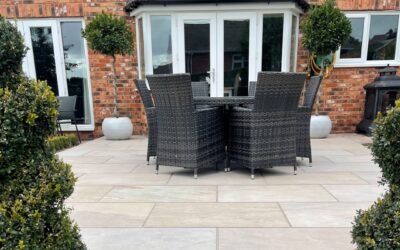
Outdoor flooring tiles transform patios, decks, balconies, pool surrounds, and walkways into functional living spaces that look as polished as your interior rooms. Unlike indoor flooring, outdoor tiles must withstand UV exposure, rain, freezing temperatures, and constant foot traffic without fading, cracking, or becoming dangerously slippery. This guide covers every outdoor tile material available in 2026, along with the performance ratings and pricing you need to make a confident decision.
Part of our Tile & Grout guide — explore the full guide →
- What Makes a Tile Suitable for Outdoor Use
- Porcelain Outdoor Tiles
- Natural Stone Outdoor Tiles
- Composite Deck Tiles
- Rubber Outdoor Tiles
- Installation Methods for Outdoor Tiles
- Maintenance by Material
- Other Outdoor Tile Materials Worth Considering
- Where Outdoor Tile Works Best
- Details That Prevent Outdoor Tile Failures
- Final Thoughts
- Frequently Asked Questions
What Makes a Tile Suitable for Outdoor Use
Not every tile that looks good indoors can survive outside. Outdoor flooring tiles must meet specific performance criteria to last in exposed environments.
Frost Resistance
Water absorption is the key factor in frost resistance. When a tile absorbs water and that water freezes, it expands and cracks the tile from within. Outdoor tiles must have a water absorption rate below 0.5 percent to be considered frost-proof (classified as “impervious” under ASTM C373). Tiles rated between 0.5 and 3 percent are “vitreous” and may survive mild frost but are not reliable in hard freeze zones.
Slip Resistance
Wet outdoor surfaces are a slip hazard. Outdoor tiles should have a minimum slip resistance rating of R10 (DIN 51130 standard) or a dynamic coefficient of friction (DCOF) of 0.42 or higher (ANSI A326.3). For pool decks and areas with standing water, R11 or R12 ratings provide an additional safety margin. Textured, matte, and bush-hammered finishes offer better grip than smooth, polished surfaces.
UV Resistance
Direct sunlight causes some materials to fade, chalk, or become brittle over time. Porcelain and natural stone are naturally UV-stable. Composite and rubber tiles should carry a UV-resistance rating or warranty specifically covering color retention under sun exposure.
Load Bearing
Outdoor tiles on patios and driveways may need to support heavy furniture, planters, vehicles, or snow loads. Breaking strength (measured in Newtons) indicates how much force a tile can withstand. Commercial-grade outdoor tiles typically exceed 2,000 Newtons breaking strength.
Once your patio flooring is in place, think about how you’ll use the space. A gazebo adds shade and structure, while a good outdoor furniture set turns it into a spot you’ll actually want to hang out in. A deck box is also worth considering if you need somewhere to stash cushions and outdoor gear.
We may earn a commission when you purchase through our links.
Porcelain Outdoor Tiles
Porcelain is the top choice for outdoor flooring tiles due to its exceptional durability, frost resistance, and design versatility.
Why Porcelain Excels Outdoors
Porcelain tiles are fired at 2,200-2,500 degrees Fahrenheit, producing an extremely dense body with water absorption below 0.5 percent. This makes them virtually frost-proof and resistant to staining, mold, and algae. Full-body porcelain tiles (where the color extends through the entire thickness) hide chips and wear, making them ideal for high-traffic outdoor areas.
Popular Formats
- 20mm pavers: Thick porcelain pavers (3/4 inch) can be laid directly on gravel, sand, or pedestals without mortar. They support vehicle weight and are the fastest-growing segment of outdoor tile flooring.
- Standard thickness (9-12mm): Installed with mortar on a concrete slab, similar to indoor tile installation. Suitable for covered patios and balconies.
- Large format (24×24 or 24×48 inches): Creates a sleek, modern look with fewer grout lines. Requires a perfectly level substrate.
- Wood-look planks: Porcelain planks that replicate wood grain provide the look of a wood deck with zero maintenance requirements.
Porcelain Pricing
Standard outdoor porcelain tiles cost $3-$8 per square foot. Premium 20mm pavers range from $5-$15 per square foot. Installation on mortar bed costs $6-$12 per square foot; pedestal or dry-lay installation costs $4-$8 per square foot.
Natural Stone Outdoor Tiles
Natural stone flooring brings authentic texture, color variation, and a timeless aesthetic to outdoor spaces. Several stone types perform well in exterior applications.
Slate
Slate is naturally slip-resistant due to its cleft (rough-split) surface texture. It handles freeze-thaw cycles well and comes in rich colors including charcoal, green, rust, and multi-toned blends. Slate requires sealing every 2-3 years to prevent staining. Price: $4-$10 per square foot.
Travertine
Tumbled travertine is a classic choice for Mediterranean and traditional outdoor spaces. Its naturally porous surface is slip-resistant but requires regular sealing to prevent water damage and staining. Travertine handles moderate frost but is not recommended for regions with severe freeze-thaw cycles. Price: $5-$15 per square foot.
Granite
Granite is one of the hardest and most durable natural stones. Flamed or bush-hammered granite provides excellent slip resistance and handles any weather condition. It is commonly used for outdoor steps, walkways, and commercial plazas. Price: $6-$20 per square foot.
Bluestone
Bluestone is a dense sandstone popular in the northeastern United States. It handles freeze-thaw cycles beautifully and develops a natural patina over time. Thermal-finished bluestone provides superior traction when wet. Price: $5-$12 per square foot.
Limestone
Honed or tumbled limestone creates an elegant outdoor surface with soft, warm tones. However, limestone is more porous and softer than granite or slate, requiring more frequent sealing and careful attention to drainage. Price: $5-$15 per square foot.
Composite Deck Tiles
Composite deck tiles are modular, interlocking tiles made from wood-plastic composite (WPC) or pure polymer materials. They offer a quick and affordable way to upgrade balconies, rooftop decks, and existing concrete patios.
How Composite Deck Tiles Work
Each tile features a composite surface mounted on a plastic grid base with interlocking connectors. Tiles snap together without tools, adhesive, or fasteners, and can be installed directly over flat surfaces including concrete, pavers, gravel, and existing decking. Most tiles measure 12×12 inches and can be cut to fit edges and corners.
Advantages
- No tools or professional installation required
- Removable and relocatable (ideal for renters)
- Built-in drainage through the grid base
- Available in wood-grain, stone, and contemporary patterns
- Resistant to rot, insects, and mold
- Low maintenance: sweep and hose off periodically
Limitations
- Not as durable as porcelain or natural stone under heavy furniture
- Can fade in intense sun without UV stabilizers
- Plastic base may become brittle in extreme cold after several years
- Surface may get hot in direct summer sun (especially dark colors)
- Grid joints collect debris that requires occasional cleaning
Composite Deck Tile Pricing
Budget composite tiles cost $2-$4 per square foot. Premium brands with co-extruded caps and UV-stabilized formulas run $4-$8 per square foot. The elimination of installation labor costs makes composite tiles the most affordable outdoor tile option for total project cost.
Rubber Outdoor Tiles
Rubber flooring tiles are the safety-first choice for playgrounds, gym areas, pool decks, and any outdoor space where slip resistance and impact absorption are priorities.
Types of Outdoor Rubber Tiles
- Solid rubber tiles: Dense, heavy tiles (typically 1-2 inches thick) made from vulcanized or recycled rubber. They provide excellent shock absorption and are standard for playground surfaces. Price: $4-$10 per square foot.
- Interlocking rubber pavers: Modular pavers made from recycled tire rubber. They interlock without adhesive and are common for patios, walkways, and garage areas. Price: $3-$7 per square foot.
- Rubber rolls: Continuous rubber sheeting that can be cut to fit any outdoor space. Ideal for gym areas and functional spaces. Price: $2-$5 per square foot.
Benefits of Outdoor Rubber Tiles
- Superior slip resistance, even when wet
- Impact absorption reduces injury risk from falls
- Handles freeze-thaw cycles without cracking
- Drains quickly due to permeable material
- Quiet underfoot, reducing noise
- Made from recycled materials (environmentally friendly)
Limitations
Rubber tiles can emit a noticeable odor when new, especially in hot weather. They may shift on slopes without adhesive or edging. Color options are limited compared to porcelain or stone, with black, gray, red, blue, and green being the most common.
Installation Methods for Outdoor Tiles
The installation method depends on the tile material, substrate, and desired permanence.
Mortar Bed (Wet Set)
Traditional mortar installation bonds tiles permanently to a concrete slab. This method works for porcelain, natural stone, and some ceramic tiles. The substrate must be structurally sound, level, and properly sloped for drainage (minimum 1/4 inch per foot away from structures). Use a polymer-modified thinset rated for exterior use.
Pedestal System
Adjustable pedestals support 20mm porcelain pavers above a flat surface, creating a raised floor with drainage beneath. This method is popular for rooftop decks and patios over waterproof membranes. Pedestals compensate for slight slope variations and allow easy access to surfaces below.
Dry Lay on Gravel or Sand
Thick porcelain pavers and natural stone can be laid on a compacted gravel or sand bed without mortar. This permeable installation allows rainwater to drain through the joints, reducing runoff. Polymeric sand or gravel fills the joints to prevent tile movement.
Interlocking (Snap Together)
Composite deck tiles and rubber tiles use interlocking connections that require no tools or adhesive. They install directly over any flat, stable surface. This is the easiest and fastest outdoor tile installation method.
Maintenance by Material
- Porcelain: Sweep and wash with water. No sealing required. Treat algae with a mild bleach solution annually.
- Natural stone: Seal every 1-3 years depending on stone type. Clean with pH-neutral stone cleaner. Avoid acid-based cleaners on limestone and travertine.
- Composite: Sweep debris from grid joints. Wash with soap and water. Apply UV protectant annually if not built into the product.
- Rubber: Sweep and hose off. Remove embedded debris with a stiff brush. Rubber does not require sealing or coating.
Other Outdoor Tile Materials Worth Considering
Cement Tile
Handmade cement tiles bring saturated color and detailed patterns to covered patios, outdoor kitchens, and entry paths. They are porous, so they need a penetrating sealer before grouting and regular resealing after that. Keep them under a roof or in mild climates, since repeated freeze-thaw cycles can damage an unsealed or worn surface. Expect a higher material cost than standard porcelain.
Quarry Tile
Unglazed quarry tile is a thick, dense, budget-friendly option with a naturally grippy surface. Its classic red-brown tones suit rustic and traditional patios and walkways. Because it is unglazed, it benefits from a breathable sealer in areas exposed to grease or leaves that can stain.
Where Outdoor Tile Works Best
- Patios and porches: The most common use, creating a durable outdoor room at the main entry or off the kitchen.
- Pool surrounds: Choose textured porcelain with an R11 rating or better, because bare feet and splashing water are constant.
- Outdoor kitchens: Dense porcelain cleans up easily after grease and food spills.
- Balconies and rooftop terraces: Pedestal-mounted pavers keep weight low and let water drain to the membrane.
- Driveways: Only thick 20mm or heavier porcelain pavers on a properly compacted base should carry vehicles.
- Garden paths: Single pavers can be set into lawn as stepping stones. Dig a shallow pocket for each paver, add a thin compacted gravel base, and set the paver level with or slightly higher than the surrounding soil.
Details That Prevent Outdoor Tile Failures
Movement Joints
Outdoor tile heats up and cools down far more than an interior floor. Plan flexible movement joints filled with exterior-rated sealant roughly every 8 to 12 feet in each direction, plus at every edge where tile meets a wall, post, step, or different material. Skipping these joints is one of the most common causes of tenting and cracked grout.
Exterior-Rated Setting Materials
In freeze zones, use only flexible, exterior-rated thinset and grout. Standard interior products lack the flexibility to handle freeze-thaw cycles and tend to crack within a few winters.
Winter Care
Avoid rock salt and other chloride de-icers on tile, stone, and grout, since they can etch surfaces and break down joints. Sand for traction or a calcium magnesium acetate de-icer is a gentler choice. If you pressure wash in spring, use a wide fan tip held at a distance so the spray does not blast grout out of the joints. Check grout and movement joints each year and repair cracks before water gets underneath.
Final Thoughts
Outdoor flooring tiles give you the power to extend your living space into the open air with a surface that performs year-round. Porcelain pavers offer the best combination of durability, design, and weather resistance. Natural stone delivers unmatched beauty for those willing to invest in periodic sealing. Composite deck tiles provide the easiest installation for renters and budget-conscious homeowners. And rubber tiles prioritize safety above all else. Choose the material that matches your climate, usage, and aesthetic goals, and your outdoor space will look and function beautifully for years to come.
Frequently Asked Questions
Can I use indoor tile outdoors?
Usually not. Many indoor tiles absorb more water and have smoother finishes, so they can crack in freezing weather and get slippery when wet. Confirm that a tile is rated for exterior use, frost resistance, and wet slip resistance before installing it outside.
How long does outdoor tile last?
Well-installed outdoor porcelain commonly lasts 30 to 50 years or more, and natural stone can last even longer. Grout, sealant joints, and the setting bed usually need attention well before the tile itself wears out.
Is outdoor tile slippery when wet?
It does not have to be. Textured or matte porcelain rated R11 or higher, or with a wet DCOF of at least 0.42, gives secure footing. Keeping the surface clean of algae, moss, and leaves also preserves traction.
Can outdoor tile handle heavy furniture and planters?
Yes. Exterior porcelain pavers and natural stone handle normal patio furniture without trouble. Put pads under furniture feet to prevent scuffs and spread the load of very heavy planters with a wheeled caddy or wide base.
Prefer to explore on your own?
See how new flooring looks in your actual room in seconds — free, no signup.
Try the free Floor Studio →