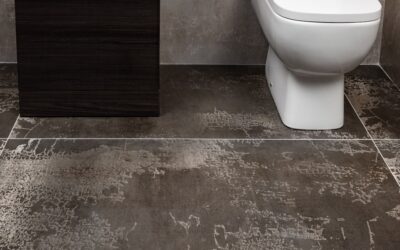
Pull up the failed flagstone or cracked concrete in any 20-year-old yard and you will find the same problem — the wrong material was used for the wrong job. The best backyard tiles for patios, pool decks, walkways, and outdoor kitchens have specific specs that separate them from indoor tile. UV stability, slip resistance, freeze-thaw rating, and bond strength all matter once a product moves outside. After surfacing dozens of patios across Florida and the Carolinas, I will walk you through what works and where each material belongs.
Part of our Tile & Grout guide — explore the full guide →
Porcelain Pavers Lead the Category
Twenty-millimeter porcelain pavers are the single biggest shift in outdoor surfacing over the last decade. These thick porcelain tiles look like stone, concrete, or wood plank but resist freezing, fading, and staining better than any natural material. Sizes range from 12×24 inches to massive 24×48 panels.
Installation runs $14 to $28 per square foot installed depending on substrate. Three install methods work outdoors — direct mortar bed over concrete, pedestal system over rooftops and decks, and dry-set in sand and gravel like traditional pavers. The pedestal method is what makes porcelain pavers ideal for rooftop terraces and balconies where weight matters.
Natural Stone for Traditional Yards
Travertine, bluestone, slate, and granite remain go-to choices for traditional and Mediterranean designs. Each behaves differently outdoors.
- Travertine — Italian and Turkish quarries dominate supply, $9 to $18 per square foot installed, cool underfoot, requires sealing every 2 to 3 years
- Bluestone — Pennsylvania and New York quarries, $15 to $30 per square foot installed, dense and durable, naturally slip-resistant
- Slate — varied color from green to copper to gray, $12 to $25 per square foot installed, can flake in extreme freeze-thaw climates
- Granite — strongest stone option, $18 to $40 per square foot installed, polished surfaces are slippery wet, flamed finish is safer
Natural stone hides its imperfections and aging — chips look like character, not damage. Porcelain mimics the look but rarely passes the touch test up close. If you want stone, buy real stone.
Rubber Tiles for Play Areas
Interlocking rubber tiles serve a specific outdoor role — play surfaces, gym areas, and around hot tubs. Made from recycled tire rubber, these tiles measure 1.5 to 2.5 inches thick and absorb impact from falls up to 8 feet. Pricing runs $4 to $12 per square foot.
The downside is appearance. Rubber tiles look industrial — black with color flecks, or solid primary colors. They also off-gas in direct summer sun for the first few months, with a noticeable tire smell. Use them where function matters more than aesthetics — under a swingset or around a portable spa.
Composite Deck Tiles
Composite deck tiles interlock over existing concrete, brick, or even compacted gravel. Brands like NewTechWood and IKEA Runnen sell 12-inch squares for $4 to $14 per square foot. Installation is genuinely tool-free — just snap the tabs together and trim edge pieces with a circular saw.
These tiles solve renter and short-term homeowner problems beautifully. You can cover an ugly slab in an afternoon, then pull them up and take them with you. The trade-off is durability — composite deck tiles last 8 to 15 years versus 50+ for porcelain or stone.
Slip Resistance Is Non-Negotiable
Wet outdoor surfaces send tens of thousands of homeowners to emergency rooms every year. Every tile material has a slip rating, and outdoor installs need a Dynamic Coefficient of Friction (DCOF) of at least 0.42 when wet. Pool decks should target 0.60 or higher.
Check the manufacturer’s data sheet before buying. Polished travertine, glossy porcelain, and high-gloss natural stone fail this test routinely. Honed, tumbled, flamed, or textured finishes pass. Around pools, look for “R11” or higher Ramp Test ratings — these are slip ratings specifically tested for barefoot wet conditions.
The Substrate Decides Everything
I have torn up more outdoor tile installs because of bad substrate than bad tile. Three approaches work depending on climate and tile choice.
- Concrete slab — most stable, allows thin-set adhesion, needs control joints honored in the tile layout
- Compacted base of crushed limestone and sand — for dry-set pavers, requires 4 to 6 inches of compacted base below frost line
- Pedestal system — adjustable pedestals over rooftops or membrane decks, allows water to drain below the tile
Skipping subgrade compaction in northern climates guarantees frost heave by the second winter. Pay the extra $400 to $800 for proper base prep. The fix later runs ten times that amount.
Grout and Joint Filler for Outdoor Use
Indoor grout fails outdoors. UV breaks down standard cement-based grout within five years, and freeze-thaw cycles crack it faster. Use a polymer-modified grout rated for exterior use — Mapei Keracolor U, Ardex FG-C, and Custom Building Products Prism are common picks at $35 to $60 per 25-pound bag.
For dry-set pavers, polymeric sand replaces grout. Spread it across the joints, sweep into the gaps, and mist with water. The polymer cures into a flexible joint that resists weeds, ants, and wash-out. Plan on $30 to $50 per 50-pound bag, covering roughly 100 square feet.
Sealing and Long-Term Care
Porcelain needs no sealer. Natural stone and concrete pavers do. Use a penetrating siloxane or silane sealer rather than a topical coating — surface sealers turn glossy and trap moisture, which causes spalling. Brands like Aqua Mix and StoneTech are widely available at tile supply houses.
Reseal travertine and limestone every 2 to 3 years. Granite and slate stretch to 4 to 5 years. Check by sprinkling water — if it beads, you are good; if it absorbs in seconds, time to reseal. Skip this maintenance and oil, leaf tannins, and mineral deposits permanently stain the stone.
Matching Tile to Yard Use
Pick by function, then narrow by aesthetic.
- Pool deck — textured porcelain or flamed granite, DCOF above 0.60
- Outdoor kitchen floor — 20mm porcelain pavers, easy to clean spilled grease
- Dining patio — bluestone or large-format porcelain, smooth enough for chair legs
- Walkway — natural stone slabs or precast concrete pavers
- Play area — rubber tiles or pea gravel under composite deck tiles
The right backyard tiles depend on climate, traffic, and how much maintenance you tolerate. Spend more on substrate prep and sealer, less on chasing the cheapest material, and the install lasts decades rather than seasons.
Prefer to explore on your own?
See how new flooring looks in your actual room in seconds — free, no signup.
Try the free Floor Studio →