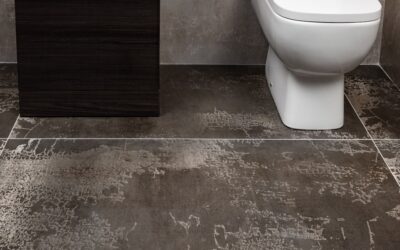
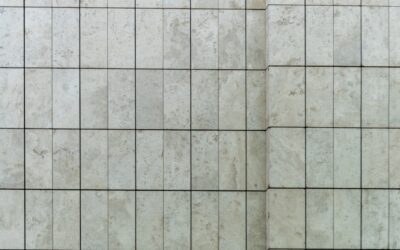
Walk through any model home backyard and the patio looks magazine-perfect — until you find out two years later that the homeowner is on their third tile installation because the original product cracked, faded, or popped off in the first freeze. Patio flooring tiles live a brutal life: UV, freeze-thaw cycles, foot traffic, grill grease, and patio furniture all attacking the same surface. After installing outdoor tile across multiple climate zones, I have a clear pecking order on what works and what wastes your money.
Part of our Decks & Outdoor guide — explore the full guide →
- The Materials That Actually Hold Up Outside
- Porcelain Is the Default Pick for Most Patios
- Natural Stone Looks Beautiful but Needs Maintenance
- Installation Methods That Determine Lifespan
- Slip Resistance Matters More Than You Think
- Freeze-Thaw Performance Is Non-Negotiable in Cold Climates
- Sealers, Grout, and the Long Game
- How to Pick the Right Patio Tile for Your Project
The Materials That Actually Hold Up Outside
Not every tile rated for indoor use can survive an outdoor patio. The key specifications to check are water absorption (porcelain at less than 0.5 percent is the gold standard), freeze-thaw rating, and slip resistance (DCOF wet 0.42 minimum, ideally above 0.50). The materials that consistently perform:
- Through-body porcelain — frost-resistant, color runs through the tile, chips don’t show, best for cold and wet climates
- Natural stone (granite, bluestone, travertine) — premium look and feel, requires sealing, slate and travertine handle freeze-thaw well
- Concrete pavers — durable, repairable, mid-range cost, available in many textures
- Composite deck tiles (interlocking) — best for renters or temporary installs over existing surfaces
- Rubber outdoor tiles — soft underfoot, great for play areas and rooftop installations
What does not belong outside: standard ceramic tile, polished marble, and most laminate-faced products. They look fine on day one and cracked or stained by month 18.
Once your patio flooring is in place, think about how you’ll use the space. A gazebo adds shade and structure, while a good outdoor furniture set turns it into a spot you’ll actually want to hang out in. A deck box is also worth considering if you need somewhere to stash cushions and outdoor gear.
We may earn a commission when you purchase through our links.
Porcelain Is the Default Pick for Most Patios
20mm thick outdoor porcelain pavers — also called 2cm pavers — have transformed the patio market in the past decade. They lay over a compacted gravel base just like traditional stone pavers, but the surface is impervious to water and stain. You can leave a glass of red wine spilled overnight on porcelain and wipe it clean in the morning. Stone would have a permanent ring.
Pricing for 24×24 outdoor porcelain pavers ranges from $6 to $14 per sq ft for the tile itself. Installation over compacted gravel adds $5 to $9 per sq ft. Installation on a concrete slab using thinset adds $4 to $7. Total installed cost lands between $11 and $23 per sq ft depending on prep work and pattern complexity.
Natural Stone Looks Beautiful but Needs Maintenance
Bluestone, flagstone, slate, and travertine offer texture and a premium feel that printed porcelain cannot match. The trade-off is annual sealing. Without it, organic stains soak in, freeze-thaw flakes the surface, and acid rain etches polished finishes.
Expect $8 to $20 per sq ft for material on natural stone, plus $7 to $12 per sq ft installed. Travertine is the budget natural stone pick at the low end of that range; honed bluestone sits near the top. All natural stone needs penetrating sealer like Aqua Mix Sealer’s Choice Gold reapplied every 12 to 24 months in northern climates and more often in the South where UV is harsher.
Installation Methods That Determine Lifespan
How you install patio flooring tiles affects performance more than the tile itself. The three common methods:
- Mortar-set over concrete slab — most durable, requires existing slab in good condition, frost-resistant only with proper expansion joints every 8-12 feet
- Pedestal-mounted — adjustable plastic pedestals lift tiles 1 to 6 inches above subsurface, allows water drainage and access to anything below, great for rooftops
- Sand-set or gravel-set — pavers laid over a compacted base, easiest to repair, slight settling expected over time
For ground-level patios in any climate that freezes, the gravel-set method handles seasonal movement without cracking. Mortar-set over a slab works only if the slab is structurally sound and properly jointed.
Slip Resistance Matters More Than You Think
The DCOF (Dynamic Coefficient of Friction) measurement is on every reputable tile spec sheet. For pool decks and any frequently wet surface, you need DCOF wet of at least 0.42, preferably above 0.50. Highly polished or honed stone often comes in below that threshold and turns into an ice rink when wet.
Textured surfaces — flamed granite, tumbled travertine, structured-face porcelain — handle wet conditions safely. Smooth surfaces look great but become a liability around pools and in rainy climates. If kids and elderly family members use the patio, do not compromise on slip rating.
Freeze-Thaw Performance Is Non-Negotiable in Cold Climates
In any zone that drops below freezing in winter, water inside a porous tile expands when it freezes and shatters the material from within. Through-body porcelain rated for freeze-thaw cycling is the only safe ceramic-style choice. Natural stones vary — granite and slate are reliable; some travertines and limestones flake under repeated freezing.
Always check the manufacturer spec sheet for ASTM C1026 freeze-thaw resistance. Tile rated for indoor-only use will fail outside in the first cold winter, regardless of price tag.
Sealers, Grout, and the Long Game
Use exterior-grade grout with polymer additives. Standard sanded grout cracks under thermal movement. Epoxy grout is the most durable option but expensive at $4 to $6 per sq ft for material and labor. Urethane grout is a strong middle ground that flexes with temperature changes.
For natural stone, apply a penetrating sealer immediately after installation and reapply on the schedule above. For porcelain pavers, sealer is optional but recommended on the grout joints to prevent staining and moss growth.
How to Pick the Right Patio Tile for Your Project
Start with climate and traffic. If you live anywhere with freezing winters, restrict the choice to through-body porcelain, granite, slate, or concrete pavers. If you want a softer look, lean toward textured travertine in milder climates. If the patio sees heavy entertaining, prioritize stain resistance — porcelain wins on this.
Order full-size samples and leave them outside for two weeks before committing. Watch how rain beads, how the surface feels barefoot in the morning sun, and how dirt washes off. The right patio flooring tiles will give you 25 years of outdoor enjoyment with minimal maintenance. The wrong ones will frustrate you within a single season.
Prefer to explore on your own?
See how new flooring looks in your actual room in seconds — free, no signup.
Try the free Floor Studio →