A bathroom floor takes more abuse than any other surface in a small space. Standing water, hot showers, chemical cleaners, dropped curling irons, and barefoot traffic all hit the same 40 to 80 square feet of material. Picking the right bath flooring means weighing waterproof performance, slip resistance, temperature comfort, and resale value against a tight budget that usually lands between $400 and $2,800 for materials in a typical full bath.
- Porcelain Tile Is Still the Gold Standard
- Luxury Vinyl Plank for Budget and Comfort
- Natural Stone: Beautiful but Demanding
- Heated Floors Change the Conversation
- Subfloor and Underlayment Prep
- Slip Resistance: The Number That Saves a Hospital Trip
- What to Avoid in a Bathroom
- Putting It All Together
- Grout and Sealing Decisions
Porcelain Tile Is Still the Gold Standard
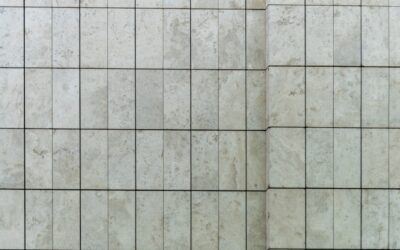
For a primary or hall bath, porcelain tile beats every other material on long-term durability. Water absorption sits below 0.5 percent, meaning the tile itself cannot soak up moisture. PEI ratings of 3 to 5 cover residential to light commercial wear. Pricing runs $2 to $8 per square foot for the tile, with installed costs of $9 to $18.
Look for a Dynamic Coefficient of Friction (DCOF) of 0.42 or higher on any tile going on a wet floor. The ANSI A137.1 standard requires this for commercial wet areas, and it is the right baseline for a bathroom. Daltile’s Emerson Wood and MSI’s Tribeca series both meet the threshold and look like wood plank.
Luxury Vinyl Plank for Budget and Comfort
LVP and LVT have taken serious market share in bathrooms because they are waterproof, warmer underfoot than tile, and DIY-friendly. Quality SPC (stone-plastic composite) cores resist denting and dimensional movement. COREtec Pro Plus, Shaw Floorte Pro, and Mohawk SolidTech all run $3 to $6 per square foot.
The weak spot is the seams. Click-lock LVP is water-resistant at the joint but not bulletproof under standing water for hours. For a full bath, run a continuous bead of silicone at the perimeter and consider a glue-down LVT product if the room sees heavy moisture from a curbless shower or steam unit.
Natural Stone: Beautiful but Demanding
Marble, travertine, slate, and limestone produce stunning bath floors but require ongoing care. Polished marble is slippery when wet, scratches easily, and etches from any acid (lemon juice, vinegar, some cleaners). Honed marble offers better grip but still needs sealing every 6 to 12 months with a penetrating sealer like Miracle Sealants 511 or Aqua Mix Sealer’s Choice Gold.
Slate and travertine handle moisture better than marble and offer natural slip resistance. Expect to pay $7 to $15 per square foot for tile and $14 to $25 installed. Tumbled travertine in 12×12 or 18×18 sizes is a classic look that costs less than marble and ages well.
Heated Floors Change the Conversation
Electric radiant heat under tile is one of the highest-ROI bathroom upgrades. A Schluter DITRA-HEAT or Warmup mat system runs $8 to $12 per square foot installed and converts a cold tile floor into a 78 to 82 degree surface. A 40 sq ft bath floor costs $320 to $480 in heat materials plus a thermostat (Warmup Tempo runs about $130).
Operating cost is roughly $0.50 to $1.50 per day at 4 hours of use. The mats also help dry the floor after showers, reducing mildew risk. If you are tiling anyway, the incremental cost is the cheapest comfort upgrade in any remodel.
Subfloor and Underlayment Prep
Bath floors fail more often from bad prep than bad material. For tile, the standard is a cement backer board like Hardibacker or Durock screwed to a structurally sound subfloor, with the seams taped and thinset-coated. Schluter Kerdi and DITRA membranes add crack isolation and waterproofing for $2 to $4 per square foot.
For LVP, the subfloor needs to be flat within 3/16-inch over 10 feet. High spots get sanded, low spots filled with a self-leveling compound like Mapei Planipatch or Henry 555. Skip this step and the seams will telegraph and click apart within months.
Slip Resistance: The Number That Saves a Hospital Trip
Wet bathroom floors send 230,000-plus people to ERs annually in the US. Look for textured surfaces, smaller tile sizes (more grout lines mean more grip), and DCOF ratings above 0.42. Mosaic tiles in 1×1 or 2×2 sizes work particularly well in shower floors because the grout joint density adds traction.
For aging-in-place projects, consider a textured porcelain like Daltile’s QuicTile or Schluter Trep-S edge profiles at any step. ANSI A137.1 wet certification is the minimum spec for senior-friendly design.
What to Avoid in a Bathroom
Some materials simply do not belong on a bath floor. Solid hardwood cups and stains permanently from steam and splashes. Standard laminate has fiberboard cores that swell on water exposure, even waterproof claims. Cork is comfortable but stains easily and needs aggressive sealing. Carpet in bathrooms is a moisture and mildew trap from day one.
Engineered hardwood with a waterproof rating, like Mohawk RevWood Plus, can work in a half bath or powder room with no shower, but a full bath still belongs to tile or quality LVP.
Putting It All Together
For most homeowners, the right bath flooring decision comes down to budget and use. A primary bath with daily showers and resale considerations earns porcelain tile with radiant heat. A guest bath or basement bath does fine with quality LVP at half the install cost. Powder rooms can go decorative with pattern tile or even engineered wood since they see no shower moisture.
Whatever you choose, spend the money on prep and sealing. The visible surface is only half the floor. The hidden membrane, backer board, and substrate determine whether the project still looks good in year ten.
Grout and Sealing Decisions
For tile installs, the grout choice matters as much as the tile. Standard cement grout from Mapei or Custom Building Products costs $15 to $30 per bag and needs sealing every 12 to 18 months. Epoxy grout like Laticrete SpectraLock Pro or Mapei Kerapoxy CQ costs $50 to $90 per kit but never needs sealing and resists staining permanently. For a small bath floor with $300 in tile, spending $80 extra on epoxy grout pays back the first time you spill anything dark.
Grout joint width affects the look too. 1/16-inch joints with rectified porcelain reads modern. 1/4-inch joints with traditional tile gives a classic look. Match the joint width to the tile style and the design tone you want.
Prefer to explore on your own?
See how new flooring looks in your actual room in seconds — free, no signup.
Try the free Floor Studio →