Most homeowners use the wrong mop soap for their flooring and never realize the residue is the reason their floors look dull, sticky, or perpetually dirty. The best mop soap for your home depends entirely on the floor type, the water hardness in your area, and whether you have pets or kids tracking through daily. Some formulas actually work, some leave streaks, and some quietly damage finishes. The right choice keeps floors looking new for decades; the wrong one strips finish in months.
- Why Soap Choice Matters
- Best for Sealed Hardwood Floors
- Best for Ceramic and Porcelain Tile
- Best for Luxury Vinyl Plank and Sheet Vinyl
- Best for Laminate Flooring
- Best for Natural Stone
- Eco-Friendly and Pet-Safe Options
- DIY Mop Soap Recipes That Work
- Application Tips for Better Results
- Storage and Shelf Life
Why Soap Choice Matters
Mopping is a two-step problem: lift dirt and remove the cleaner along with it. Most consumer floor cleaners are designed to be left behind, leaving a thin coating that traps the next round of dust and grime. That coating builds layer by layer until the floor looks foggy and feels tacky underfoot.
The best mop soap rinses clean, leaves no residue, and is specifically formulated for your flooring material. Universal cleaners tend to be too harsh for delicate finishes and too gentle for serious grime.


Best for Sealed Hardwood Floors
Hardwood needs a pH-neutral cleaner that lifts dirt without etching the polyurethane finish. Top picks:
- Bona Pro Series Hardwood Floor Cleaner: $25 per gallon refill, the gold standard for sealed wood
- Method Squirt and Mop Almond: $5 per 25 ounce, plant-based with subtle scent
- Murphy Oil Soap (diluted heavily): $4 per 32 ounce, traditional wood cleaner
- Pallmann Wood Floor Cleaner: $30 per gallon, professional grade
- Black Diamond Wood and Laminate Cleaner: $9 per 32 ounce, no residue formula
Avoid vinegar on hardwood despite what social media tells you. The mild acid does etch polyurethane finish over time. Skip ammonia-based cleaners entirely; they cloud the finish irreversibly.
Best for Ceramic and Porcelain Tile
Tile is forgiving but grout is not. Acidic cleaners erode grout joints and break sealers down. Use neutral or mildly alkaline products:
- Aqua Mix Concentrated Stone and Tile Cleaner: $20 per quart concentrate, pH neutral
- StoneTech Revitalizer: $25 per quart, cleans and conditions sealer simultaneously
- Mr. Clean Multi-Purpose: $4 per 40 ounce, household standard for tile
- Lestoil Heavy Duty Cleaner: $6 per 28 ounce, cuts oily kitchen grime
- Zep Grout Cleaner and Brightener: $9 per 32 ounce, for grout-focused cleaning
For grout that has discolored despite regular mopping, switch to oxygen bleach (OxiClean) for periodic deep cleaning. Apply paste, scrub with a grout brush, rinse thoroughly.
Best for Luxury Vinyl Plank and Sheet Vinyl
LVP and vinyl have their own rules. The wear layer is more delicate than hardwood polyurethane and certain cleaners cause it to swell or cloud. Manufacturer-approved products are best:
- Shaw R2X Hard Surface Cleaner: $20 per gallon, formulated specifically for LVP
- Bona Pro Series Stone Tile Laminate Cleaner: $25 per gallon, surprisingly safe on vinyl
- Armstrong Once N Done Resilient Floor Cleaner: $12 per 64 ounce, classic vinyl product
- Mannington Ultra Clean: $18 per quart, manufacturer approved
- Method All Purpose Cleaner (diluted): $5 per 28 ounce, for occasional cleaning
Avoid steam mops on vinyl. The heat plus moisture combo can lift planks at the seams over time. Use damp microfiber instead.
Best for Laminate Flooring
Laminate hates water above all else. Excessive moisture seeps into seams and causes the fiberboard core to swell, ruining planks permanently. Use spray-and-wipe formulas rather than wet mops:
- Pergo Laminate Floor Cleaner: $9 per 32 ounce, manufacturer match
- Black Diamond Wood and Laminate Floor Cleaner: $9 per 32 ounce, residue-free
- Bruce Hardwood and Laminate Floor Cleaner: $7 per 32 ounce, common big-box choice
- Method Squirt and Mop Wood: $5 per 25 ounce, light moisture, good scent
- Quick-Step Cleaning Kit: $40 with mop, for premium laminate brands
Spray onto a microfiber pad first, never directly on the floor. The pad should feel barely damp, not wet.
Best for Natural Stone
Marble, travertine, slate, and limestone need special treatment. Acidic cleaners etch the surface within seconds:
- StoneTech KlenzAll: $25 per quart, alkaline formula safe for marble
- Granite Gold Floor Cleaner: $9 per 32 ounce, neutral pH
- MARBLELIFE Marble Floor Cleaner: $25 per gallon, marble-specific
- Aqua Mix Concentrated Cleaner: $20 per quart, dilutes 1:64
- Method Daily Granite Cleaner: $4 per 28 ounce, daily-use formula
Avoid anything with citrus, vinegar, or ammonia on natural stone. Even short exposures dull the polished surface and require professional refinishing to restore.
Eco-Friendly and Pet-Safe Options
For households with crawling babies, pets, or chemical sensitivities, plant-based cleaners deliver respectable performance:
- Better Life Naturally Dirt-Destroying Floor Cleaner: $9 per 32 ounce, fully plant-based
- Aunt Fannie’s Vinegar Wash: $9 per 32 ounce, despite the name, the dilution is mild enough for safe daily use on tile
- Branch Basics Concentrate: $59 starter kit, multipurpose, ultra-low residue
- ECOS Floor Cleaner: $9 per 32 ounce, EWG verified
- Seventh Generation Disinfecting Floor Cleaner: $5 per 25 ounce, good budget option
For DIY purists, a few drops of dish soap in a bucket of warm water cleans most floors safely, just rinse with clean water afterward.
DIY Mop Soap Recipes That Work
Two homemade formulas perform competitively against commercial products:
- For tile and vinyl: 1 gallon warm water, 1/4 cup white vinegar, 1 teaspoon Dawn dish soap, 5 drops essential oil
- For sealed hardwood: 1 gallon warm water, 1 teaspoon mild dish soap, 1 tablespoon olive oil for shine
Homemade is dramatically cheaper at maybe 50 cents per gallon versus $5 to $10 for commercial. The trade-off is shorter shelf life; mix only what you need for that day’s cleaning.
Application Tips for Better Results
Even the best mop soap works poorly with the wrong technique:
- Sweep or vacuum first; mopping debris just smears it around
- Use two buckets, one for clean solution and one for rinsing the mop
- Change water every 200 to 400 square feet
- Use microfiber mop pads rather than traditional cotton string mops
- Allow floors to air-dry; do not walk on damp floors which leaves footprints
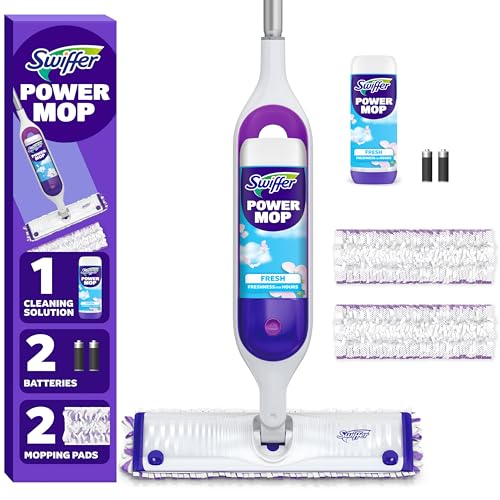
A $50 microfiber flat mop with washable pads outperforms $200 spray mops because you control the moisture level precisely.
Storage and Shelf Life
Most mop soaps last 18 to 24 months in original sealed bottles. Once diluted into a spray bottle, plan to use within 30 days for plant-based formulas, longer for synthetic products. Store all cleaners away from heat and direct sunlight to maintain potency.
Choosing the best mop soap comes down to matching the chemistry to your flooring material. Pay attention to manufacturer warranty requirements; using non-approved cleaners can void warranty coverage on premium hardwood and luxury vinyl. With the right product, regular mopping protects floors rather than slowly damaging them.