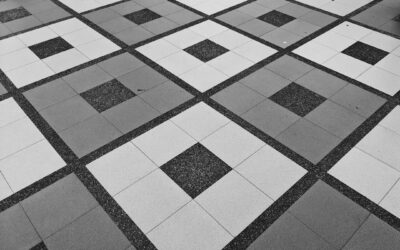
Porcelain pavers have quickly become a favorite for patios, walkways, rooftop terraces, and pool surrounds because they combine the rugged performance of outdoor stone with the clean, modern look of large-format tile. These thick, dense porcelain tiles, usually around 2 cm (about 3/4 inch), are engineered to handle weather, freeze-thaw cycles, and heavy foot traffic with very little upkeep. If you want an outdoor floor that resists stains, fading, and moss, porcelain pavers are worth a close look. Here is what you need to know.
What Makes Porcelain Pavers Different
Unlike standard indoor tile, porcelain pavers are much thicker and produced specifically for exterior use. The added thickness gives them the strength to be installed over gravel, sand, or pedestal systems without cracking. The dense porcelain body absorbs almost no water, which is what allows them to survive freezing winters where lesser materials spall or crack. Many also come with a textured, slip-resistant surface designed for safe footing when wet.
Key Advantages
Porcelain pavers offer a strong combination of benefits that explain their popularity.
- Extremely low maintenance: No sealing required, and they resist stains from oil, food, and leaves.
- Weather and frost resistant: Very low water absorption lets them withstand freeze-thaw cycles.
- Fade resistant: The color runs through the fired body and holds up to UV exposure better than many materials.
- Slip resistance: Textured outdoor finishes provide traction around pools and on patios.
- Realistic looks: Available in wood, stone, and concrete appearances with consistent sizing.
- Resists moss, mold, and scratches: The dense, nonporous surface gives little for growth or grit to grab.
Common Sizes and Styles
Porcelain pavers most often come in large formats such as 24×24 inches, with plank and rectangular shapes also available. The large squares create a clean, contemporary patio look with minimal joints. Style options mimic natural materials convincingly, from weathered wood planks to travertine, slate, and smooth concrete, so you can match the paver to your home’s exterior and landscaping.
Installation Methods
One of the biggest appeals of porcelain pavers is installation flexibility. The right method depends on your site and goals.
Dry-Set Over Gravel or Sand
Pavers can be laid on a compacted gravel and sand base, much like concrete pavers. This is a popular DIY-friendly method for ground-level patios and walkways and allows for permeable drainage.
Pedestal System
Adjustable pedestals support each paver above a substrate, creating a perfectly level floating floor. This is ideal for rooftop decks and balconies because it allows drainage and access to what is beneath, and it requires no mortar.
Mortar-Set Over a Slab
For a permanent, rigid installation over an existing concrete slab, pavers can be set in mortar like traditional tile, which provides maximum stability.
Cost of Porcelain Pavers
Porcelain pavers themselves typically run about $5 to $15 per square foot, with premium styles costing more. Installed cost varies widely with the method: a dry-laid gravel-base patio is generally less expensive in labor, while pedestal systems and mortar-set installations add to the total. Overall, expect installed costs that are competitive with high-end concrete pavers and natural stone, with the bonus of much lower long-term maintenance.
Porcelain Pavers vs. Concrete Pavers and Natural Stone
Compared with concrete pavers, porcelain resists fading, staining, and moss far better and never needs sealing, though porcelain can be more brittle to a sharp point impact and requires a well-prepared base. Compared with natural stone, porcelain offers more consistent sizing, lower maintenance, and excellent color retention, while natural stone provides genuine material character that some homeowners prefer. For a low-fuss, modern outdoor floor, porcelain is hard to beat.
Choosing the Right Paver
For outdoor use, prioritize a textured, slip-resistant finish, especially around pools and on steps. Confirm the paver is rated for exterior and frost-prone use if you live where it freezes. Consider the color in full sun, since outdoor light reads differently than a showroom. As with any tile, order about 10 percent extra to cover cuts, breakage, and future repairs, and keep spares for later.
Care and Maintenance
Maintenance is minimal. Sweep off debris and rinse with a hose; for tougher grime, use water and a mild cleaner with a stiff brush. Because the surface is nonporous, stains rarely set if cleaned reasonably promptly. There is no sealing schedule to keep, and the pavers resist the moss and algae that plague some outdoor surfaces. If you used a sand-set joint, occasional refilling of joint material keeps the installation tight.
Preparing a Solid Base
The longevity of any porcelain paver installation depends on the base beneath it. For a dry-laid patio, excavate to the proper depth, then build and compact a layer of crushed stone followed by a leveling layer of sand or fine aggregate, sloped slightly for drainage. Each compaction step matters; a poorly compacted base will settle and leave uneven, rocking pavers. For pedestal systems, the substrate must drain well and the pedestals must be adjusted so every paver sits perfectly level and flush with its neighbors. Taking time on the base prevents the most common failures, including lippage, settling, and cracked pavers.
Edges, Joints, and Drainage
Finishing details keep a paver installation tight and safe for years. Dry-laid patios need solid edge restraints to hold the field of pavers in place and prevent spreading over time. Joints between pavers can be filled with polymeric sand or kept open on pedestal systems, depending on the method, and they should be sized consistently for a clean look. Plan drainage from the start by sloping the surface away from the house, typically a small but deliberate pitch, so water sheds rather than pools. Good drainage also reduces the chance of slippery growth in shaded, damp areas.
Final Thoughts
Porcelain pavers deliver a durable, fade-resistant, low-maintenance outdoor floor that looks like wood or stone and survives harsh weather. With flexible installation options, from gravel beds to rooftop pedestal systems, they suit patios, walkways, pool decks, and balconies alike. Choose a slip-resistant, frost-rated paver, prepare a solid base, and order extra, and you will enjoy a stylish outdoor surface that needs little more than an occasional rinse for years to come.
Prefer to explore on your own?
See how new flooring looks in your actual room in seconds — free, no signup.
Try the free Floor Studio →