Building a porcelain pavers pool deck has become one of the smartest upgrades a homeowner can make around a swimming pool. These thick, dense outdoor tiles combine the low maintenance of porcelain with the strength needed to walk on barefoot, resist chlorine and sun, and survive freeze-thaw cycles. Compared with poured concrete, wood, or natural stone, a porcelain pavers pool deck offers a rare mix of durability, safety, and design flexibility that keeps looking new for decades with almost no upkeep.
Part of our Decks & Outdoor guide — explore the full guide →
What Makes Porcelain Pavers Different
Outdoor porcelain pavers are not the same as the thin porcelain tile used indoors. They are manufactured at roughly 3/4 inch (20 millimeters) thick, roughly double the thickness of interior tile, which lets them bear foot traffic and even patio furniture without a continuous mortar bed underneath. The clay is fired at extremely high temperatures, producing a body with water absorption below 0.5 percent. That near-zero porosity is exactly what you want beside a pool, because it means the pavers will not soak up water, stain from sunscreen and leaves, or crack when temperatures swing.
The surface is engineered specifically for wet, barefoot environments. Manufacturers apply a textured, slip-resistant finish and publish a slip rating, commonly R11 or an equivalent DCOF value above 0.42, which is the benchmark for wet exterior areas. This textured top is the single most important safety feature and is worth confirming before you buy.
After the flooring is sorted, the right furniture makes all the difference. A set of poolside lounge chairs and a gazebo for shade can turn a basic pool deck into something that actually feels like a backyard retreat.
We may earn a commission when you purchase through our links.
Why Homeowners Choose Them Around Water
Several practical advantages make porcelain a standout for pool surrounds:
- Stays cooler underfoot. Light-colored porcelain reflects heat far better than dark stone or concrete, so it is more comfortable on bare feet during a hot afternoon.
- Resists chlorine, salt, and pool chemicals that etch and discolor natural stone over time.
- Fade-proof color. The pigment is fired into the tile, so ultraviolet exposure will not bleach the surface the way it dulls composite decking.
- Low maintenance. No sealing is required, unlike travertine or sandstone, which need periodic resealing.
- Frost-proof. The dense body will not spall or crack through freeze-thaw cycles, making it viable in northern climates.
Popular Looks and Sizes
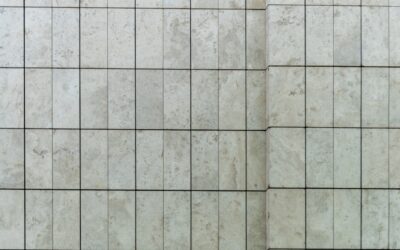
Modern porcelain pavers convincingly mimic premium materials at a fraction of the maintenance. Wood-look planks, typically 8 by 48 inches, give a warm boardwalk feel without splinters or rot. Stone-look formats replicate travertine, limestone, and slate. Concrete and cementitious looks suit contemporary homes. The most common paver size is 24 by 24 inches, with 24 by 48 inches available for a more expansive, fewer-joint appearance.
Because the pavers are large and uniform, they create clean, wide grout or gravel joints that read as intentional design lines. Coordinating bullnose or grip-edge coping pieces are usually available in the same collection to finish the pool edge with a rounded, safe lip that transitions from deck to waterline.
Installation Methods
One of the biggest advantages of thick porcelain pavers is that they can be installed several ways depending on your site and budget.
The first is a mortar-set installation over a concrete slab, identical to setting tile indoors but with exterior-rated thin-set and movement joints. This is the most permanent method and is required over an existing concrete deck.
The second is a compacted aggregate base with polymeric sand or gravel joints, similar to how traditional concrete pavers are laid. The pavers sit on a bed of compacted gravel and sand, and their weight and interlock hold them in place. This dry-set method drains well and is common for new decks over soil.
The third, and increasingly popular, is a pedestal system. Adjustable plastic pedestals support each paver corner above a substrate, creating a level floating deck that hides drainage, plumbing, and wiring underneath. Pedestals are ideal over rooftops, uneven grades, or existing slabs that pond water, and pavers can be lifted individually for access.
Cost Expectations
Porcelain pavers themselves typically run about $5 to $12 per square foot for the material, with premium wood- and stone-look collections at the higher end. Installed cost varies widely with the method. A dry-laid or pedestal deck that a capable homeowner tackles can keep total spending near the material price plus base materials. A professionally mortar-set deck with coping, cuts around the pool, and drainage details commonly lands between $20 and $35 per square foot installed.
While that is more than plain broom-finished concrete, the payback comes in longevity and zero recurring maintenance. There is no sealing, resealing, staining, or resurfacing budget over the life of the deck, and the pavers will not crack and heave the way a monolithic concrete slab often does.
Design and Safety Details That Matter
Plan the deck so the slope drains water away from the pool and the house, generally about 1/4 inch of fall per foot. Around the immediate waterline, choose the manufacturer’s grip or textured coping and confirm its wet slip rating. A rounded, no-lip coping edge is safer for swimmers climbing out and gentler on shins.
Keep a few practical points in mind:
- Order 10 to 15 percent extra for cuts around curves, steps, and equipment.
- Specify a light or medium tone if the deck gets full afternoon sun, to keep the surface cool.
- Confirm the pavers have a factory anti-slip finish rather than a smooth interior look.
- Include movement joints in mortar-set installations to absorb thermal expansion.
Maintenance Over the Years
Upkeep is refreshingly simple. Sweep or blow off debris, and rinse with a hose. For sunscreen, algae, or mineral film, a mild pH-neutral cleaner and a stiff brush handle almost everything. Because the porcelain body absorbs virtually no water, stains sit on the surface rather than soaking in, so they lift easily. Dry-laid decks may occasionally need joint sand topped up, and pedestal systems benefit from an annual check that the pavers still sit level.
Avoid harsh acid washes, which can etch some finishes, and skip metal shovels or ice choppers in winter that could chip an edge. With basic care, a porcelain pavers pool deck holds its color, texture, and safety rating far longer than the alternatives, making it a genuinely low-worry surface for the busiest part of any backyard.
Common Mistakes to Avoid
Even a premium paver can disappoint if a few details are overlooked. The most frequent error is choosing a smooth, indoor-style finish for its looks, then discovering it is slick when wet around the pool. Always confirm the wet slip rating in writing before you buy, and if possible, wet a sample and stand on it barefoot. A second common misstep is neglecting drainage; water that ponds on the deck or drains toward the house causes long-term problems no paver can fix.
Homeowners also frequently underestimate edge and coping needs. The pool perimeter, steps, and any curves require cut pieces and specialized coping, which drives up both material and labor. Order those components with the deck, not as an afterthought. Finally, on dry-laid and pedestal systems, skimping on base compaction or pedestal leveling leads to rocking, uneven pavers within a season, so give the substrate the time and attention it deserves.
Is It the Right Choice for You?
If you want a pool surround that stays cool, drains well, resists chemicals and weather, and never needs sealing, porcelain pavers are hard to beat. The upfront cost sits above concrete but below high-end natural stone once you factor in installation and decades of avoided maintenance. Match the paver format to your home’s style, insist on a verified wet slip rating, and choose an installation method suited to your base, and the result is a striking, safe deck that performs season after season.