The wrong pool deck cracks within five years, scorches bare feet at 140 degrees Fahrenheit on a sunny afternoon, or turns into a slip hazard the first time someone steps out of the water. Choosing the right pool decking material means balancing cost, heat retention, slip resistance, and how the surface ages under chlorine and UV. Travertine, broom-finished concrete, composite decking like Trex or TimberTech, and unsealed concrete pavers all dominate the market for good reasons. Budget anywhere from $5 per square foot for plain concrete to $35 per square foot for premium travertine installed.
Part of our Decks & Outdoor guide — explore the full guide →
Concrete: The Workhorse Option
Poured concrete with a broom finish remains the most common pool deck across the US. The cost runs $5 to $10 per square foot for a standard 4-inch slab with light texture. Add stamping for a stone or wood-plank look and the price climbs to $12 to $20 per square foot.
Concrete handles weight, lasts 25 to 30 years, and accepts a wide range of finishes from acid-etched gray to colored overlays. The downside is heat. Plain gray concrete in full sun can hit 130 degrees Fahrenheit, hot enough to burn feet. Light-colored coatings like Behr Premium Deck Over Plus or Sherwin-Williams H&C Cool Feel reflect heat and drop surface temperature 10 to 20 degrees.
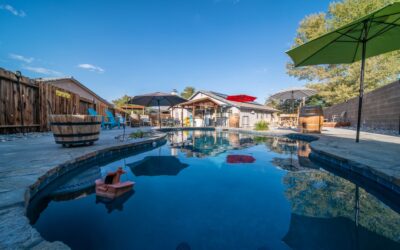
After the flooring is sorted, the right furniture makes all the difference. A set of poolside lounge chairs and a gazebo for shade can turn a basic pool deck into something that actually feels like a backyard retreat.
We may earn a commission when you purchase through our links.
Travertine Pavers for Premium Looks
Travertine is a natural limestone with a coral-like texture that stays remarkably cool underfoot. The Ivory and Walnut tones from MS International or Daltile run $8 to $15 per square foot for the stone alone, with installation pushing total cost to $18 to $30 per square foot.
Travertine pavers in 6 by 12 or French pattern layouts handle pool environments well. The micro-pores keep the surface cool by 15 to 25 degrees compared to concrete. Sealing every 2 to 3 years with a penetrating sealer like Miracle 511 prevents staining from sunscreen, leaves, and water minerals. Skip the gloss topical sealers, which trap moisture and turn slippery when wet.
Composite Decking Around Pools
Trex Transcend, TimberTech AZEK, and Fiberon Concordia composite boards work beautifully on raised pool decks and platform-style installations. They will not splinter, never need staining, and resist mold in chlorinated environments. Cost runs $12 to $18 per square foot for material with installation pushing totals to $30 to $50 per square foot.
Heat is the main concern. Dark composite boards in full sun can reach 150 degrees Fahrenheit. Choose light or medium tones in the manufacturer’s coolest line, like Trex Transcend Spiced Rum or TimberTech AZEK Coastline. Capped composite boards with mineral-based coatings, introduced in 2022 models, stay 10 to 15 degrees cooler than first-generation composites.
Concrete Pavers: Modular and Repairable
Belgard, Unilock, and Techo-Bloc all make pool-rated concrete pavers in dozens of textures and colors. Standard 6 by 9 inch pavers run $4 to $10 per square foot, with installation bringing totals to $12 to $25 per square foot. The interlocking pattern resists cracking better than poured concrete because individual pavers move independently with frost heave.
Damaged pavers lift out and replace individually in minutes, which is impossible with poured concrete. Permeable paver systems allow water to drain through the joints, eliminating standing puddles and reducing slip risk. Belgard Aquabric is a popular permeable option that meets stormwater code in many municipalities.
Natural Stone: Flagstone and Bluestone
Pennsylvania bluestone and Arizona flagstone deliver a premium custom look at $15 to $30 per square foot installed. The irregular shapes and natural color variation suit traditional and rustic homes. Bluestone in thermal finish (rough texture) provides excellent slip resistance, while smooth honed bluestone gets slick when wet.
Always specify the thermal or natural cleft finish for pool applications. Honed or polished stone in wet environments fails the ASTM C1028 slip test and creates real injury risk. Sealing with a breathable penetrating sealer every 2 to 3 years preserves color and prevents staining.
Wood Decking: Cedar, Ipe, and Pressure-Treated
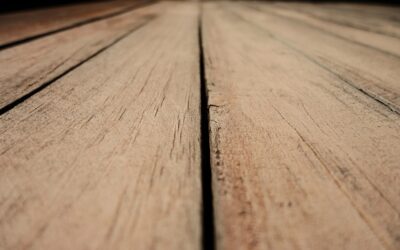
Real wood decks suit lifted pool surrounds and raised platforms. Ipe, the gold standard for pool decking, runs $18 to $30 per square foot installed and lasts 50 years with proper care. Western red cedar at $10 to $18 per square foot is a softer option that needs annual oiling.
Pressure-treated southern yellow pine is the budget option at $7 to $14 per square foot but warps and splinters more in chlorine and UV exposure. Whichever wood you choose, gap boards a quarter inch for drainage and use stainless or hot-dipped galvanized fasteners. Ordinary galvanized hardware corrodes within 5 years near chlorinated water.
Slip Resistance and Safety Specs
Any pool deck must meet a Static Coefficient of Friction (SCF) of 0.60 or higher when wet, per ANSI A137.1. Travertine, broom-finished concrete, thermal bluestone, and textured composite all meet or exceed this. Polished stone, smooth porcelain tile, and most painted concrete fail without an additive.
For existing slippery surfaces, anti-slip additives like SureStep or Sharkgrip mixed into a clear sealer add traction without changing the look. A gallon covers 100 to 150 square feet and runs $30 to $50.
Heat Retention and Color Choice
Surface color drives surface temperature more than material in most cases. White and light tan stay 20 to 40 degrees cooler than dark gray, brown, or charcoal under the same sun. If you want a dark aesthetic, accept that the deck will be hot or plan for shade structures, pergolas, or extensive umbrella coverage.
Test any sample by leaving it in full sun for 2 hours and pressing a bare hand against the surface. A deck that hurts to touch will hurt to walk on. The right pool decking material balances looks, safety, and comfort so the deck stays usable from morning to evening all summer long.