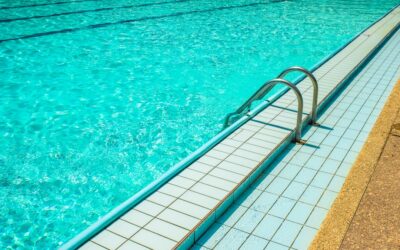
The surface around your pool does more than look good. It has to stay cool under bare feet, grip wet soles so no one slips, and survive years of sun, splashing, and weather. Pool deck tile can deliver all of that when you choose the right product, but the wrong tile turns into a slippery, scorching hazard.
Part of our Decks & Outdoor guide — explore the full guide →
Selecting pool deck tile means weighing slip resistance, heat absorption, freeze durability, and looks all at once. This guide breaks down what matters so you can build a poolside surface that is safe, attractive, and built to last.
What Makes Pool Deck Tile Different
Indoor floor tile and outdoor pool tile live in completely different worlds. A deck tile is constantly exposed to standing water, chlorine, salt, intense UV, and big temperature swings. It also has to perform when wet and barefoot, which is the exact opposite of most interior flooring conditions.
Because of that, the right product must combine traction, low water absorption, and resistance to fading and cracking. A glossy ceramic that looks stunning in a showroom can become dangerously slick the moment it gets splashed. Outdoor-rated tile is engineered specifically to avoid that.
Once your patio flooring is in place, think about how you’ll use the space. A gazebo adds shade and structure, while a good outdoor furniture set turns it into a spot you’ll actually want to hang out in. A deck box is also worth considering if you need somewhere to stash cushions and outdoor gear.
We may earn a commission when you purchase through our links.
Slip Resistance Comes First
The single most important spec for any poolside surface is slip resistance, measured by a value called DCOF (dynamic coefficient of friction). Look for tile with a DCOF rating of 0.42 or higher, which is the common threshold for wet areas. For a barefoot pool deck, higher is better, and many manufacturers offer textured or structured finishes designed for exactly this use.
Avoid polished or high-gloss finishes around water. Instead, choose tiles described as textured, matte, structured, or grip-finished. These surfaces channel water and give bare feet something to hold, dramatically reducing the chance of a fall.
Best Materials for the Job
Several materials work well around a pool, each with strengths to consider:
- Porcelain: Extremely dense and low in water absorption, freeze resistant, and available in textured outdoor finishes. A top all-around choice.
- Travertine: A natural stone that stays cooler underfoot and offers natural grip, though it needs periodic sealing.
- Quarry tile: Unglazed, naturally slip resistant, and durable, with an earthy red-brown look.
- Porcelain pavers: Thick, large-format tiles designed for outdoor decks that can be laid on sand, gravel, or pedestals.
Skip standard glazed ceramic, glass, and polished marble for the walking surface. They look beautiful but rarely provide the traction or durability a pool deck demands.
Climate and Freeze Resistance
If you live where temperatures drop below freezing, water absorption becomes critical. When water soaks into a porous tile and then freezes, it expands and cracks the tile from the inside. Choose a tile rated as frost resistant or freeze-thaw stable, which for porcelain usually means a water absorption rate below 0.5 percent.
Heat is the other climate concern. Dark tiles absorb sunlight and can become uncomfortably hot underfoot in summer. Lighter colors and natural stone like travertine stay noticeably cooler, an important factor for a deck where people walk barefoot all day.
Installation Basics
A pool deck needs a solid, properly sloped base so water drains away from the pool and house rather than pooling on the surface. A slope of about a quarter inch per foot is typical. Skipping this step leads to standing water, slick spots, and faster wear.
- Confirm the concrete slab is cured, clean, and pitched for drainage.
- Use an exterior-rated, polymer-modified thinset mortar suited to your tile and climate.
- Maintain consistent spacing and use a slip-resistant grout rated for outdoor use.
- Add movement joints to absorb expansion and contraction across temperature swings.
- Seal natural stone tiles and grout to resist water, chlorine, and staining.
Large or sloped installations are worth handing to an experienced installer. Proper substrate prep and drainage are the difference between a deck that lasts decades and one that cracks in a few seasons.
Maintenance for the Long Haul
Rinse the deck regularly to remove chlorine, salt, and debris that can dull the surface or feed algae. Sweep off leaves and dirt before they stain. For routine cleaning, a mild pH-neutral cleaner and a stiff brush handle most grime without harming the tile or grout.
Reseal natural stone and grout on the schedule the manufacturer recommends, often every one to three years. Address any cracked tiles or failing grout promptly, since gaps let water reach the substrate and accelerate damage.
Color and Style Choices
Beyond performance, the look of your deck shapes the whole backyard. Lighter tones do double duty: they stay cooler underfoot and they reflect heat rather than absorbing it, which matters a great deal on a surface people walk barefoot all summer. Soft sand, beige, light gray, and cream are popular for exactly that reason.
Tile format affects the feel as well. Large-format porcelain pavers create a clean, modern look with fewer grout lines, while smaller tiles and natural-stone shapes lend a more textured, traditional vibe. Wood-look porcelain planks have become popular poolside because they pair the warmth of timber with the durability and slip resistance of porcelain, without the rot and splinters real wood would suffer in a wet area.
Coordinate the deck with the pool coping and the house. A surface that complements your home’s exterior and the pool’s waterline tile ties the space together and looks intentional rather than added on.
Common Mistakes to Avoid
The two most damaging mistakes are choosing the wrong tile and skimping on the base. A glossy or low-DCOF tile may look stunning dry, but it becomes a genuine safety hazard the moment it gets splashed. Never prioritize shine over traction around water. Likewise, using interior tile not rated for freeze-thaw in a cold climate guarantees cracking within a few winters.
On the installation side, neglecting proper slope leads to standing water that breeds algae and creates slick spots, while forgetting movement joints causes tiles to crack as the slab expands and contracts. These are the failures that turn a beautiful deck into a costly redo, which is why proper substrate prep and outdoor-rated materials are worth the investment.
Cost Expectations
Material prices vary widely. Outdoor porcelain commonly runs about $3 to $10 per square foot, travertine roughly $5 to $15, and porcelain pavers somewhat more. Professional installation typically adds $5 to $15 per square foot depending on site prep and complexity, so a full deck can range from a few thousand dollars upward.
Spending a little more on a properly rated, slip-resistant, freeze-tolerant product pays off in safety and longevity. The right pool deck tile is an investment that keeps your poolside cooler, safer, and looking great for many summers to come.
Prefer to explore on your own?
See how new flooring looks in your actual room in seconds — free, no signup.
Try the free Floor Studio →