Choosing the right outdoor flooring is fundamentally different from selecting an indoor surface. Your floor must withstand rain, UV exposure, freeze-thaw cycles, and foot traffic while remaining safe and attractive year-round. Whether you are resurfacing a patio, building a new deck, or upgrading a pool surround, the best material depends on your climate, budget, and how the space will be used.
Part of our Windows & Doors guide — explore the full guide →
This guide compares the seven most popular outdoor flooring options — from porcelain pavers and natural stone to composite decking and rubber tiles — covering cost per square foot, weather resistance, slip resistance, maintenance requirements, and installation methods so you can choose with confidence.
- 7 Best Outdoor Flooring Options
- Outdoor Flooring Comparison Table
- Weather Resistance & Durability
- Slip Resistance & Safety
- Patio vs Deck vs Pool Area: Which Flooring Fits?
- Installation Methods
- Maintenance by Flooring Type
- Frequently Asked Questions About Outdoor Flooring
- Choosing the Right Outdoor Flooring for Your Space
Once your patio flooring is in place, think about how you’ll use the space. A gazebo adds shade and structure, while a good outdoor furniture set turns it into a spot you’ll actually want to hang out in. A deck box is also worth considering if you need somewhere to stash cushions and outdoor gear.
We may earn a commission when you purchase through our links.
7 Best Outdoor Flooring Options
Every outdoor flooring material brings different strengths to the table. Below, we break down each option with honest pros, cons, cost ranges, and ideal applications to help you find the best fit for your project.
1. Porcelain Pavers
Porcelain pavers are quickly becoming the gold standard for outdoor patio flooring. These thick-bodied tiles (typically 3/4 inch or 20 mm) are fired at extremely high temperatures, producing a dense, virtually non-porous surface that resists moisture absorption, staining, and frost damage. They are available in sizes ranging from 12×24 inches to large-format 24×48 inch slabs and come in finishes that realistically mimic natural stone, wood, and concrete.
- Cost: $4 to $12 per sq ft (materials); $10 to $22 per sq ft installed
- Weather resistance: Excellent — near-zero water absorption makes porcelain freeze-thaw proof and highly resistant to cracking
- Slip resistance: Very good — textured and matte finishes achieve high slip-resistance ratings; avoid polished surfaces outdoors
- Maintenance: Very low — sweep and occasional pressure wash; no sealing required
- Lifespan: 25 to 50+ years
Best for: Patios, walkways, and pool surrounds where you want a premium look with minimal long-term upkeep.
2. Natural Stone
Natural stone — including travertine, slate, bluestone, flagstone, and granite — delivers timeless beauty that no manufactured product can fully replicate. Each piece is unique in color, veining, and texture. Stone is extremely durable and has been used in outdoor applications for centuries.
- Cost: $5 to $30 per sq ft (materials vary widely by stone type); $15 to $40 per sq ft installed
- Weather resistance: Good to excellent — dense stones like granite and bluestone perform well in all climates; softer stones like travertine and limestone require sealing in wet or freezing regions
- Slip resistance: Good — natural texture provides grip, though wet polished stone can be slippery; tumbled and honed finishes are safest
- Maintenance: Moderate — periodic sealing (every 1 to 3 years for porous stones), sweeping, and occasional power washing
- Lifespan: 50 to 100+ years
Best for: Homeowners who want an upscale, one-of-a-kind outdoor surface and are willing to invest in both materials and ongoing sealing maintenance.
3. Composite Decking
Composite decking boards are made from a blend of recycled wood fibers and plastic polymers, creating a surface that looks like real wood but resists rot, insects, warping, and splintering. Brands like Trex, TimberTech, and Fiberon offer capped composite products with a protective polymer shell that dramatically improves stain and fade resistance.
- Cost: $4 to $13 per sq ft (materials); $8 to $25 per sq ft installed (including substructure)
- Weather resistance: Very good — capped composites resist moisture, UV fading, and mold; uncapped products can absorb moisture and stain over time
- Slip resistance: Good — textured grain patterns provide adequate grip; some brands offer enhanced slip-resistant finishes
- Maintenance: Low — no sanding, staining, or sealing; periodic soap-and-water cleaning
- Lifespan: 25 to 50 years (capped composite); 10 to 20 years (uncapped)
Best for: Elevated decks and outdoor living areas where you want the appearance of wood without the annual maintenance burden of real lumber.
4. Concrete (Stamped, Stained, or Polished)
Concrete is one of the most versatile outdoor flooring options available. A plain poured slab provides a functional surface, but stamped patterns, acid staining, and exposed-aggregate finishes transform concrete into a highly decorative material. Concrete can be colored and textured to resemble brick, slate, flagstone, or tile at a fraction of the cost.
- Cost: $2 to $6 per sq ft (basic slab); $8 to $18 per sq ft (stamped or stained, installed)
- Weather resistance: Good — properly sealed concrete handles rain and sun well; however, freeze-thaw cycles can cause cracking if the slab lacks adequate drainage and expansion joints
- Slip resistance: Variable — broom-finished and stamped concrete offer good traction; polished or sealed smooth surfaces can be slippery when wet; add a non-slip additive to sealers for safety
- Maintenance: Low to moderate — reseal every 2 to 3 years to maintain color and protection; power wash annually
- Lifespan: 25 to 50 years
Best for: Large patios, driveways, and pool decks where budget matters and you want design flexibility through stamps and stains.
5. Rubber Tiles
Rubber tiles are an excellent outdoor flooring choice for play areas, pool surrounds, and rooftop terraces. Made from recycled rubber (often repurposed tires), they provide superior cushioning, impact absorption, and slip resistance — even when wet. Interlocking rubber pavers snap together for fast, adhesive-free installation over any flat, stable surface.
- Cost: $3 to $9 per sq ft (materials); $5 to $14 per sq ft installed
- Weather resistance: Very good — rubber is naturally water-resistant, does not crack in freezing temperatures, and resists UV degradation when treated with stabilizers
- Slip resistance: Excellent — the naturally high-friction rubber surface provides outstanding wet and dry traction
- Maintenance: Very low — sweep, hose off, or pressure wash as needed
- Lifespan: 15 to 25 years
Best for: Playgrounds, pool areas, gym patios, and rooftop decks where safety, cushioning, and slip resistance are the top priorities.
6. Outdoor Carpet (Indoor/Outdoor Carpet Tiles)
Outdoor carpet, also known as indoor/outdoor carpet, is made from synthetic fibers like polypropylene or solution-dyed polyester that resist moisture, mold, mildew, and UV fading. It is available in rolls and modular carpet tiles. While it does not match the durability of hard surfaces, outdoor carpet adds comfort and warmth underfoot — making it ideal for covered patios, screened porches, and sunrooms.
- Cost: $1 to $5 per sq ft (materials); $3 to $8 per sq ft installed
- Weather resistance: Moderate — handles rain and humidity but degrades faster in full sun and standing water; best under covered areas
- Slip resistance: Good — fiber texture provides natural grip
- Maintenance: Moderate — vacuum or sweep regularly; rinse with a hose; may need replacement every 5 to 10 years in exposed conditions
- Lifespan: 5 to 15 years depending on exposure
Best for: Covered porches, screened patios, and balconies where comfort underfoot matters more than heavy-duty durability.
7. Interlocking Deck Tiles
Interlocking deck tiles (also called snap-together patio tiles) are modular squares — typically 12×12 inches — that click together over any flat surface. They are available in wood (acacia, teak, ipe), composite, stone, and rubber. The tile sits on a raised plastic grid base that provides drainage and airflow beneath the surface. No tools, adhesive, or permanent modification to the existing surface is needed.
- Cost: $3 to $15 per sq ft (materials, varies by material type); most homeowners self-install
- Weather resistance: Good to very good — hardwood versions require periodic oiling; composite and rubber versions are virtually maintenance-free
- Slip resistance: Good — most products feature textured or grooved surfaces for traction
- Maintenance: Low to moderate — composite and rubber tiles need only hosing; wood tiles need annual oiling or sealing
- Lifespan: 10 to 25 years (wood); 15 to 30 years (composite)
Best for: Renters, condo balconies, and anyone who wants a quick, removable outdoor flooring upgrade over existing concrete or wood surfaces.
Outdoor Flooring Comparison Table
Use this side-by-side comparison to quickly evaluate every outdoor flooring type across the factors that matter most.
| Flooring Type | Cost (per sq ft) | Weather Resistance | Slip Resistance | Maintenance | DIY-Friendly | Lifespan |
|---|---|---|---|---|---|---|
| Porcelain Pavers | $4 – $12 | Excellent | Very Good | Very Low | Moderate | 25 – 50+ yrs |
| Natural Stone | $5 – $30 | Good to Excellent | Good | Moderate | Low | 50 – 100+ yrs |
| Composite Decking | $4 – $13 | Very Good | Good | Low | Moderate | 25 – 50 yrs |
| Concrete (Stamped) | $8 – $18 | Good | Variable | Low to Moderate | Low | 25 – 50 yrs |
| Rubber Tiles | $3 – $9 | Very Good | Excellent | Very Low | High | 15 – 25 yrs |
| Outdoor Carpet | $1 – $5 | Moderate | Good | Moderate | High | 5 – 15 yrs |
| Interlocking Tiles | $3 – $15 | Good to Very Good | Good | Low to Moderate | Very High | 10 – 30 yrs |
Weather Resistance & Durability
Outdoor floors face relentless exposure to the elements. Understanding how each material responds to specific weather conditions helps you avoid costly replacements down the road.
Sun & UV Exposure
Prolonged UV exposure fades colors and degrades certain materials. Porcelain pavers and natural stone are virtually UV-proof. Capped composite decking includes UV inhibitors that prevent significant fading. Rubber tiles with UV stabilizers hold up well, though very dark colors may lighten slightly over time. Outdoor carpet and uncapped composites are most susceptible to sun damage.
Rain, Humidity & Standing Water
Porcelain, concrete, and rubber handle persistent moisture with ease. Natural stone performs well when sealed. Composite decking sheds water effectively but can trap moisture between boards and the substructure if not properly ventilated. Outdoor carpet should not be exposed to standing water — choose a material with a drainage backing if rain exposure is unavoidable.
Freeze-Thaw Cycles
In cold climates, water that penetrates a porous material can freeze, expand, and crack the surface. Porcelain pavers (with less than 0.5 percent water absorption) and rubber tiles are freeze-thaw champions. Dense natural stones like granite and bluestone also handle freezing well. Softer stones like travertine and limestone require diligent sealing in freeze-thaw regions. Concrete must have proper expansion joints and sealing to prevent frost damage.
Slip Resistance & Safety
Outdoor surfaces get wet, and wet surfaces get dangerous. Slip resistance is measured by the Dynamic Coefficient of Friction (DCOF) — a rating of 0.42 or higher is considered safe for wet areas by industry standards.
Rubber tiles offer the highest slip resistance of any outdoor flooring material, making them the top choice for pool decks and play areas. Porcelain pavers with textured finishes and broom-finished concrete also achieve excellent wet-traction ratings. Natural stone varies — honed and tumbled finishes perform well, while polished stone should be avoided outdoors entirely. Composite decking provides adequate slip resistance, though algae and mold growth can create slippery patches if the surface is not cleaned regularly.
For pool areas specifically, prioritize materials with a DCOF of 0.60 or higher and avoid any polished, glazed, or smooth-sealed surface.
Patio vs Deck vs Pool Area: Which Flooring Fits?
The best outdoor flooring depends not only on the material but also on where you plan to use it.
Patio (Ground-Level, on Grade)
Patios sit on a compacted gravel base or directly on a concrete slab, making them compatible with virtually any outdoor flooring material. The top choices for patios are porcelain pavers, natural stone, stamped concrete, and interlocking tiles. All provide excellent durability when installed on a properly prepared base with adequate drainage.
Elevated Deck
Elevated decks require a structural frame, which limits your options to materials that can be fastened to joists or laid over a plywood subfloor. Composite decking is purpose-built for this application and is the clear leader. Interlocking deck tiles can be placed over an existing wood deck to refresh the surface without rebuilding. Porcelain tiles can be used on decks with a pedestal system, though this adds cost and complexity.
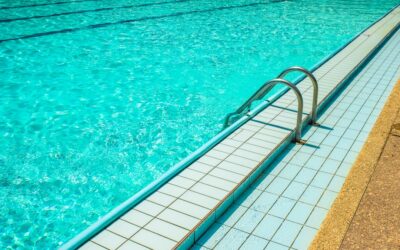
Pool Surround
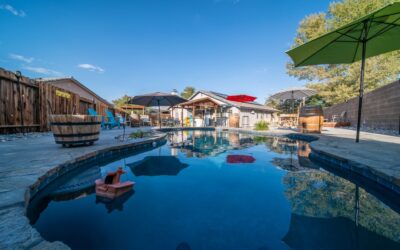
Pool decks demand maximum slip resistance, cool surface temperature, low water absorption, and resistance to pool chemicals (chlorine and salt). The best options are porcelain pavers with a textured finish, tumbled travertine (which stays cool underfoot), and rubber tiles. Stamped concrete is also popular but must be sealed with a non-slip additive. Avoid composite decking directly adjacent to the pool — it can get uncomfortably hot in direct sun and may become slippery when wet.
Installation Methods
Installation complexity and cost vary significantly across outdoor flooring options. Here is what to expect for each material.
Easy DIY Options
- Interlocking deck tiles: Snap together over any flat, stable surface. No tools, no adhesive. Install a 100 sq ft balcony in under an hour.
- Rubber tiles: Interlocking rubber pavers connect without adhesive on any hard, flat surface. Cut edge pieces with a utility knife.
- Outdoor carpet: Roll out, trim to fit, and secure edges with outdoor carpet tape or adhesive. Simple enough for any homeowner.
Moderate DIY (Requires Some Skill)
- Porcelain pavers: Can be dry-laid on a compacted gravel and sand base (pedestal systems are also available). Cutting pavers requires a wet saw with a diamond blade. Layout planning and base preparation are critical.
- Composite decking: Fastening boards to joists is straightforward with hidden clip systems, but building the substructure (posts, beams, joists) requires carpentry skills, permits, and code compliance.
Professional Installation Recommended
- Natural stone: Requires a properly prepared base, mortar-set or dry-laid installation, cutting with specialty tools, and professional grouting. Uneven stone thicknesses add complexity.
- Stamped/stained concrete: Pouring, stamping, and staining concrete are time-sensitive processes that demand professional skill. Mistakes are permanent and expensive to fix.
Maintenance by Flooring Type
Outdoor floors work harder than indoor surfaces, but most outdoor flooring options are designed to be low maintenance. Here is a practical care guide for each material.
- Porcelain pavers: Sweep debris and pressure wash once or twice a year. No sealing needed. Remove weeds between joints if dry-laid.
- Natural stone: Sweep regularly and wash with a stone-safe cleaner. Reseal porous stones like travertine and limestone every 1 to 3 years. Dense stones like granite need sealing less frequently.
- Composite decking: Wash with soap and water or a composite deck cleaner two to three times per year. Remove mold and algae promptly. Never sand or use a wire brush.
- Concrete: Power wash annually. Reseal stamped or stained concrete every 2 to 3 years. Fill cracks promptly to prevent water infiltration.
- Rubber tiles: Hose off or sweep. Use a mild detergent for stubborn stains. No sealing or special treatment required.
- Outdoor carpet: Vacuum or sweep weekly. Rinse with a garden hose monthly. Replace when fibers mat down or backing deteriorates (typically every 5 to 10 years).
- Interlocking tiles: Maintenance depends on the tile material — wood versions need annual oiling; composite and rubber versions just need rinsing.
Frequently Asked Questions About Outdoor Flooring
What is the best outdoor flooring for a patio?
The best outdoor flooring for a patio depends on your budget and climate. Porcelain pavers offer the best combination of durability, low maintenance, and design variety for most homeowners. Natural stone like travertine or bluestone provides a premium, timeless look. Stamped concrete is an excellent budget-friendly alternative that mimics the appearance of stone or brick at a lower cost. All three options handle patio conditions well when properly installed with good drainage.
What is the cheapest outdoor flooring option?
Outdoor carpet is the cheapest option at $1 to $5 per square foot for materials. Basic poured concrete runs $2 to $6 per square foot and lasts far longer. Rubber interlocking tiles ($3 to $9 per sq ft) and snap-together deck tiles ($3 to $15 per sq ft) offer affordable mid-range options with easy DIY installation that saves on labor costs. When evaluating cost, factor in lifespan — a $5 per sq ft material that lasts 50 years costs far less over time than a $2 per sq ft material that needs replacing every 7 years.
What outdoor flooring is best around a pool?
Pool surrounds require flooring with excellent slip resistance, low water absorption, cool surface temperature, and resistance to chlorine or salt. Textured porcelain pavers, tumbled travertine, and rubber tiles are the top choices. Porcelain and travertine stay relatively cool in the sun compared to dark-colored materials. Rubber tiles provide the best slip resistance and cushioning. Avoid polished stone, smooth-sealed concrete, and composite decking near pool edges — all can become dangerously slippery when wet.
Can I install outdoor flooring over an existing concrete patio?
Yes — several outdoor flooring options install directly over existing concrete. Interlocking deck tiles, rubber pavers, and outdoor carpet can all be placed over concrete with minimal preparation (the surface should be reasonably flat, clean, and free of major cracks). Porcelain pavers can be adhered to concrete with thinset mortar or placed on pedestal supports. Even tile can be installed over concrete with proper surface preparation and outdoor-rated adhesive. The key requirement is that the existing concrete drains properly and does not hold standing water.
How long does outdoor flooring last?
Lifespan varies dramatically by material. Natural stone is the most durable, lasting 50 to 100+ years with proper maintenance. Porcelain pavers and quality concrete last 25 to 50 years. Capped composite decking lasts 25 to 50 years. Rubber tiles last 15 to 25 years. Interlocking wood tiles last 10 to 25 years depending on wood species and maintenance. Outdoor carpet has the shortest lifespan at 5 to 15 years. Choosing a material that matches your climate and maintaining it on schedule are the two biggest factors in maximizing lifespan.
Choosing the Right Outdoor Flooring for Your Space
The ideal outdoor flooring comes down to three factors: where it is going, what weather it must endure, and how much maintenance you are willing to perform.
For a ground-level patio, porcelain pavers and stamped concrete deliver outstanding results at different price points. For elevated decks, composite decking is the clear winner — wood aesthetics without the rot, splintering, and annual staining. For pool surrounds, prioritize slip resistance and cool surface temperature with textured porcelain, tumbled travertine, or rubber tiles. And for renters or quick upgrades, interlocking deck tiles transform any flat surface in minutes with zero permanent modification.
Whichever material you choose, proper base preparation and drainage are the foundation of a long-lasting outdoor floor. Invest the time to get the substrate right, select a material rated for your climate, and your outdoor space will serve you well for decades.
Prefer to explore on your own?
See how new flooring looks in your actual room in seconds — free, no signup.
Try the free Floor Studio →