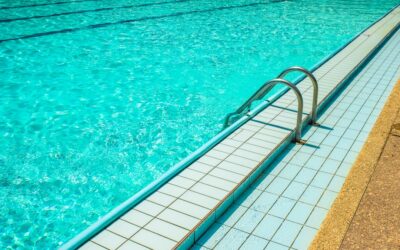
The band of tile that rings your pool at the waterline does far more than look pretty. Pool edge tile takes the harshest abuse in the entire backyard: constant water exposure, harsh pool chemicals, UV, freeze-thaw cycles, and the scrubbing needed to remove calcium and mineral scale. Choosing the wrong material here means cracked, stained, or slippery tile within a couple of seasons, while the right choice can look sharp for 20 years. This guide walks through what pool edge tile is, which materials survive, and what you can expect to spend.
Part of our Tile & Grout guide — explore the full guide →
- What Pool Edge Tile Means
- Best Materials for Pool Edge Tile
- Slip Resistance Is Non-Negotiable
- Freeze-Thaw and Climate Concerns
- What Pool Edge Tile Costs
- Installation and Grout Notes
- Maintenance That Extends Tile Life
- Coping Profiles and How the Edge Is Finished
- Color and Design Choices for the Waterline
- The Bottom Line
What Pool Edge Tile Means
Pool edge tile is a catch-all term for a few related zones, and it helps to separate them because each has different demands.
- Waterline tile: The 6-inch band that sits right at the water surface where scum, oils, and calcium build up. This is what most people mean by pool edge tile.
- Coping edge: The capped edge where the pool deck meets the pool shell, often a bullnose or rounded profile that swimmers grab.
- Trim and accent bands: Decorative rows, often glass mosaic, that add color and define the pool’s border.
Each zone needs a material rated for continuous submersion or splash, not standard interior floor tile.
Best Materials for Pool Edge Tile
Not every tile can live in and around chlorinated water. These are the proven performers.
Porcelain
Dense, low-absorption porcelain is the workhorse of modern pools. Its water absorption rate below 0.5 percent means it resists freeze-thaw cracking, which matters enormously in cold climates. Frost-rated porcelain is the safest all-around pick for waterline and coping.
Glass Mosaic
Glass tile is completely non-porous, resists chemicals and fading, and delivers that shimmering, jewel-toned waterline look luxury pools are known for. It costs more and demands skilled installation, but it is arguably the most durable face material available.
Natural Stone
Travertine and other stone coping feel cool and stay comfortable underfoot in the sun, which is why it is so popular for pool decks. Stone must be sealed and is more porous, so it belongs on the deck and coping rather than submerged at the waterline in freezing climates.
Ceramic and Handmade Tile
Glazed ceramic and Mediterranean-style handmade tiles add character but vary in frost resistance, so confirm they are rated for exterior pool use before buying.
Slip Resistance Is Non-Negotiable
Around a pool, safety outranks style. Coping and deck tile that swimmers walk on wet must have a high slip-resistance rating. Look for a coefficient of friction (COF) rating of 0.6 or higher for wet areas, and choose textured, matte, or structured finishes rather than high-gloss polish on any surface people stand on. Save the glossy glass and smooth porcelain for the submerged waterline band, where nobody walks, and keep traction-focused finishes on the coping and deck.
Freeze-Thaw and Climate Concerns
If you live anywhere that dips below freezing, absorption rate is the number that matters most. Water that soaks into a porous tile expands when it freezes and pops the tile or cracks the glaze. Frost-rated porcelain and glass with very low absorption survive these cycles; softer ceramics and unsealed stone often do not. In warm, no-freeze regions like Florida or Arizona you have more freedom, but you still need to fight calcium scale and sun fading, which favors non-porous porcelain and glass.
What Pool Edge Tile Costs
Budget varies widely with material and labor. Here is a realistic range for the tile itself:
- Ceramic and standard porcelain: $5 to $15 per square foot.
- Glass mosaic: $20 to $50 per square foot, sometimes more for premium lines.
- Natural stone coping: $10 to $30 per square foot.
Installation is where pool tile gets expensive, because it requires waterproof thinset, chemical-resistant grout, and often draining and refilling the pool. Professional labor commonly runs $30 to $75 per linear foot for a waterline band. Reglazing or replacing a full waterline on an average residential pool frequently lands between $1,500 and $5,000 all in.
Installation and Grout Notes
Pool tile installation is not a typical DIY project because the materials and waterproofing are specialized, but knowing the requirements helps you vet a contractor.
- Use pool-rated setting materials. The thinset and grout must be formulated for continuous submersion and chemical exposure; standard interior products fail underwater.
- Choose the right grout. Epoxy grout is the gold standard at the waterline because it resists chemicals, staining, and water absorption.
- Waterproof the substrate. A proper waterproofing membrane behind the tile protects the pool structure.
- Mind expansion joints. Coping and deck areas need expansion joints so seasonal movement does not crack the tile.
Maintenance That Extends Tile Life
Even the best pool edge tile needs upkeep. Calcium scale builds at the waterline and should be removed with a pumice stone or a scale remover made for pools before it hardens into a stubborn crust. Keep your water chemistry balanced, since high calcium hardness and pH accelerate scaling and can etch some surfaces. Reseal natural stone coping annually, and inspect grout lines each spring for cracks that let water reach the substrate.
Coping Profiles and How the Edge Is Finished
The physical shape of the coping edge matters as much as the material, because it affects both safety and comfort. A bullnose profile, rounded on the top edge, is the most common and swimmer-friendly choice, giving a comfortable place to grip and rest an arm without a sharp corner. A rolled or rounded-edge coping softens the transition further and is gentle on hands and elbows.
Beyond comfort, the coping edge also serves a functional role: it caps the pool shell, directs splash-out water away from the pool, and provides the mounting point for handrails and ladders. When selecting coping, look for a slightly overhanging drip edge that keeps water from running back down the pool wall and staining the tile below. Pair the coping with a deck material that stays cool underfoot, since bare feet on a hot summer deck are a real comfort issue that travertine and light-colored porcelain handle far better than dark stone.
Color and Design Choices for the Waterline
The waterline band is your chance to shape how the whole pool reads, because tile color influences the perceived color of the water. Lighter blues and whites give a bright, tropical, resort feel and make the water look crisp and clear. Deeper blues, greens, and glass mosaics in jewel tones create a rich, lagoon-like look and hide minor scale buildup better between cleanings. Natural stone and earth-toned tile lean toward a more organic, naturalistic pool that blends into a landscaped backyard.
Glass mosaic in the 1×1 or 2×2 size is the luxury standard for the waterline because it shimmers, resists chemicals completely, and never fades in the sun. If your budget is tighter, a quality porcelain in a coordinating blue delivers a clean look for far less. Whatever color you choose, view a sample in full sunlight and, ideally, wet, since tile looks dramatically different dry in a showroom than it does submerged in bright outdoor light.
The Bottom Line
Pool edge tile is a place where cutting corners costs you fast. Spend on frost-rated porcelain or non-porous glass at the waterline, insist on slip-resistant finishes for any surface people walk on, and hire an installer who uses pool-rated thinset and epoxy grout. Do that, and your waterline band and coping will stay crisp, safe, and beautiful through years of swimming seasons, chemicals, and weather. Match the material to your climate first, then choose the color and finish that make your backyard feel like a resort.
Prefer to explore on your own?
See how new flooring looks in your actual room in seconds — free, no signup.
Try the free Floor Studio →