Picking tile for a backyard pool is a completely different job from picking tile for a bathroom, and the best **swimming pool tile ideas** account for that from the start — chlorine exposure, constant water pressure, UV fading, and freeze-thaw cycles in colder climates all narrow the field fast. I’ve worked alongside pool contractors on dozens of renovations and new builds, and the projects that age well are the ones where the homeowner chose material based on where the water line actually sits, not just which tile looked best in a showroom sample. Here’s what actually holds up, what it costs, and where each option makes the most visual impact.
Part of our Tile & Grout guide — explore the full guide →
- Understanding Waterline Tile vs. Full Pool Tile
- Glass Tile for a Luminous, Reflective Look
- Porcelain Tile for Budget-Friendly Durability
- Natural Stone and Pebble Accents
- Bold Pattern and Color-Blocked Waterline Bands
- Slip Resistance and Safety Considerations
- Planning Around Climate and Winterizing
- Matching Tile to Coping and Decking
- Practical Tips for Choosing Pool Tile
Understanding Waterline Tile vs. Full Pool Tile
Most residential pools use tile only along the waterline, a narrow band typically 4 to 6 inches tall that sits right at the water’s surface, while the rest of the pool shell is finished in plaster, pebble aggregate, or quartz finish. Waterline tile exists because that band takes the worst abuse — sun exposure, scum lines, and constant wet-dry cycling — and plaster alone stains and roughens there faster than anywhere else in the pool.
Full tile pools, where the entire shell is tiled rather than plastered, are less common in the U.S. residential market but show up frequently in higher-end builds and commercial pools because tile outlasts plaster by decades. Waterline tile alone runs $15 to $40 per linear foot installed; a fully tiled pool shell runs $30 to $80 per square foot, which is why most residential budgets stick to waterline tile and choose a durable aggregate finish for the pool floor and walls.
Glass Tile for a Luminous, Reflective Look
Glass mosaic tile is the single most requested waterline material among my clients chasing a high-end resort look, because it reflects light in a way ceramic and porcelain simply can’t match — the surface catches sunlight and throws color back into the water, making even a small backyard pool look more dramatic. Glass tile runs $20 to $50 per square foot for material, with iridescent and color-blend mosaics on the higher end of that range.
Glass is completely non-porous, so it resists staining and chlorine damage better than almost any other material, and it never fades from UV exposure the way some ceramic glazes eventually do. The tradeoff is installation cost — glass mosaic requires a skilled setter and a flexible thinset rated for constant submersion, and labor often runs 20 to 30 percent higher than for standard ceramic waterline tile.
Porcelain Tile for Budget-Friendly Durability
Porcelain waterline tile, often produced to mimic stone or glass at a fraction of the cost, has become the practical middle-ground choice. It’s dense, low-absorption (typically under 0.5 percent water absorption for through-body porcelain), and holds color well under years of sun and chemical exposure. Cost runs $8 to $20 per square foot, roughly half of glass tile, while still delivering a clean, modern waterline band.
Porcelain in a solid navy, teal, or deep charcoal reads as a strong design choice against white plaster or a light pebble finish, and it’s forgiving for DIY-adjacent projects since it cuts and sets more like standard wall tile than delicate glass mosaic.
Natural Stone and Pebble Accents
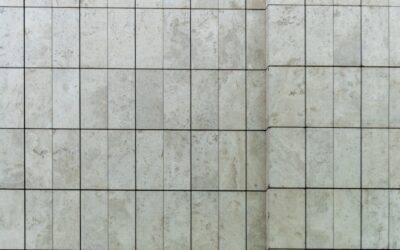
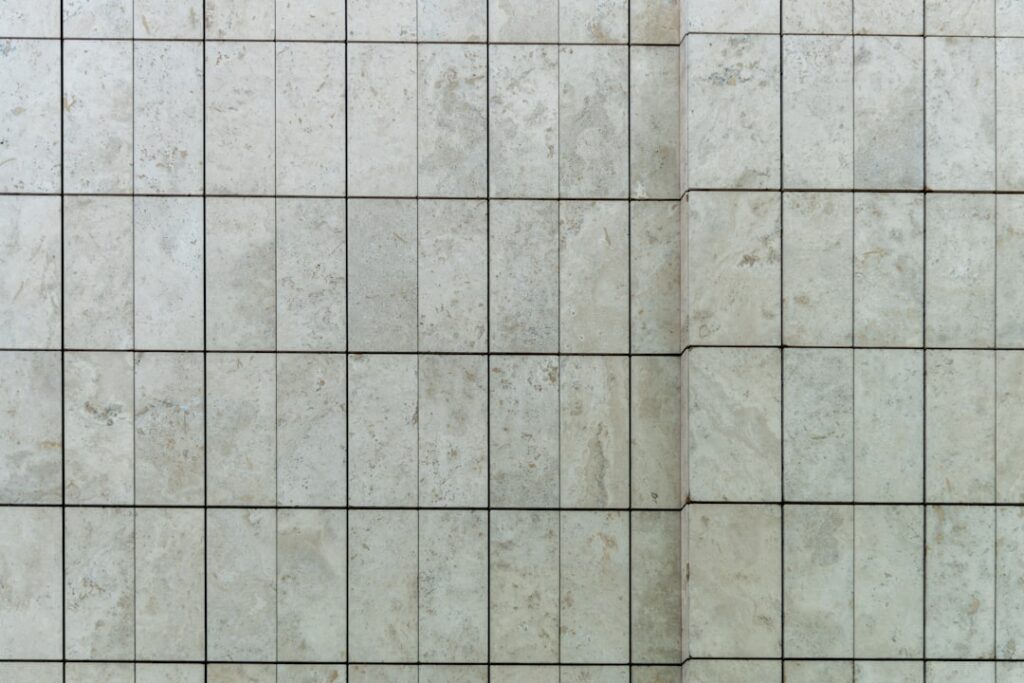
Travertine and limestone coping, paired with a stone-look waterline tile, gives a Mediterranean or naturalistic pool a cohesive look that ties the water feature to a stone patio or outdoor kitchen nearby. Natural stone waterline tile runs $12 to $30 per square foot, and it needs a penetrating sealer reapplied every 1 to 2 years to resist chlorine staining and efflorescence, the white mineral deposits that can bloom on porous stone exposed to constant moisture.
Pebble aggregate finishes for the pool floor itself, made from small river stones or glass pebble blends set in plaster, run $8 to $14 per square foot and pair naturally with a stone or porcelain waterline band, giving the whole pool a textured, natural-swimming-hole feel rather than a flat blue rectangle.
Bold Pattern and Color-Blocked Waterline Bands
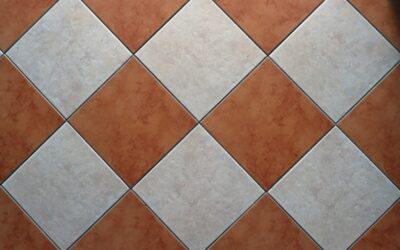
A waterline band doesn’t have to be a single solid color. Color-blocked designs — alternating navy and white tile in a repeating sequence, or a Greek key and geometric border pattern — turn a purely functional band into a real design statement, especially visible from a second-story window or a raised patio looking down into the pool. These patterns typically cost 10 to 20 percent more than a solid-color run due to the layout planning and additional cuts required to keep the pattern aligned around curves and steps.
Mosaic medallion accents, placed at the base of pool steps or centered on a sun shelf, are another popular focal detail — a compass rose, family monogram, or simple starburst pattern in glass tile, usually 2 to 4 feet across, adds a custom touch without tiling the entire pool floor.
Slip Resistance and Safety Considerations
Any tile used on pool decking, steps, or a sun shelf needs a slip-resistance rating appropriate for wet bare feet — look for a coefficient of friction (COF) of 0.6 or higher, and ask your supplier specifically for pool-rated or wet-area-rated tile rather than assuming standard glazed tile is safe underfoot. Textured porcelain and matte-finish stone both perform well here; highly polished glass or porcelain should be reserved for waterline bands above the step and splash zone, never for horizontal walking surfaces.
Planning Around Climate and Winterizing
Pools in regions that see freezing winters need extra scrutiny at the tile joint, since repeated freeze-thaw cycles are one of the leading causes of waterline tile popping loose after five to ten years. If you’re building or retiling in a climate with hard winters, specify a polymer-modified thinset rated for exterior freeze-thaw exposure, and confirm with your pool contractor that expansion joints are placed correctly around the pool coping to absorb seasonal shell movement.
Draining a pool fully for winter, common in colder states, exposes waterline tile to dry conditions it isn’t built for over an extended stretch; talk to your pool company about a partial winterizing approach that keeps the waterline band submerged if freeze damage has been a recurring issue in your area.
Matching Tile to Coping and Decking
The waterline tile rarely stands alone — it needs to coordinate with the pool coping (the cap stones or tile that edge the pool’s perimeter) and the surrounding deck material. Travertine coping paired with a stone-look waterline band creates a seamless, monochromatic look, while a crisp white porcelain coping against a navy glass waterline band creates more contrast and a modern nautical feel. Bring a sample of your coping and decking material when shopping for waterline tile, since matching undertones in person prevents a mismatch that only becomes obvious once installed.
Practical Tips for Choosing Pool Tile
- Confirm the tile and setting materials are rated for constant submersion — not all thinset and grout products are pool-safe.
- Use epoxy grout at the waterline; it resists chlorine and chemical staining far better than standard cementitious grout.
- Choose darker waterline colors, like navy or charcoal, to hide the scum line and mineral buildup that naturally forms at the water’s surface.
- Budget for a COF rating of at least 0.6 on any horizontal tiled surface around the pool, including steps and sun shelves.
- In freeze-thaw climates, confirm your tile and grout are rated for outdoor freeze exposure, not just water submersion.
Whichever swimming pool tile ideas you land on, remember that the waterline band and any decking tile face a harsher environment than almost any interior application — constant moisture, chemical exposure, and direct sun. Choose materials rated for that environment first, then layer in the color and pattern choices that make the pool feel custom, and you’ll get a look that still holds up a decade from now.
Prefer to explore on your own?
See how new flooring looks in your actual room in seconds — free, no signup.
Try the free Floor Studio →